How to Make Your Period End Faster: Real Answers
<p>Key Takeaways Whether you have a beach vacation planned, an important event coming up, or simply deal with long, uncomfortable periods every month, you’ve probably wondered how to make your period…
- Published
- Written by
- Women In Balance Team
- Reading time
- 9 minutes
Key Takeaways
- You cannot stop your period once it starts, but certain methods may help lighten flow and potentially shorten duration
- Hormonal birth control is the most medically proven method for managing period length and can be used to skip periods entirely
- Natural methods like hydration, exercise, and NSAIDs may help reduce flow but results vary by individual
Whether you have a beach vacation planned, an important event coming up, or simply deal with long, uncomfortable periods every month, you’ve probably wondered how to make your period end faster. You’re not alone, quite a few women deal with inconvenience, discomfort, and lifestyle interference every month.
The truth is, once your period starts, there’s no guaranteed way to stop it immediately. However, there are both medical and natural methods that may help lighten your flow and potentially shorten the duration of your period. Some methods require advance planning, while others can be tried once bleeding begins.
In this guide, we’ll explore evidence-based approaches for how to make period end faster, separating fact from fiction. From hormonal birth control to lifestyle changes, we’ll cover safe methods that actually work—and debunk common myths that could be harmful. Always consult with a healthcare provider before trying new methods, especially if you have underlying health conditions.
Can You Really Make Your Period End Faster?
Let’s be clear: once your period starts, you cannot stop it immediately. Menstruation is a natural bodily process controlled by hormones, particularly estrogen and progesterone. When pregnancy doesn’t occur, levels of these hormones drop, triggering your endometrium (uterine lining) to break down and exit through your vagina. There’s no “off switch” to halt this process mid-cycle.
A normal period typically lasts 2 to 7 days, with bleeding heaviest during the first two days. Most women lose about 20 to 90 milliliters (1 to 5 tablespoons) of blood during each period. The length depends on how much endometrial tissue needs to be shed and how efficiently your body expels it.
However, certain approaches may help lighten your flow and potentially shorten your period’s duration. These fall into two categories: methods that thin your uterine lining (reducing the amount of tissue to shed) and methods that speed up blood flow (helping your body expel menstrual blood more quickly). Results vary significantly by individual, and what works for one person may not work for another.
Medical Methods to Manage Period Length
The most reliable ways to shorten or skip your period involve medical interventions prescribed by healthcare providers. These methods require advance planning and ongoing use:
Hormonal Birth Control
Hormonal contraception is the most medically proven method for managing period length. Birth control options contain synthetic hormones that prevent ovulation and thin the uterine lining, resulting in lighter, shorter periods, or no periods at all.
Birth control pills: Taking combined oral contraceptives (containing both estrogen and progestin) continuously—skipping the placebo week—can eliminate periods altogether. This is safe and widely used.
Hormonal IUDs: Devices like Mirena release progestin directly into the uterus, significantly lightening periods. About 50% of users stop having periods within six months of insertion.
Progestin-only pills: Norethindrone and similar medications can delay periods when taken before menstruation begins. This requires prescription and planning.
Birth control implants and injections: Options like Nexplanon (implant) and Depo-Provera (injection) often result in lighter periods or amenorrhea (absence of periods) after several months of use.
Nonsteroidal Anti-Inflammatory Drugs (NSAIDs)
Ibuprofen (Advil, Motrin) and naproxen (Aleve) are NSAIDs that reduce production of prostaglandins—hormone-like substances that trigger uterine contractions and inflammation. Taking NSAIDs during your period may lighten flow by 20-30% and reduce cramps. Start taking them at the first sign of bleeding for best results. Always follow package directions and consult your doctor before long-term use, as NSAIDs can cause stomach irritation.
Tranexamic Acid
For women with heavy menstrual bleeding, doctors may prescribe tranexamic acid (TXA). This medication helps blood clot, reducing blood loss by up to 60%. While it makes periods lighter, it doesn’t necessarily shorten duration. TXA is available as tablets, injections, or liquid and requires a prescription.
How to Make Your Period End Faster Naturally
If you’re wondering how to make your period end faster naturally, several lifestyle approaches may help support your body during menstruation and potentially influence period duration. While less scientifically proven than medical methods, these natural options are generally safe:
Stay Hydrated
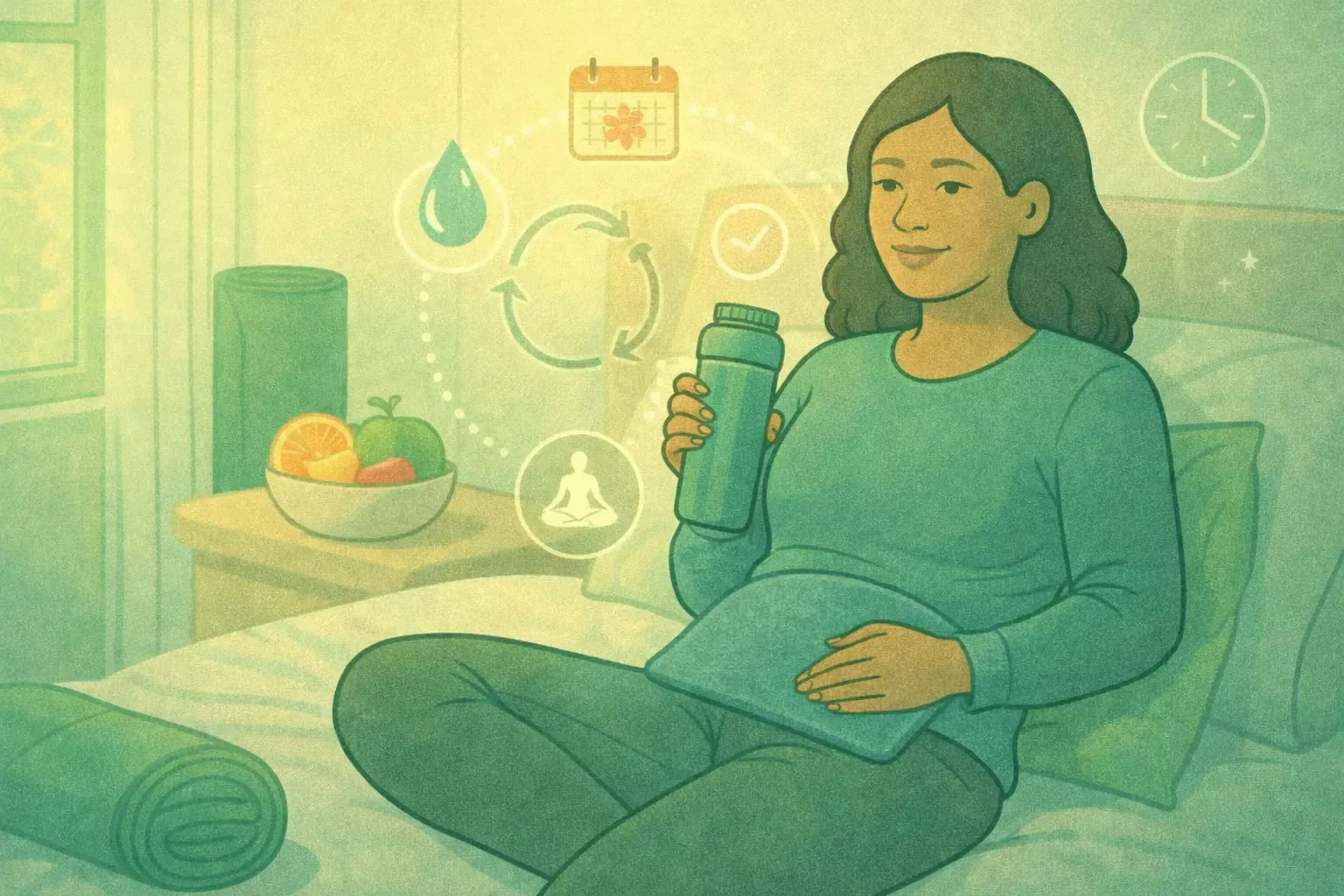
Drinking plenty of water is essential during your period. About 90% of menstrual blood is water, and dehydration can make blood thicker and more difficult to expel. A small 2021 study suggested a possible link between hydration and shorter periods, though more research is needed. Aim for 8-10 cups (2-2.5 liters) of water daily during menstruation. Staying hydrated also reduces bloating and may ease cramps.
Exercise Regularly
Moderate physical activity increases blood circulation and may help your body expel menstrual blood more efficiently. Exercise also releases endorphins, natural pain relievers that can ease cramps and improve mood. Gentle activities like walking, swimming, yoga, or light cardio work best. Stronger uterine muscles from regular exercise contract more effectively, potentially speeding up the menstrual process. However, avoid overexertion, which can worsen symptoms.
Orgasms and Sexual Activity
This might surprise you, but orgasms can help shorten your period. When you orgasm, your uterus contracts, which helps expel menstrual blood faster. These contractions also release endorphins that ease cramps. Whether through masturbation or partnered sex, orgasms provide both physical relief and potentially faster menstrual flow. If you’re comfortable with period sex, penetrative intercourse may further speed the process by helping dislodge more menstrual tissue.
Heat Therapy
Applying heat to your lower abdomen relaxes uterine muscles and improves blood flow. Use a heating pad, hot water bottle, or take a warm bath. You can also use a sauna during your period. Some women pair heat with other cramp-focused options, such as magnesium or CBD gummies, though evidence for cannabinoids in menstrual pain is still limited. While heat doesn’t directly shorten your period, it eases cramps and may help blood flow more freely, supporting your body’s natural menstrual process.
Maintain a Healthy Weight
Being overweight or obese can contribute to longer, heavier periods due to increased estrogen production from fat cells. This excess estrogen thickens the uterine lining, resulting in more tissue to shed. Gradual, healthy weight loss through balanced nutrition and regular exercise may help regulate periods over time. For women struggling with compulsive food cycles, collaborating with a professional binge eating coach is a critical first step to establishing consistency in their nutritional habits. This isn’t a quick fix for your current period, but can improve future cycles.
Vitamins and Supplements
Some vitamins and supplements may influence menstrual flow, though scientific evidence is limited:
Vitamin B6
Vitamin B6 may increase progesterone and decrease estrogen levels, potentially thinning the uterine lining. Found naturally in chicken, fish, eggs, and bananas, B6 supplements may help lighten periods. Limited studies show promising results, but more research is needed. Consult your doctor before taking supplements.
Vitamin C
Some believe vitamin C can shorten periods, though scientific evidence is lacking. Vitamin C supports overall health and may influence hormone levels, but there’s no conclusive proof it reduces period length. Eat vitamin C-rich foods like citrus fruits, strawberries, and bell peppers as part of a balanced diet.
Iron
Iron supplements don’t shorten your period, but they’re crucial if you experience heavy bleeding. Menstrual blood loss can lead to iron-deficiency anemia, causing fatigue and weakness. Eat iron-rich foods like leafy greens, lean meat, tofu, and lentils, or take supplements if recommended by your doctor.
Herbal Remedies
Various herbs are promoted for menstrual health, though scientific evidence supporting their effectiveness is limited:
Ginger
Research suggests that ginger may reduce heavy menstrual bleeding. Ginger has anti-inflammatory properties and may help regulate menstrual flow. Try ginger tea or add fresh ginger to meals during your period.
Raspberry Leaf Tea
Raspberry leaf tea is traditionally believed to tone and strengthen uterine muscles, potentially leading to more efficient contractions and shorter periods. While anecdotal evidence exists, scientific studies are limited.
Parsley and Fennel
Parsley tea is thought to stimulate uterine contractions as a natural emmenagogue. Fennel tea may relax uterine muscles and boost blood flow. Both lack strong scientific backing but are generally safe in moderation. Always consult your healthcare provider before using herbal remedies, especially if you have health conditions or take medications.
What Doesn’t Work: Myths to Avoid
The internet is full of myths about ending your period faster. Here’s what you should avoid:
- Drinking vinegar: No scientific evidence supports mixing apple cider vinegar with water to shorten periods. This myth is unproven and potentially harmful in large amounts
- Gelatin consumption: Despite social media claims, eating gelatin will not stop your period. This is a dangerous myth with no scientific basis
- Lemon juice: Drinking lemon juice or eating lemons won’t stop or shorten your period. This can actually irritate your stomach
- Tampons vs. pads: Using tampons instead of pads won’t make your period end faster. The choice of menstrual product doesn’t affect duration
- Unprescribed hormonal pills: Never take hormonal medications without medical supervision. This can cause serious health complications and disrupt your cycle
When to See a Doctor
While wanting to shorten your period is normal, certain symptoms require medical attention. Consult a healthcare provider if you experience: periods lasting longer than 7 days, extremely heavy bleeding (soaking through a pad or tampon every hour for several hours), severe pain that interferes with daily activities, irregular cycles with unpredictable timing, or bleeding between periods.
These symptoms may indicate underlying conditions like uterine fibroids, endometriosis, polycystic ovary syndrome (PCOS), or hormonal imbalances. Your doctor can perform tests, diagnose any issues, and recommend appropriate treatments. Don’t dismiss persistent menstrual problems as “just bad periods”, proper medical care can significantly improve your quality of life.
Planning Ahead: Preventing Your Period
If you have an important event coming up, advance planning offers better options than trying to stop your period once it starts. The most reliable method is using continuous hormonal birth control—taking active pills without a break to skip the placebo week and prevent withdrawal bleeding.
Discuss this with your healthcare provider at least 1-2 months in advance. They can prescribe norethindrone (a progestin) to delay your period or adjust your birth control schedule. This requires proper medical guidance to ensure safety and effectiveness. Never attempt to manipulate your cycle without professional advice.
Conclusion
While there’s no instant solution for how to make your period end faster once bleeding begins, several approaches may help lighten flow and potentially shorten duration. Hormonal birth control remains the most effective medically proven method for managing period length and can even eliminate periods entirely when used continuously.
Natural methods like staying hydrated, exercising regularly, and maintaining a healthy weight support your body’s menstrual process but offer less predictable results. Always prioritize safety and consult with a healthcare provider before trying new medications or supplements. Remember that periods are a natural part of reproductive health—if yours consistently cause significant disruption or discomfort, medical guidance can help you find appropriate solutions tailored to your individual needs.
Frequently Asked Questions
Can you stop your period once it starts?
No, there is no safe or proven way to stop your period immediately once bleeding has begun. Menstruation is controlled by hormones, and the shedding process cannot be halted mid-cycle. Methods claiming instant results are ineffective or dangerous.
Does drinking water make your period end faster?
A small 2021 study suggested a possible link between hydration and shorter periods, but more research is needed. While water won’t dramatically shorten your period, staying hydrated prevents blood from thickening, reduces bloating, and supports overall menstrual health. Aim for 8-10 cups daily during your period.
Is it safe to try to make your period end faster?
Yes, most methods discussed here are safe when used appropriately. Hormonal birth control and NSAIDs are medically approved. Natural approaches like hydration, exercise, and heat therapy are generally safe for healthy individuals. However, always consult a healthcare provider before starting hormonal medications or supplements, especially if you have underlying health conditions.
What foods can help make your period end faster?
No specific foods have been scientifically proven to shorten periods. However, foods rich in vitamin B6 (chicken, fish, eggs), ginger, and anti-inflammatory foods may support menstrual health. Avoid excessive consumption of foods that may increase bleeding, like beetroot and coffee. Focus on a balanced, nutritious diet overall.