How Women Can Overcome Trauma and Stress with Today’s Leading Therapies
<p>In today’s fast-paced world, women often find themselves balancing multiple responsibilities, career, family, relationships, and personal growth. While these roles can be fulfilling, they also…
- Published
- Written by
- Women In Balance Team
- Reading time
- 4 minutes
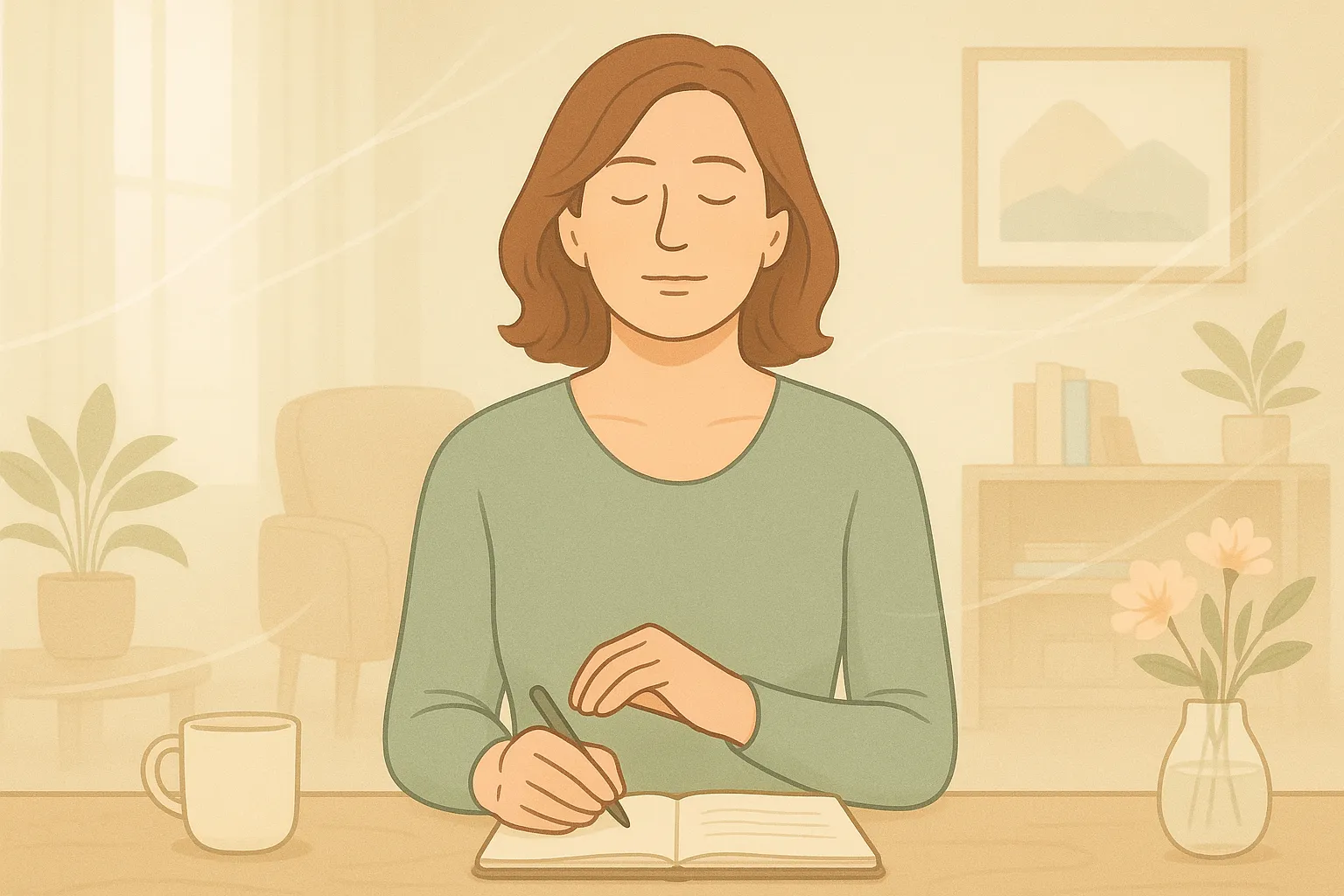
In today’s fast-paced world, women often find themselves balancing multiple responsibilities, career, family, relationships, and personal growth. While these roles can be fulfilling, they also bring significant challenges that may lead to chronic stress and, in some cases, deep-rooted trauma. The good news is that modern therapies provide effective ways for women to heal, manage stress, and regain emotional strength. This article explores some of today’s leading therapies, including traditional approaches, holistic practices, and specialized treatments like Eye Movement Desensitization and Reprocessing (EMDR) therapy.
Understanding Trauma and Stress in Women
Trauma and stress impact everyone, but research shows they often manifest differently in women. Women are more likely to internalize stress, leading to symptoms such as anxiety, depression, and fatigue. Past traumas, such as childhood experiences, abusive relationships, or significant life losses, can also resurface in adulthood, impacting confidence and emotional well-being.
Left unaddressed, trauma and prolonged stress may affect both mental and physical health, increasing the risk of chronic conditions like heart disease, digestive problems, and autoimmune disorders. Recognizing these early warning signs is key to taking the first step toward healing.
Cognitive Behavioral Therapy (CBT): Reframing Thoughts for Healing
Cognitive Behavioral Therapy (CBT) is one of the most widely used methods for treating trauma and stress-related disorders. The core idea behind CBT is that our thoughts directly influence our emotions and behaviors. By identifying and challenging negative thought patterns, women can learn to replace them with healthier, more constructive perspectives.
For example, a woman struggling with workplace anxiety may use CBT to reframe self-defeating beliefs such as “I am not good enough” into empowering statements like “I am capable and improving every day.” This practical, solution-oriented therapy is highly effective for conditions such as anxiety, depression, and post-traumatic stress.
Mindfulness and Meditation-Based Therapies
Mindfulness practices and meditation are increasingly recognized for their ability to reduce stress and improve mental clarity. By focusing on the present moment, women can break free from cycles of overthinking and reliving traumatic memories.
Simple techniques like deep breathing exercises, guided meditation, and body scans can calm the nervous system, lowering stress hormones and promoting relaxation. Over time, these practices also enhance self-awareness and emotional regulation, allowing women to respond to challenges with greater resilience.
Many women incorporate mindfulness into their daily routines, finding it not only reduces stress but also improves sleep quality and boosts overall well-being. Programs such as mindfulness-based stress reduction (MBSR) are also widely available and can provide structured guidance for beginners.
Eye Movement Desensitization and Reprocessing (EMDR) Therapy
Among the most innovative therapies for trauma recovery is Eye Movement Desensitization and Reprocessing (EMDR). This evidence-based treatment is specifically designed to help individuals process traumatic memories and reduce their lingering emotional impact.
During EMDR sessions, a therapist guides the patient through sets of bilateral eye movements while recalling distressing events. This process helps the brain reprocess traumatic experiences so they can be integrated into memory without triggering overwhelming emotional responses. Over time, the painful intensity of those memories lessens, allowing healing to take place.
EMDR therapy has been especially effective for women coping with post-traumatic stress disorder (PTSD), abuse recovery, or unresolved emotional pain. Many women report significant improvements in just a few sessions, making it a promising option for those seeking relief. If you’re exploring this form of therapy, you can visit West End Therapy for emdr therapy in Winnipeg to learn more about how it can help.
Group Therapy and Support Networks
Healing doesn’t always have to happen in isolation. Group therapy provides a supportive environment where women can share their stories, validate one another’s experiences, and work toward recovery together.
Participating in a support network helps women realize they are not alone in their struggles. These groups can reduce feelings of isolation, foster empathy, and offer practical coping strategies. Specialized support groups for trauma survivors, anxiety management, or stress relief are available both in person and online, making them accessible to women from all walks of life.
The encouragement and understanding found in group therapy can complement individual treatment, creating a more holistic approach to emotional healing.
Holistic and Lifestyle-Based Therapies
While traditional therapies are essential, holistic and lifestyle-based approaches also play a significant role in stress and trauma recovery. Practices like yoga, art therapy, journaling, and physical exercise allow women to express emotions, release tension, and build resilience.
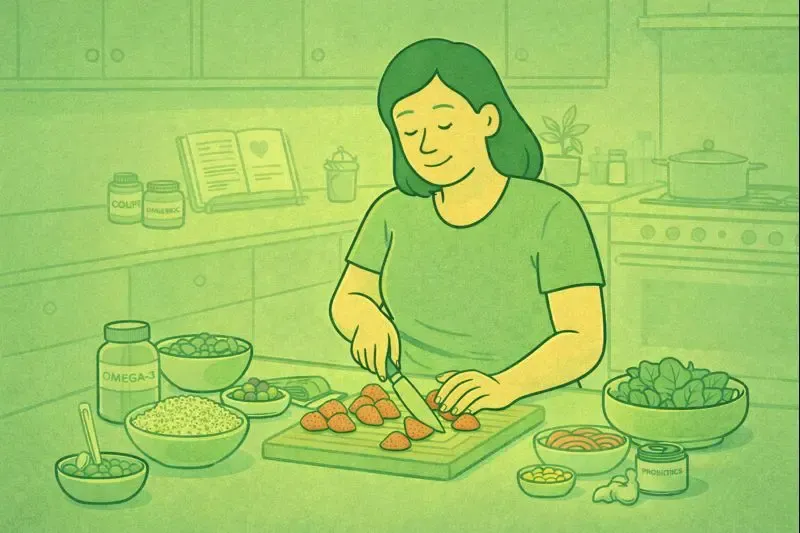
Nutrition and sleep hygiene are equally important, as poor diet and lack of rest can exacerbate stress symptoms. By making conscious lifestyle choices, such as engaging in regular exercise, eating nourishing meals, and setting aside time for creative outlets, women can support their overall mental health.
This whole-person approach emphasizes that recovery isn’t just about addressing past trauma but also about cultivating a sustainable lifestyle that promotes long-term wellness.
Choosing the Right Path to Healing
Trauma and stress can feel overwhelming, but women today have access to a wide variety of therapies that offer real hope and healing. From structured approaches like CBT to mindfulness practices, group therapy, and innovative treatments such as EMDR, there are many effective paths to recovery.
Every woman’s journey is unique, and what works for one may differ for another. That’s why it’s essential to explore different options, seek professional guidance, and choose therapies that align with personal needs and goals. With the right support and tools, women can move beyond trauma, manage stress, and embrace a healthier, more fulfilling life.