Managing High-Risk Pregnancies with Medical Director Oversight
<p>High-risk pregnancies are never simple. They call for constant attention, quick responses, and a steady hand guiding the care plan. That’s where a medical director comes in. Instead of focusing…
- Published
- Written by
- Women In Balance Team
- Reading time
- 4 minutes
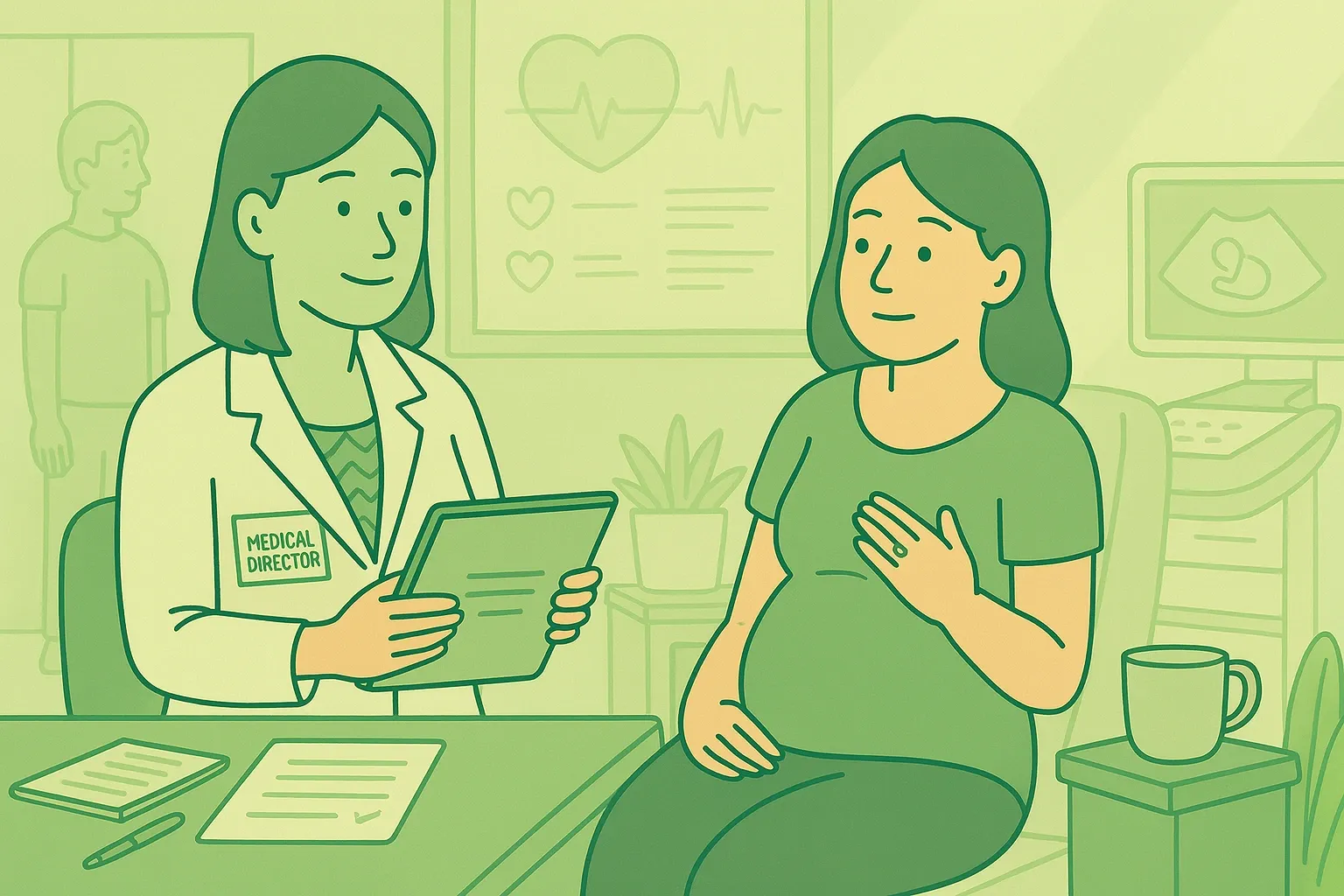
High-risk pregnancies are never simple. They call for constant attention, quick responses, and a steady hand guiding the care plan. That’s where a medical director comes in. Instead of focusing only on one patient at a time, their role stretches across the clinic—how the staff works together, how protocols are followed, and how families experience care. Partnering with a medical director company can add even more structure to this process, helping clinics keep care consistent and safe for both mothers and babies.
The Role of a Medical Director in High-Risk Pregnancy Care
Pregnancies are considered high-risk for many reasons: pre-existing medical conditions, age factors, carrying multiples, or complications in earlier pregnancies. Whatever the cause, these cases require not just clinical skill but strong oversight to make sure nothing slips through the cracks.
Clinical Oversight and Treatment Planning
Medical directors don’t just hand over a standard plan—they shape care around the mother’s health history and current risks. They work with obstetricians, nurses, and maternal-fetal specialists to put together detailed steps, then track progress along the way.
Fetal development, blood pressure, lab results—all of it gets monitored closely. If something shifts, the director makes sure the team reacts early rather than waiting until it’s urgent.
Risk Assessment and Preventive Strategies
Good oversight means staying ahead of problems. Directors review each patient’s background—past pregnancies, lifestyle habits, genetics—and map out potential risks before they show up.
From there, they set precautions in motion. That could mean extra ultrasounds, closer lab monitoring, or lifestyle adjustments. They also make sure the clinic is ready with clear emergency procedures, so if a crisis comes, everyone knows their role.
Coordination and Collaboration Across Care Teams
High-risk pregnancies often involve multiple specialists. Without coordination, it’s easy for advice to overlap or for key details to get lost. The medical director acts as the hub, making sure every voice is heard, but the final plan still feels unified.
Integrating Multidisciplinary Expertise
Obstetricians, anesthesiologists, neonatologists, and nurses all bring expertise, but they don’t always see the same picture. A director ties those pieces together, preventing duplicated tests or conflicting instructions. Families then experience care that feels connected, not scattered.
Managing Emergencies and Critical Situations
Complications like preeclampsia or sudden preterm labor require quick, confident action. In those moments, the medical director steadies the team—checking that emergency steps are followed, that equipment is ready, and that communication stays clear.
This leadership doesn’t just improve medical safety; it also keeps staff calm, which patients notice immediately.
Enhancing Patient Safety and Confidence
Families facing a high-risk pregnancy often feel anxious, and for good reason. A medical director’s presence helps build trust by showing that someone is watching every detail and guiding every choice.
Monitoring Medication and Procedures
Medication use in pregnancy requires extra caution. Directors review prescriptions for accuracy, check for possible interactions, and confirm dosing. They also oversee the use of scans, lab work, and monitoring devices to make sure results are read correctly. This keeps the focus on safety at all times.
Providing Assurance to Patients and Families
Beyond clinical work, medical directors spend time explaining options and risks to families. Having a clear explanation from a physician who oversees the whole process reassures patients that their care is both careful and accountable.
Outcomes and Benefits of Medical Director Oversight
The value of oversight shows up not just in fewer emergencies, but in stronger long-term results for both patients and clinics.
Improved Maternal and Fetal Outcomes
Research consistently shows that consistent oversight lowers premature births, reduces complications, and shortens NICU stays. Directors push clinics to stick with proven protocols and make timely decisions, which translates into safer pregnancies overall.
Long-Term Clinic Credibility and Reputation
When patients see organized systems and steady leadership, they build trust in the clinic. Over time, that trust strengthens reputation, helps recruit skilled staff, and allows clinics to expand into new services. Strong oversight doesn’t just improve outcomes—it positions the clinic as a leader in women’s health.
The Strategic Importance of Medical Directors in High-Risk Pregnancy Programs
Medical directors aren’t only about day-to-day care. They review data, evaluate patient feedback, and adjust systems to keep programs improving. That might mean introducing new technology, redesigning workflows, or adding training programs for staff.
This combination of medical expertise and administrative leadership keeps clinics ready for the future while ensuring patient safety remains the top priority.
Innovations in High-Risk Pregnancy Oversight
Modern oversight now leans on technology. Telehealth makes it easier to check in with patients remotely, while digital records help track medications, test results, and appointments in real time.
Medical directors make sure these tools are used responsibly—protecting privacy and ensuring accuracy. Many also encourage whole-person approaches, weaving in nutrition advice, mental health support, and lifestyle guidance alongside medical care.
Conclusion
Managing a high-risk pregnancy takes more than medical knowledge—it takes leadership, coordination, and foresight. Medical directors bring all three. They guide teams through complex decisions, monitor safety, and reassure families at every stage.
The result is better outcomes for mothers and babies, stronger trust with families, and greater stability for the clinic itself. For any clinic serving high-risk patients, medical director oversight isn’t a luxury. It’s essential for care that is consistent, safe, and patient-centered.