Menopause-Friendly Travel Ideas: A Practical Checklist for Sleep, Temperature, and Stress
Travel can be one of life’s most enriching experiences, but for women navigating menopause, it comes with unique challenges. Hot flashes, night sweats, fragmented sleep, and fluctuating stress levels…
- Published
- Written by
- Women In Balance Team
- Reading time
- 4 minutes
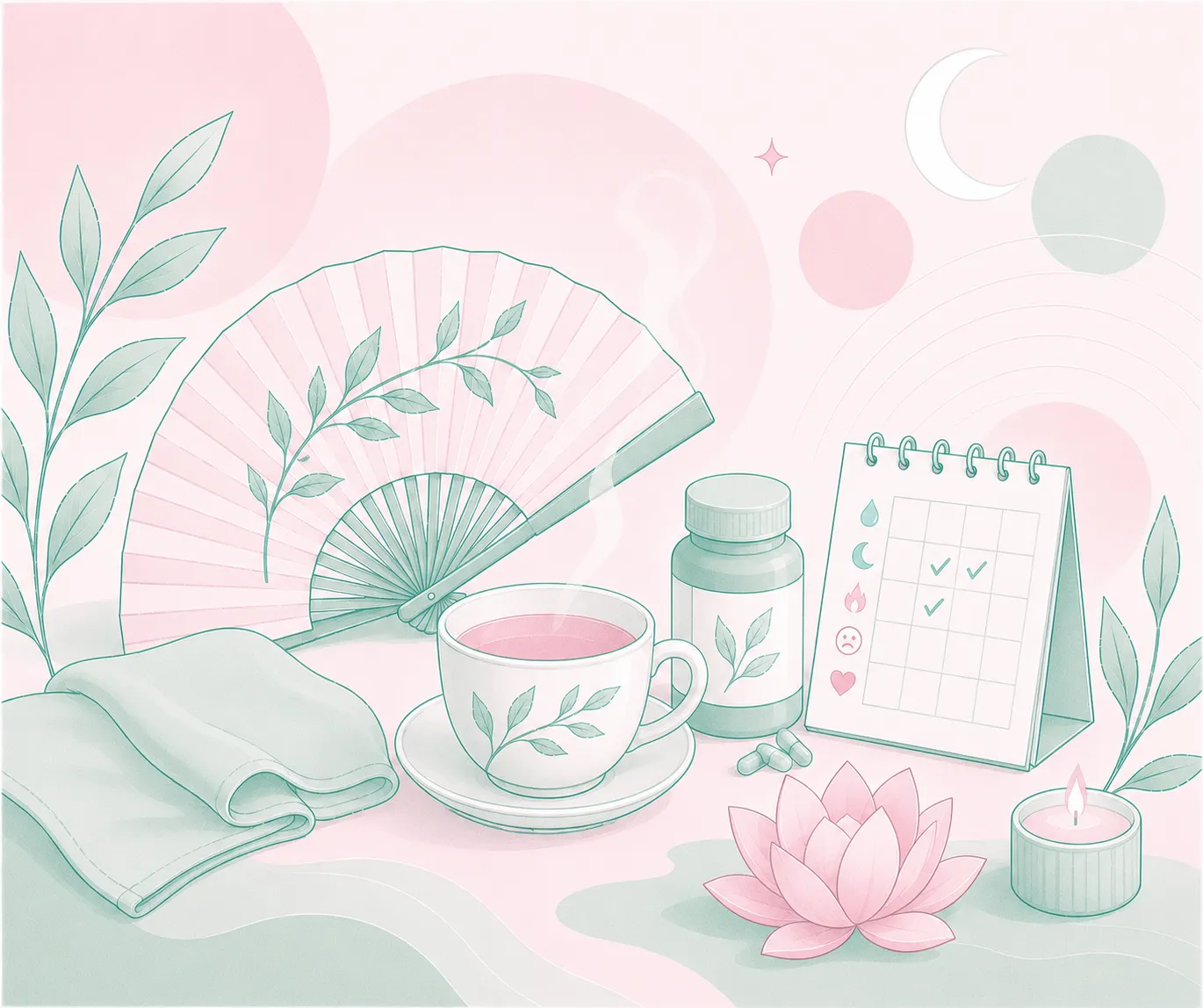
Travel can be one of life’s most enriching experiences, but for women navigating menopause, it comes with unique challenges. Hot flashes, night sweats, fragmented sleep, and fluctuating stress levels can make trips less relaxing than they should be. With thoughtful planning, though, it’s entirely possible to enjoy destinations without compromising comfort. Here’s a practical guide to menopause-friendly travel, with a focus on sleep, temperature, and stress management.
Sleep Strategies on the Go
Sleep quality can be fragile during menopause, and travel can amplify that vulnerability. Using a consistent routine and simple accommodations hacks helps protect rest:
- Keep your cabin cool: The NHS recommends a cool bedroom, cool showers, fans, and cold drinks to ease hot flashes and night sweats.
- Pack layers + a portable fan: ACOG suggests removable layers, battery-operated fans, and cold drinks for flexible temperature management.
- Avoid common triggers on cruise evenings: Spicy food, caffeine, alcohol, or hot drinks can interfere with sleep.
- Choose one “must-do” excursion per port: Leave time for a shower, quiet lounge, or short nap to recharge.
- Protect bedtime: Eye mask, earplugs, and maintaining the same wind-down routine nightly signal your body that it’s time to rest.
These strategies are easy to implement, whether you’re cruising or hotel-hopping, and they make a noticeable difference in energy levels and overall enjoyment.
Accommodation Choices Matter
Even outside cruises, choosing the right accommodation can improve your travel experience during menopause:
- Temperature control: Air-conditioning, fans, or rooms with openable windows are key.
- Comfortable bedding: A mattress that supports your preferred sleep position helps reduce tossing and turning.
- Quiet surroundings: Avoid rooms near elevators, bars, or busy streets.
All-inclusive resorts or multi-night stays in a single hotel provide similar benefits to a cruise: less packing and more consistency in your sleep environment.
European River Cruises: Stability Meets Scenic Adventure
One of the most menopause-friendly travel formats is a European river cruise. Why? Because you unpack once and maintain a consistent sleep environment, even as you explore new destinations. A Rhine river cruise is a perfect example: itineraries often connect charming cities like Amsterdam, Basel, and Strasbourg, mixing short port days with gentle scenic sailing.
For women experiencing menopause, this consistency is crucial. Night sweats, hot flashes, or sensitivity to environmental changes can make sleep difficult. By keeping the same cabin, bed, and bathroom setup each night, you reduce the number of variables that could disrupt rest. Essentially, your body “knows” its environment, making it easier to maintain a stable sleep routine while still enjoying new experiences every day.
Other Travel Options for Menopause-Friendly Comfort
While European river cruises offer a perfect combination of stability and exploration, other options work too:
- All-inclusive resorts (like Funchal, Madeira): Staying in one place reduces packing and sleep disruptions while supporting cooler nights and steady daily routines.
- Slow travel city breaks (like Copenhagen, Denmark): Multi-night stays in one hotel allow for consistent sleep routines, mild summer temperatures, and gentle pacing during sightseeing.
- Nature retreats or wellness lodges (like Ljubljana + Lake Bled, Slovenia, or Edinburgh, Scotland): Calm, temperate environments support rest, easy daily movement, and predictable evenings that help maintain sleep quality.
Packing with Menopause in Mind
Travel packing for menopause isn’t just about clothes—it’s about comfort and adaptability:
- Layered clothing: Prepare for temperature swings during city tours or outdoor excursions.
- Portable fan and cold drinks: Essential tools for on-the-go temperature control.
- Sleep aids: Travel-friendly eye masks, earplugs, or small pillows help recreate a consistent sleep environment.
- Hydrating snacks: Fresh fruit, yogurt, or nuts can prevent fatigue and maintain comfort throughout the day.
Small, thoughtful packing choices can prevent discomfort and help you stay energized for sightseeing.
Mind Your Diet and Triggers
Your body may react more strongly to certain foods and drinks during menopause. To reduce hot flashes and disrupted sleep:
- Limit spicy foods, caffeine, alcohol, and hot drinks, especially in the evening.
- Eat smaller, frequent meals to avoid digestive discomfort.
- Stay hydrated throughout the day to counteract fatigue and overheating.
Tracking what triggers symptoms can be especially helpful on longer trips.
Stress Management While Traveling
Even leisurely trips can be stressful. To protect your energy and mood:
- Plan gently: Select one “must-do” activity per day and leave space for downtime.
- Create a reset routine: Short walks, meditation, or a quiet lounge break can calm your nervous system.
- Prioritize downtime: Even a few minutes of peace in a hotel room, on a balcony, or in a park can help you recharge.
Balancing structure with flexibility ensures you enjoy your destination without feeling overwhelmed.
Final Thoughts
Menopause doesn’t have to limit travel. With thoughtful planning—especially regarding sleep, temperature, and stress—you can enjoy every experience with comfort and confidence. European river cruises exemplify menopause-friendly travel, offering the stability of a single cabin while still providing scenic adventure. Small changes, like layered clothing, portable fans, mindful food choices, and consistent bedtime routines, can make your trip smoother, more enjoyable, and rejuvenating.
By choosing travel formats and routines that align with your body’s needs, you can turn every trip into a restorative experience—proving that menopause and wanderlust can coexist beautifully.