Ovulation Pain and Pregnancy Success: What You Should Know
<p>Ovulation pain, or mittelschmerz, may signal a fertile window but does not guarantee pregnancy. It occurs when the ovary releases an egg, often felt as a sharp or dull ache on one side. While its…
- Published
- Written by
- Women In Balance Team
- Reading time
- 10 minutes
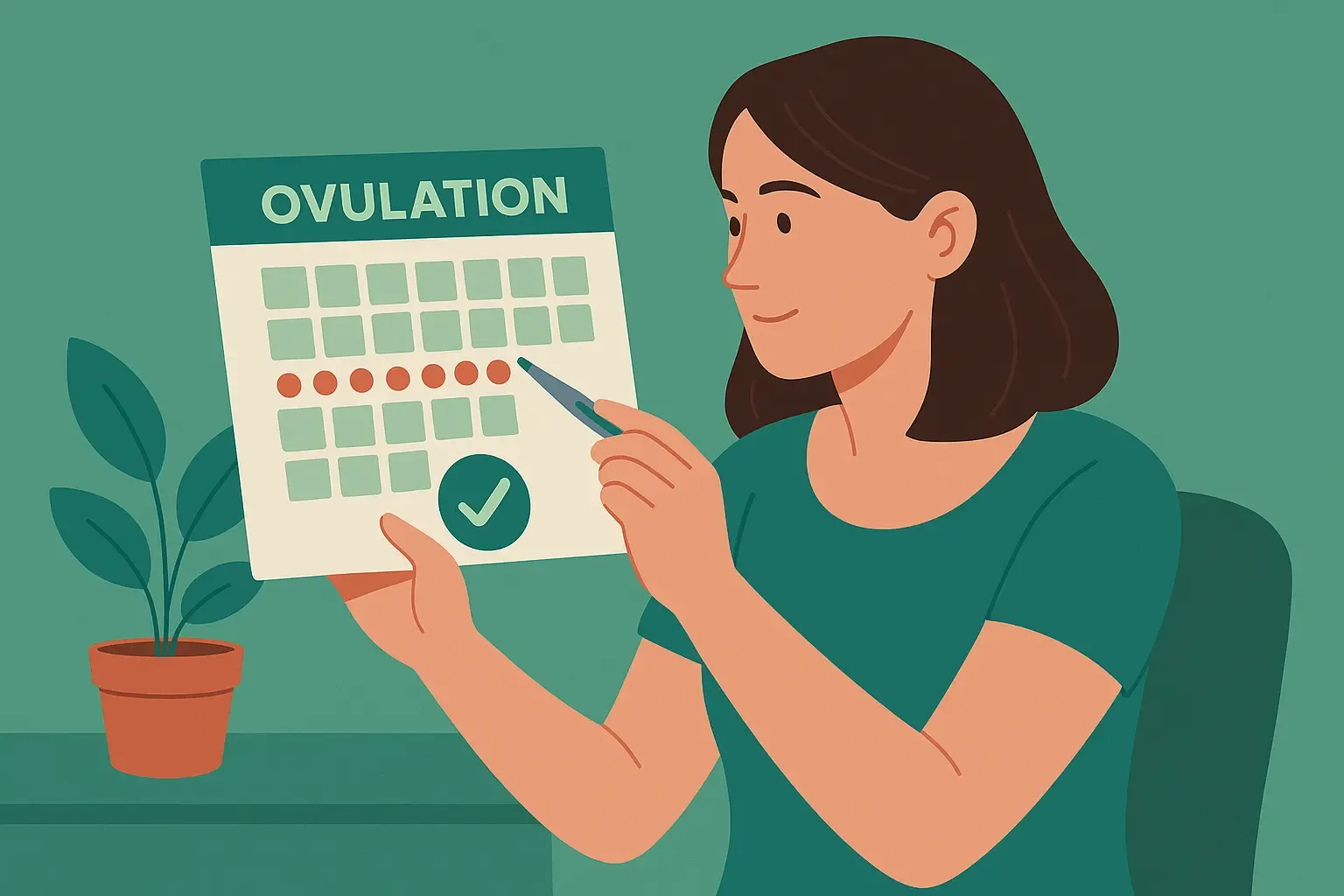
Ovulation pain, or mittelschmerz, may signal a fertile window but does not guarantee pregnancy. It occurs when the ovary releases an egg, often felt as a sharp or dull ache on one side. While its presence aligns with ovulation, pregnancy success depends on timing, egg quality, sperm health, and other factors.
Key Takeaways
- Ovulation pain can signal optimal timing for conception but doesn’t guarantee pregnancy success on its own
- Many women conceive without ever experiencing ovulation pain, making it just one of several fertility indicators to consider
- Timing intercourse around ovulation—with or without pain—remains the most important factor for maximizing pregnancy chances
If you’re trying to conceive, you’ve probably wondered about every possible sign your body gives you during your fertile window. Ovulation pain, that distinctive cramping or sharp sensation some women feel mid-cycle, often raises the question: does experiencing this pain mean better chances of getting pregnant? Understanding the relationship between ovulation pain and pregnancy success can help you make the most of your fertile days and set realistic expectations for your conception journey. Many women also consult specialists at fertility or gynecology clinics for guidance, where professional care and efficient ob/gyn billing services help ensure that patients receive proper consultation, diagnostic support, and smooth insurance processing during their reproductive health journey.
What Is Ovulation Pain?
Ovulation pain, medically known as mittelschmerz (German for “middle pain”), is a cramping or sharp pain that occurs around the time of ovulation. This discomfort typically happens mid-cycle, approximately 14 days before your next period in a standard 28-day cycle, though timing varies based on individual cycle length.
Common characteristics of ovulation pain:
- Location: Usually felt on one side of the lower abdomen or pelvis, alternating sides from month to month
- Duration: Ranges from a few minutes to several hours, occasionally lasting up to 2 days
- Intensity: Varies from mild cramping to sharp, stabbing sensations
- Timing: Occurs around the time of ovulation, often coinciding with peak fertility
Not all women experience ovulation pain. Studies suggest that only about 20-40% of women regularly feel this mid-cycle discomfort. The absence of ovulation pain doesn’t indicate any fertility problems—it simply means your body processes ovulation differently.
Types of ovulation pain:
- Pre-ovulation pain: Occurs as the follicle stretches before releasing the egg
- Ovulation pain: Happens during the actual release of the egg
- Post-ovulation pain: Results from fluid or blood irritating the abdominal lining after egg release
The pain typically affects the side where ovulation is occurring, which usually alternates between ovaries each month. However, some women may ovulate more frequently from one ovary than the other, leading to pain predominantly on one side.
Why Does Ovulation Pain Happen?
Understanding the physiological process behind ovulation pain helps explain why some women experience it while others don’t. The pain results from the natural mechanics of egg release and the hormonal changes that drive this process.
Primary causes of ovulation pain:
Follicle Growth and Stretching: As the dominant follicle grows larger in preparation for ovulation, it stretches the surface of the ovary. This stretching can cause discomfort or pressure sensations that some women perceive as pain.
Follicle Rupture: When the mature follicle releases the egg, it essentially “bursts” through the ovary wall. This rupture can cause a sharp, brief pain as the follicle breaks open.
Fluid and Blood Release: Along with the egg, the follicle releases fluid and sometimes a small amount of blood. This fluid can irritate the lining of the abdominal cavity (peritoneum), causing cramping or aching sensations.
Hormonal Fluctuations: The surge in luteinizing hormone (LH) that triggers ovulation can affect pain sensitivity and muscle contractions in the reproductive organs, potentially contributing to discomfort.
Individual Pain Sensitivity: Women have varying pain thresholds and sensitivities to internal sensations. What one woman perceives as noticeable pain, another might not feel at all.
The intensity and presence of ovulation pain can be influenced by factors such as stress levels, overall health, and even the size of the releasing follicle. Larger follicles may cause more noticeable stretching and subsequent pain when they rupture.
Is Ovulation Pain a Sign of Fertility?
Ovulation pain can serve as a helpful fertility indicator, but it’s important to understand its limitations. While the pain often coincides with your most fertile time, it’s not a guarantee of fertility or optimal egg quality.
What ovulation pain can tell you:
- Timing confirmation: Pain often occurs within 24 hours of ovulation, helping you identify your fertile window
- Ovulation occurrence: The presence of pain suggests that ovulation is likely happening
- Side indication: Pain location can tell you which ovary is releasing an egg that cycle
What ovulation pain cannot tell you:
- Egg quality: Pain intensity doesn’t correlate with egg health or viability
- Fertilization success: Feeling pain doesn’t mean the egg will be fertilized
- Pregnancy guarantee: Many factors beyond ovulation timing affect conception success
Research suggests that ovulation pain typically occurs close to the actual moment of egg release, making it a relatively accurate timing indicator. However, sperm can survive in the reproductive tract for up to 5 days, meaning conception can occur from intercourse several days before ovulation pain appears.
Other fertility signs to track alongside ovulation pain:
- Cervical mucus changes: Clear, stretchy mucus indicates peak fertility
- Basal body temperature: Temperature rises after ovulation
- LH surge: Detected through ovulation predictor kits
- Cervical position: Becomes higher, softer, and more open during fertility
Combining multiple fertility indicators provides a more complete picture of your fertile window than relying on ovulation pain alone.
Can Ovulation Pain Predict Pregnancy Success?
The direct relationship between ovulation pain and pregnancy success is more complex than many people assume. While ovulation pain can help with timing, it doesn’t predict whether conception will occur or result in a successful pregnancy.
Why ovulation pain alone cannot predict pregnancy success:
Timing vs. Guarantee: Ovulation pain indicates optimal timing for intercourse, but conception depends on numerous factors including sperm quality, egg quality, fallopian tube function, and implantation success.
Variable Accuracy: The pain doesn’t always coincide perfectly with egg release. Some women feel pain before ovulation, others during or after, making precise timing challenging.
Individual Differences: Pain intensity and presence vary significantly between women and even between cycles for the same woman, making it an unreliable standalone predictor.
Multiple Factors Involved: Successful pregnancy requires healthy sperm meeting a healthy egg, successful fertilization, proper embryo development, and successful implantation—processes that ovulation pain cannot influence or predict.
Research insights:
Studies examining the relationship between ovulation pain and pregnancy rates show mixed results. While some research suggests that women who experience ovulation pain may have slightly higher pregnancy rates, this correlation likely relates to improved timing rather than the pain itself being predictive of success.
What increases pregnancy success during ovulation:
- Regular intercourse: Having intercourse every 1-2 days during the fertile window
- Healthy lifestyle: Maintaining good nutrition, exercise, and stress management
- Optimal timing: Understanding your personal ovulation patterns
- Medical health: Addressing any underlying fertility issues
It’s crucial to understand that many women who never experience ovulation pain conceive easily and successfully. The absence of pain doesn’t indicate fertility problems or reduced pregnancy chances.
Tips to Boost Pregnancy Success During Ovulation
Whether or not you experience ovulation pain, you can take several steps to optimize your chances of conception during your fertile window.
Timing and Tracking Strategies
Track Multiple Fertility Signs:
- Monitor cervical mucus changes throughout your cycle
- Use ovulation predictor kits to detect LH surges
- Track basal body temperature for ovulation confirmation
- Note any ovulation pain patterns
Optimal Intercourse Timing:
- Have intercourse every 1-2 days during your fertile window
- Don’t wait for ovulation pain—start intercourse a few days before expected ovulation
- Continue for 1-2 days after ovulation signs appear
Cycle Awareness:
- Learn your average cycle length and ovulation timing
- Use fertility apps or charts to identify patterns
- Remember that ovulation can vary by a few days each cycle
Lifestyle Optimization
Nutritional Support:
- Take folic acid supplements (400-800 mcg daily)
- Maintain a balanced diet rich in antioxidants
- Stay adequately hydrated
- Limit caffeine and alcohol consumption
Stress Management:
High stress levels can affect ovulation timing and cortisol levels, potentially impacting fertility. Incorporate stress-reduction techniques like meditation, yoga, or regular exercise.
Health Habits:
- Avoid cigarettes, which can significantly impact fertility
- Maintain a healthy weight
- Get adequate sleep (7-9 hours nightly)
- Exercise regularly but avoid excessive training
Natural Support:
Some women find benefit from fertility-supporting herbs like maca, though you should consult with a healthcare provider before starting any supplements.
When to Seek Professional Help
Consider consulting a healthcare provider if:
- You’ve been trying to conceive for 12 months (or 6 months if over 35)
- Your cycles are very irregular or absent
- You have severe ovulation pain or other concerning symptoms
- You have known risk factors for fertility issues
If you’re uncertain about your symptoms or need guidance on your fertility journey, consulting an OB-GYN can provide clarity. An experienced obgyn can evaluate your reproductive health, help identify any underlying conditions, and guide you through personalized fertility planning tailored to your specific needs.
When to See a Doctor About Ovulation Pain
While ovulation pain is generally normal, certain symptoms warrant medical attention to rule out underlying conditions that could affect fertility.
Concerning Symptoms
Severe Pain:
- Pain that interferes with daily activities
- Sharp, stabbing pain that doesn’t resolve within a few hours
- Pain requiring prescription pain medication
- Progressively worsening pain over several cycles
Associated Symptoms:
- Fever accompanying ovulation pain
- Heavy bleeding between periods
- Nausea or vomiting with ovulation pain
- Pain during intercourse
Cycle Irregularities:
- Very short cycles (less than 21 days)
- Very long cycles (more than 35 days)
- Absence of periods for several months
- Significant changes in cycle patterns
Potential Underlying Conditions
Ovarian Cysts:
Large or ruptured cysts can cause severe pain that might be mistaken for normal ovulation discomfort.
Endometriosis:
This condition can cause cyclical pain that may intensify around ovulation time.
Pelvic Inflammatory Disease (PID):
Infections can cause persistent pelvic pain and affect fertility.
Hormone Imbalance:
Various hormonal conditions can affect ovulation and cause unusual pain patterns.
Preparing for Medical Consultation
When discussing ovulation pain with your healthcare provider:
- Track pain patterns for several cycles
- Note pain intensity, duration, and associated symptoms
- Bring information about your menstrual cycle regularity
- Discuss any fertility concerns or conception timeline
Remember that seeking medical evaluation doesn’t mean something is wrong—it’s a proactive step toward understanding your reproductive health and optimizing your fertility.
For women approaching their late 30s or 40s, changes in ovulation pain patterns might signal the beginning of perimenopause, which can affect fertility timing.
Conclusion
Understanding the relationship between ovulation pain and pregnancy success empowers you to make informed decisions about your conception journey. While ovulation pain can be a helpful timing indicator, it’s neither necessary for fertility nor a guarantee of pregnancy success. Many women conceive easily without ever experiencing this mid-cycle discomfort.
The key to maximizing your pregnancy chances lies in understanding your individual cycle patterns, timing intercourse appropriately during your fertile window, and maintaining overall reproductive health. Whether you experience ovulation pain or not, focusing on multiple fertility indicators provides the most comprehensive approach to conception.
Start tracking your cycle today using a combination of methods—ovulation pain (if you experience it), cervical mucus changes, and ovulation predictor kits. This multi-faceted approach will help you identify your most fertile days and optimize your timing for conception success.
Remember that every woman’s fertility journey is unique. What works for others may need adjustment for your specific situation, and patience is often an essential part of the process. If you have concerns about your fertility or ovulation patterns, don’t hesitate to consult with a healthcare provider who can offer personalized guidance for your situation.
Frequently Asked Questions
Is it normal to have no ovulation pain at all?
Yes, it’s completely normal to never experience ovulation pain. The majority of women (60-80%) don’t regularly feel ovulation pain, and this has no bearing on their fertility or ability to conceive. Ovulation pain is simply one possible sign of ovulation, not a requirement for healthy reproductive function. Many women who never experience ovulation pain conceive easily and have successful pregnancies. If you don’t feel ovulation pain, you can still track your fertile window using other reliable methods such as cervical mucus changes, basal body temperature tracking, or ovulation predictor kits. The absence of ovulation pain doesn’t indicate any fertility problems or suggest that you’re not ovulating regularly.
Can ovulation pain feel like period cramps?
Ovulation pain can sometimes feel similar to menstrual cramps, but there are typically distinguishing characteristics. Ovulation pain usually occurs on one side of the abdomen (alternating sides month to month), while period cramps are generally felt across the entire lower abdomen and back. Ovulation pain tends to be shorter in duration (minutes to hours, occasionally up to 2 days) compared to menstrual cramps that typically last several days. The timing is also different—ovulation pain occurs mid-cycle around day 14, while period cramps happen at the beginning of menstruation. However, the sensation can vary significantly between women. Some describe ovulation pain as sharp and stabbing, others as a dull ache, and some as cramping similar to period pain. If you’re unsure whether pain is related to ovulation or another cause, tracking the timing, location, and characteristics over several cycles can help you identify patterns.