Reclaiming Strength: Physical Therapy for Women Over 40
<p>When I was young, none of my friends would be caught dead lifting weights or training to build muscle. God forbid you would bulk up and lose your “lean, feminine shape!” Thankfully, things have…
- Published
- Written by
- Women In Balance Team
- Reading time
- 4 minutes
When I was young, none of my friends would be caught dead lifting weights or training to build muscle. God forbid you would bulk up and lose your “lean, feminine shape!”
Thankfully, things have changed. Today, plenty of women influencers encourage strength training, but the message still leans toward looking lean. You can have toned arms, but your abs better stay flat. And heaven forbid you build too much muscle.
The sad part is that science says everything else entirely. Research shows that women over 30 lose about 3–5% of their muscle mass every decade. After 40, that decline speeds up, and by 60, it can seriously limit mobility and strength.
Muscle isn’t just about looks. It’s what keeps you moving, protects your bones, and supports aging joints. The best part? You can rebuild strength at any age. All it takes is a start and some consistency.
So, What’s Physical Therapy Got to Do With Muscle Building?
More than most people realize. If you’ve ever torn a ligament or pulled a muscle, you may have gone to physical therapy for recovery. But you can also see a physical therapist when you want to understand how to build strength, especially at an age when bone density begins to decline and joints feel stiffer by the day.
According to the team at Bushnell Physical Therapy, a good physical therapist looks at how your body moves as a system. They identify weak spots, tight areas, and movement patterns that could lead to pain or mobility loss down the road. They can also teach you how to activate and strengthen specific muscle groups without putting too much strain on your joints.
Here’s when it makes sense to go to physical therapy (PT) for building strength:
Targeted Strength Training
You’re not 25 years old anymore, so you shouldn’t just step into a gym and pick up the heaviest dumbbells you can find.
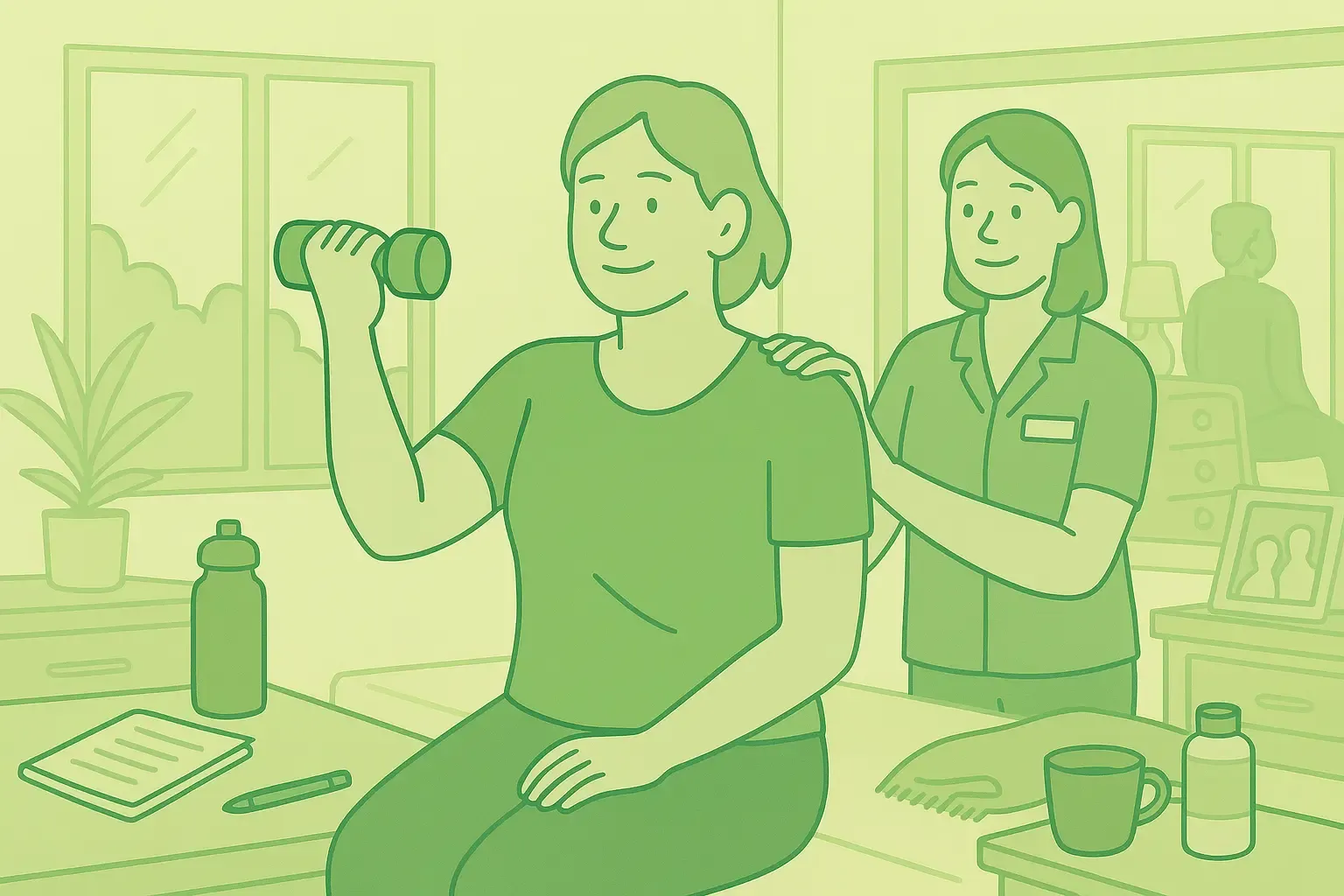
Ask your PT to design a strength program that fits your current ability level and gradually increases resistance to rebuild muscle mass without the risk of breaking something in the process.
They’ll also teach you about better posture, core engagement, and proper muscle activation so your strength gains stick.
Improved Balance and Stability
When you start losing muscle, balance naturally declines. This is also exacerbated by a sedentary lifestyle that mostly involves sitting in front of a screen for over half a day. As you age, this can lead to nasty falls and chronic pain that compromise your mobility.
PTs can teach you specific exercises that strengthen stabilizing muscles (hips, glutes, and core), which reduces the risk of falls and keeps everyday movement confident and controlled.
Workouts in Tune with Hormonal Changes
Getting closer to perimenopause and menopause can trigger wild estrogen fluctuations that leave you feeling exhausted and frail. Physical therapists understand this and can tailor workouts to support joint health, flexibility, and endurance, all while avoiding overtraining.
They also help keep up the motivation for training, especially when nothing could convince you to get out of bed. Having a professional guide who tracks progress, celebrates wins, and adapts your plan keeps you consistent, which is the biggest secret to real, lasting strength.
Reclaim Your Strength with Nutrition
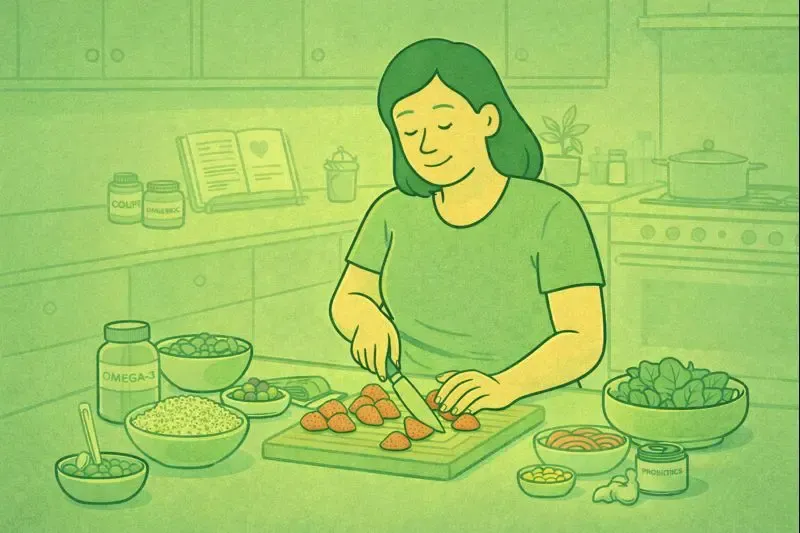
Good nutrition is your strategic tool for muscle preservation, hormone balance, and recovery.
Start by focusing on your protein intake (it’s the molecule that makes muscles). Women over 40 need 1.2 to 1.6 grams of protein per kilogram of body weight daily just to preserve muscle mass. Aim for a quality protein source at every meal, such as eggs, Greek yogurt, tofu, fish, chicken, or lentils.
Extra tip: For optimal results, spread your protein intake across all the meals of the day.
Next, don’t be afraid of fats and complex carbs. If you’re in your 40s now, you most likely grew up and matured during a period when these two were vilified, but it turns out, they’re quite healthy in moderation.
Fats are the raw material for hormone production, including estrogen, which helps maintain muscle and bone. Enjoy healthy ones, from avocados, nuts, seeds, olive oil, and fatty fish like salmon (known to support hormone balance and keep inflammation low).
Meanwhile, carbs fuel your workouts and recovery. Choose complex ones (quinoa, oats, sweet potatoes, legumes) because they release energy slowly and keep blood sugar steady. That stability matters for hormone regulation and consistent energy, especially if you’re strength training.
You also want strong bones, so include calcium-rich foods like dairy, leafy greens, and fortified plant milks, along with vitamin D (from sunlight or supplements) to help your body absorb calcium properly. Magnesium (found in almonds, pumpkin seeds, and dark chocolate) also helps.
Lastly, ditch the diet mentality. As long as you don’t overeat, maintain a slight caloric deficit, and train for muscle mass, you should have no issues with gaining weight.
Wrap Up
I know you’re a strong woman on the inside. Now it’s time to let your strength show on the outside. Find a good physical therapist and work with them on a program that will put you in control of your movements for the second half of your life.