Simple Tips for Managing Your Hormones After Giving Birth
<p>Having a baby causes your hormones to fluctuate wildly as your body adjusts to these significant changes. You can experience intense mood swings, digestive issues, fatigue, and more. These…
- Published
- Written by
- Women In Balance Team
- Reading time
- 4 minutes
Having a baby causes your hormones to fluctuate wildly as your body adjusts to these significant changes. You can experience intense mood swings, digestive issues, fatigue, and more. These hormones are not only tricky to deal with, but they can majorly disrupt your life once you take your baby home. Pregnancy hormones and hormonal imbalances can take a few months to dissipate, but your lifestyle largely dictates how quickly you can return to feeling normal.
Ensure Proper Nutrition
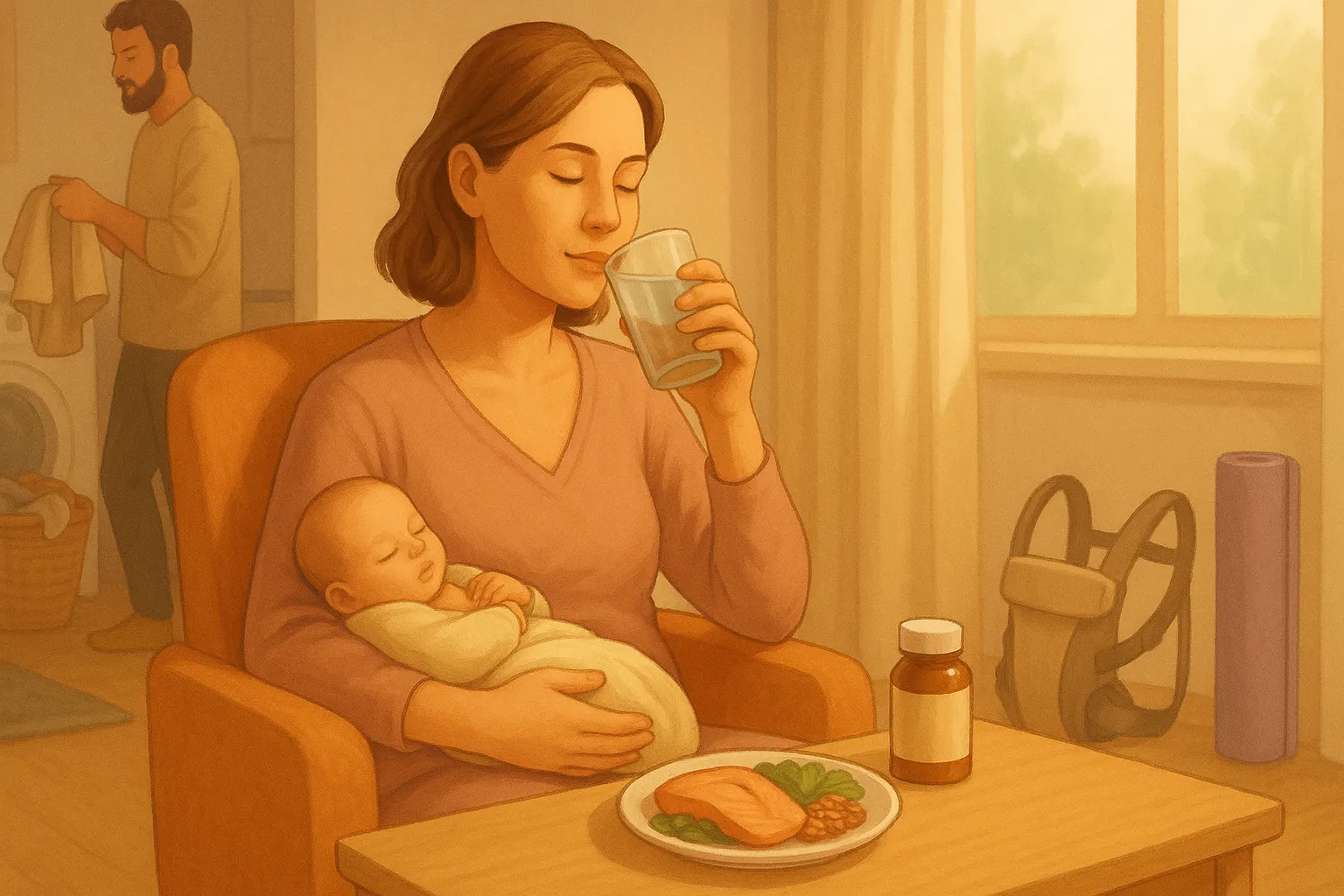
Pregnancy and birth are both very labor-intensive for the body. To help you and your hormones recover quickly, it’s essential to ensure you’re eating a balanced diet and getting sufficient nutrition. Certain foods can help maintain a healthy hormonal balance after giving birth. Proteins help give your body the energy it needs for daily life, especially when adding a new baby to the mix. Electrolyte balances can help boost hormone production and ensure they’re functioning properly. Healthy fats like nuts, plant oils, and fatty fish keep your blood sugar regulated and help you easily digest and process any supplements you may be taking. Fiber and iron also play a significant role in healthy and balanced hormone production, which can be found in foods such as poultry, seafood, dark leafy greens, and whole grains. Try to avoid overly processed foods with simple carbohydrates, as they can contribute to high blood sugar levels, which can affect your hormonal balance. Consult with your doctor about postnatal vitamins, as they can be beneficial for individuals who require additional nutrients.
Stay Hydrated
Dehydration can disrupt a healthy hormonal balance. It can increase stress and inhibit hormone production, resulting in poor moods and reduced energy levels. Drinking water and staying hydrated provide your body with electrolytes to help maintain healthy hormone levels. Hydration also helps manage cortisol levels in your body, reducing stress and fatigue.
Keep Stress Low (As Possible)
While it may be difficult to completely reduce stress as you’re adjusting to parenting your new child, you’ll want to avoid anything that unnecessarily makes you anxious as much as possible. Stress is an enemy to hormonal balance. Excessive stress spikes hormones like cortisol and adrenaline, which can throw off your natural hormone balance and cause symptoms like panic attacks, fatigue, and more. Practice deep breathing exercises to help manage daily stress and prevent it from significantly affecting you. Share the childcare workload to help you rest and recover regularly. Talk to your OBGYN if your hormones or daily routine is causing unmanageable anxiety. If you already have an anxiety disorder, you’ll want to consult with your doctor or mental health professional to help manage it.
Exercise Gently
Exercise is one of the best ways to help your body balance hormones. It provides your body with an outlet for the heavy emotions and stress you may be experiencing, including reducing the stress hormone cortisol. When you exercise, blood flow increases throughout your body, helping to regulate your blood sugar and insulin levels more effectively and making your metabolism more efficient. Strength training can help you maintain a healthy balance of testosterone; excess can contribute to mood swings, heart palpitations, and body hair growth. You may be tired from labor, but light exercise can work wonderfully. A short walk, yoga session, or light strength training session can help you physically and mentally.
Maintain Routine Medical Check-Ups
After leaving the hospital, you’ll be busy taking care of your baby, managing family life, and getting your daily routine somewhat normal. It can be easy to postpone your routine postpartum healthcare check-ups, but you’ll want to avoid this. Keep your medical appointments to ensure there aren’t any issues concerning your hormones. Conditions like postpartum depression can make daily activities, including childcare, extremely difficult. Keeping your healthcare appointments can help you stay on track with your recovery. Your doctor can test your blood in the office or at home to ensure your hormone levels are within normal range. You’ll want to ensure your baby also keeps their routine healthcare checkups for optimal health. If you’re having trouble finding time to leave the house, you can even arrange for adult or pediatric phlebotomy services at your home to make tasks like testing easier.
Sleep Well
It may seem like it’s impossible to get a decent night’s sleep when you’ve got a baby at home, but you’ll want to try to make up for poor sleep whenever possible. Nap at the same time your baby does, if necessary. Alternate who is responsible for getting up in the night with the baby, so everyone can take turns getting uninterrupted sleep. Sleeping can help balance hormones such as cortisol, estrogen, progesterone, and melatonin, making you feel more relaxed at rest and more energetic upon waking.
Share the Childcare
It’s essential, especially immediately after bringing the baby home, to share the childcare responsibilities with friends, family, partners, or babysitters. When you’re recovering from labor, trying to balance your hormones, and adjusting to this major life change, you will want as much help as you can. “It takes a village” to raise a child, and there are many options available for a wide variety of lifestyles and family sizes. Having too much work and childcare responsibilities without help can disrupt a healthy hormonal balance and unnecessarily increase stress.
Conclusion
Pregnancy, childbirth, and adjusting to life afterwards can significantly disrupt your body’s hormonal balance. Hormones are responsible for numerous vital bodily functions and systems, including mood regulation, metabolism, energy levels, and immune function, among others. Your body should return to your normal hormonal balance within three to six months of giving birth, but excessive stress or poor nutrition can significantly delay or even worsen your body’s hormone regulation. By managing stress, eating a balanced diet, getting enough sleep, and sharing the workload, you can ensure optimal health and happiness for you and your family.