The Burnout Buffer: Wellness Habits for a Healthier Exam Season
<p>The weeks before a major exam can compress your day. Meals get later, sleep gets shorter, and your brain carries a steady buzz. Smart prep helps only if your body can show up for it. If your study…
- Published
- Written by
- Women In Balance Team
- Reading time
- 5 minutes
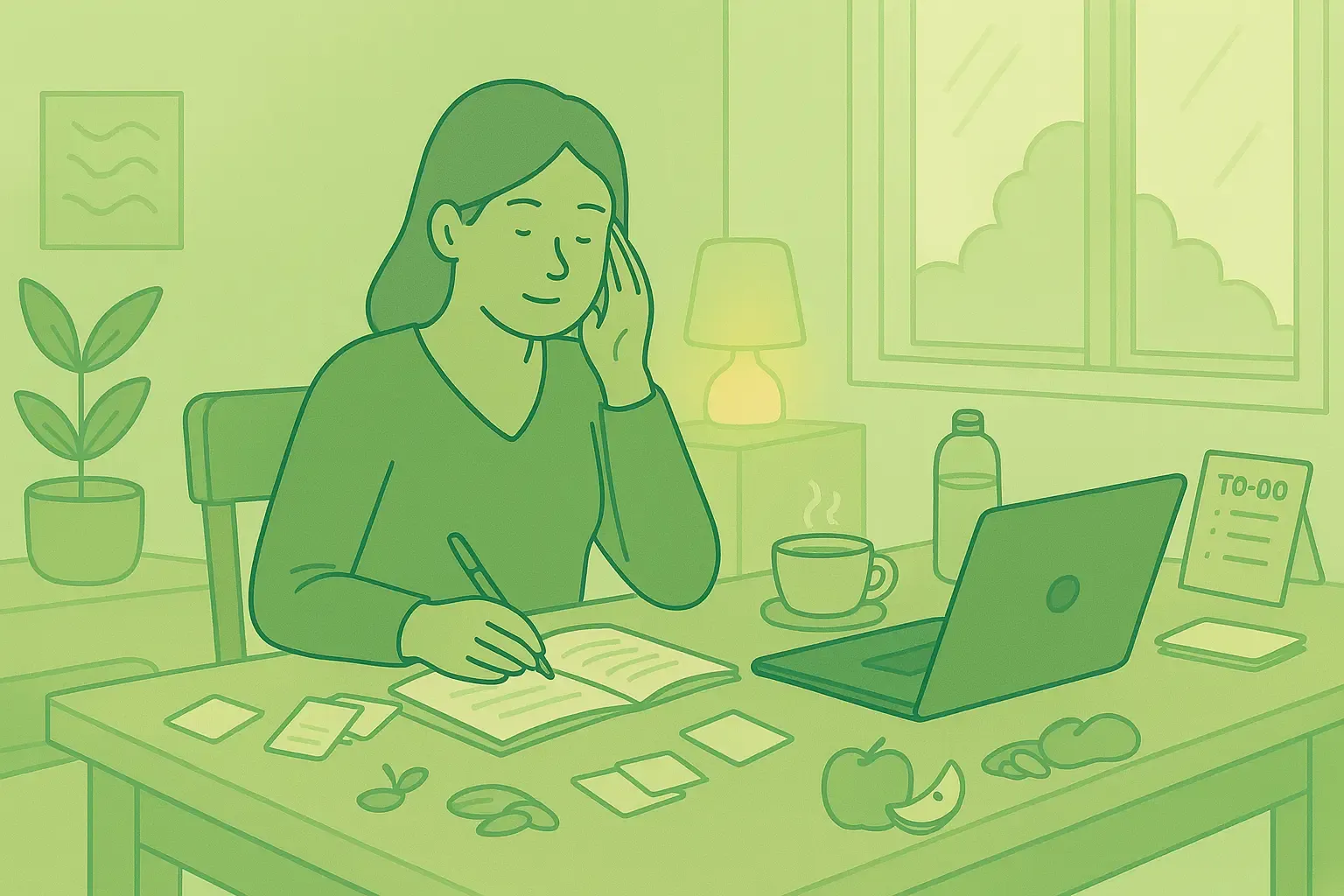
The weeks before a major exam can compress your day. Meals get later, sleep gets shorter, and your brain carries a steady buzz.
Smart prep helps only if your body can show up for it. If your study plan includes structured review and a clear method for working through BCBA exam practice questions, pair it with habits that steady mood, sleep, and focus. This mix reduces stress spikes and keeps your recall sharp during long testing blocks.
Stabilize Sleep, Food, and Light
Start with a fixed wake time. Keep it the same, even on rest days. A steady wake time anchors your body clock better than chasing a perfect bedtime. Aim for seven to nine hours and protect the last hour before bed from heavy meals, alcohol, and bright screens.
Get morning light on your eyes within an hour of waking. Natural light sets your clock for alert mornings and sleepier nights. If you work early or wake before sunrise, use indoor light, then step outside when you can. Cut caffeine eight hours before bedtime so it does not crowd out deep sleep. A simple rule is coffee before lunch, water and herbal tea after.
Feed your brain evenly. Front load protein and fiber at breakfast, use balanced meals every four to five hours, and add a snack for long study blocks. Keep a small tray near your desk with fruit, nuts, yogurt, and water. If hot flashes or night sweats wake you, keep the bedroom cool, use breathable bedding, and skip spicy meals at night.
Quality sleep is tied to learning and memory. A short review, then sleep, beats late-night cramming. For general guidance on healthy sleep, see the CDC’s resource on sleep health, which outlines duration targets and basics for adults.
Block Study Time With Recovery On Purpose
Your brain does not focus well forever. Use simple time blocks, such as 25 to 50 minutes of study followed by a 5 to 10 minute break. During the block, silence notifications and set a timer. During the break, stand up, breathe slowly, or take a quick walk down the hall. One minute of slow exhales lowers heart rate enough to reset attention.
Build a daily template that repeats. For example, two morning blocks for recall and new material, one midday block for practice sets, and one late-day block for error review. If your energy dips in the afternoon, put the heaviest recall in the morning and save lighter tasks, such as flashcards or formula drills, for later.
Protect one open block for life tasks. Pay a bill, prep a meal, email a teacher, or take a short nap. This block prevents spillover that eats into your evening. If you are perimenopausal or postmenopausal and sleep is uneven, consider a shorter study window at night and an extra morning block when you feel fresher.
Train Test Skills, Not Just Memory
You are not just learning facts. You are learning a test. That means question structure, constraints, and common traps. A repeatable method turns nerves into steps you can do under time pressure.
Use this simple routine each time you work a practice item:
- Read the stem once without the options. Mark the client, setting, and target behavior.
- Underline constraints, such as time frames, safety risks, or ethical limits.
- Scan the options and flag two that you can rule out fast. Write why.
- Choose between the remaining options by matching the action to the scenario data, not to a favorite term.
- Write a one-sentence rationale that cites the stem, not your memory of a rule.
- Log the error type if you miss it, such as “misread condition,” “ignored data trend,” or “ethics cue missed.”
Build your sets in layers. Start untimed to learn the structure. Move to small timed sets, such as five to ten questions, with a pace that matches the exam. Then mix easy and hard items so you do not lose confidence after a miss. End each session by reviewing your error log and writing one fix you will use next time.
Mirror the exam domains. Rotate through measurement and data, experimental design, behavior change, and ethics. For data questions, practice drawing quick graphs by hand from a table, then choose the action that fits the trend. For ethics questions, match the scenario to the right code element and ask, “What protects the client here?” Simple prompts like that keep your focus on the client, which supports better choices under pressure.
Tune Stress With Breath, Movement, and Boundaries
Stress rises fastest when we stack long sitting, tight deadlines, and social strain. Short, repeatable tools help more than big plans you cannot keep. Try two minutes of slow breathing with extra long exhales before a timed set. Walk for ten minutes after lunch to settle glucose and improve mood. Swap a late screen scroll for five minutes of gentle stretching on the floor.
For women in midlife, stress can press on sleep, mood, and temperature. Keep water nearby, use light layers you can remove, and cool the bedroom. If you wake at night, get up for a minute, breathe slowly, and return to bed rather than checking your phone. Daytime movement, even brief, improves night sleep.
Create simple boundaries. Put your phone in another room during blocks. Tell family or roommates your study hours and your break times. Use a single message check at the top of each hour, then return to work. Clear rules reduce decision fatigue, and less decision fatigue means more focus for the test.
If you want a plain summary of stress basics and self-care steps, the National Institute of Mental Health has a helpful page that covers signs and coping options.
Build a Support Map for Peak Weeks
List your people and what they can help with. A partner can handle a school pickup, a friend can quiz terms for twenty minutes, a colleague can cover a shift the night before a long mock test. Add your healthcare team if you have one. If hormones are shifting and symptoms cut into sleep or energy, share your exam date and your schedule so you can plan ahead.
Put self-talk on paper. Write one sentence you will use when your brain says “I am behind.” Try “I do the next block.” Write one sentence for test day nerves. Try “Read the stem, mark the constraint, and breathe.” Put both lines on a sticky note near your screen.
When possible, plan two light days in the final week. Use them for short recall, light movement, and early nights. Take one full afternoon off screens. A rested brain recalls better than a wired one.
A steady routine, clear steps for questions, and basic body care make a strong buffer against burnout. Pick one habit from sleep, one from stress, and one from practice, and run them every day. Small, repeatable steps carry you through long weeks and help you show what you know when it counts.