The Empowering Benefits of Single Loop Gastric Bypass
<p>Obesity has become one of the most persistent health challenges of modern times. For many people, particularly women, traditional weight-loss methods such as dieting and exercise bring only…
- Published
- Written by
- Women In Balance Team
- Reading time
- 5 minutes
Obesity has become one of the most persistent health challenges of modern times. For many people, particularly women, traditional weight-loss methods such as dieting and exercise bring only limited success. This is especially true when metabolic or hormonal factors are involved.
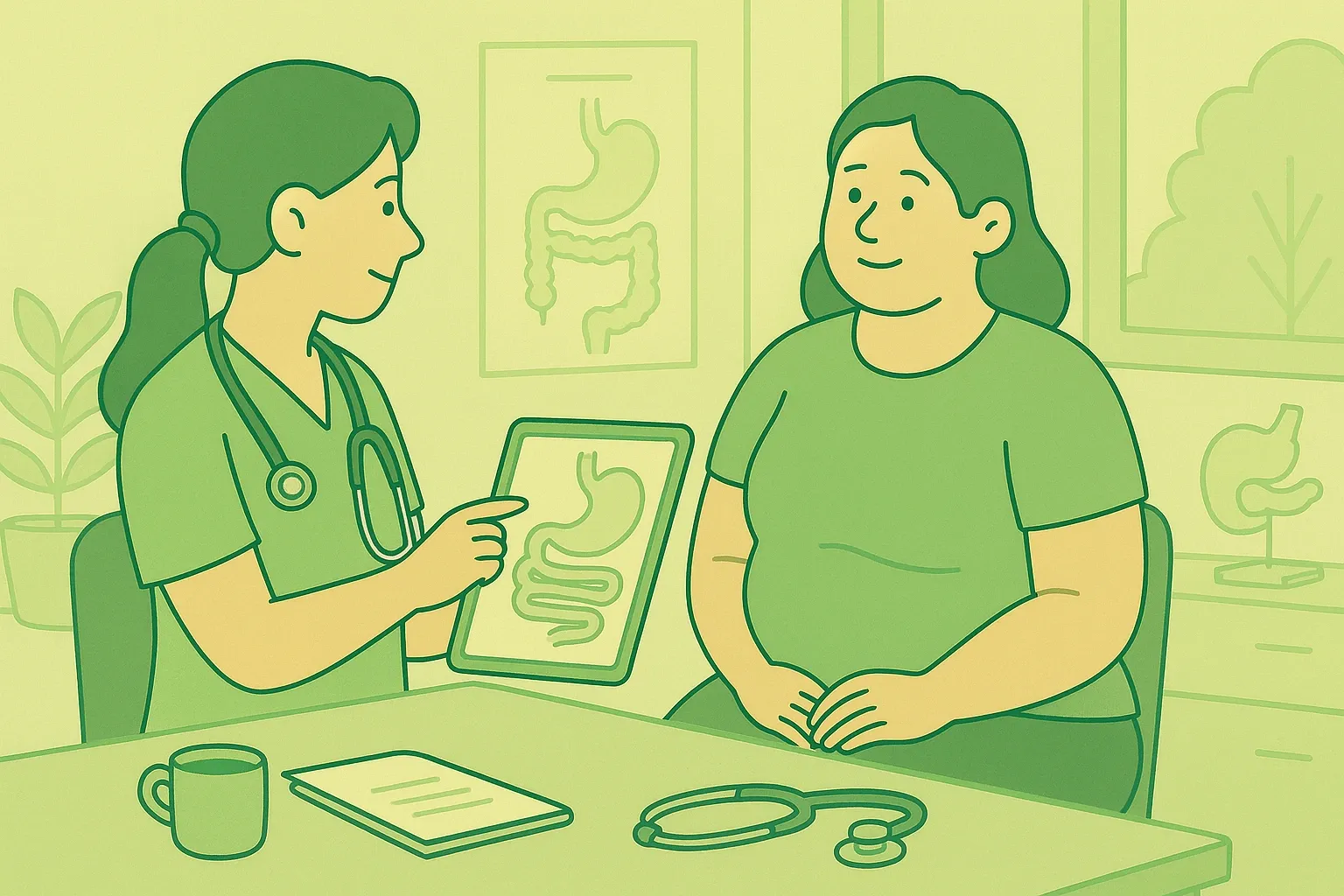
Bariatric surgery offers an effective alternative for individuals struggling with severe obesity. Among the various options, the single loop gastric bypass, also known as mini gastric bypass or single anastomosis gastric bypass, has gained attention for its distinct approach and positive outcomes.
Here are some of its notable benefits:
Simplified Surgical Design With Positive Results
The single loop gastric bypass differs primarily from the traditional Roux-en-Y gastric bypass in its design. Instead of creating two intestinal connections, it involves only one, which shortens operating time and reduces the complexity of the surgery. This streamlined approach minimizes the risk of certain complications, such as leakage at the connection points or bowel obstructions, which can occur in more technically demanding procedures.
Patients often appreciate that the recovery period is generally shorter and less taxing on the body. Hospitals may see reduced post-operative care requirements, and the simplified anatomy makes it easier for surgeons to perform the procedure consistently. These factors combine to make the single loop gastric bypass safer in facilities equipped for bariatric surgery.
Keep in mind that it’s important to check eligibility with a qualified bariatric specialist, as not everyone may be suited for this type of operation. You don’t want to rush into surgery without knowing if it’s the right choice for your health.
Effective Weight Loss and Maintenance
One of the most compelling benefits of this surgery is its strong record of long-term weight loss. The surgery restricts food intake while reducing calorie absorption by creating a smaller stomach pouch and rerouting a portion of the small intestine. This dual mechanism promotes steady and significant weight reduction, especially in the first year following the operation.
Beyond the initial results, many patients manage to sustain their new weight over the years. The smaller stomach size encourages lasting changes in eating habits, while the altered digestion pathway influences hormones related to hunger and satiety. This balance supports continued weight management, reducing the risk of regaining lost weight, a common struggle after non-surgical weight-loss methods.
Improves Metabolic Health
Beyond the physical changes on the scale, the single loop gastric bypass has a powerful impact on metabolic health. Conditions linked to obesity, such as type 2 diabetes, high cholesterol, and hypertension, often show dramatic improvement shortly after surgery. Many individuals experience normalized blood sugar levels even before major weight loss occurs, indicating the procedure’s effect on gut hormones that regulate insulin sensitivity.
Lower blood pressure and improved lipid profiles are also frequently observed, reducing the long-term risk of cardiovascular disease. This combination of metabolic improvements leads to better overall health and, for many patients, a decrease in medication dependence. The positive ripple effect can improve daily energy levels and emotional well-being.
Enhances Digestive Efficiency
While the procedure alters the digestive tract, it maintains a functional route that supports adequate nutrient absorption when balanced eating habits are followed. Compared to other bariatric surgeries that bypass larger portions of the intestine, the single loop version typically results in fewer nutritional deficiencies. Patients still need to follow a proper vitamin and mineral supplementation routine, but the risk of severe malabsorption is lower.
Another benefit lies in the body’s ability to adapt over time. The simplified rerouting reduces stress on the digestive system, allowing for more efficient digestion of smaller meals. With proper dietary guidance, most individuals can enjoy a variety of foods without discomfort, promoting a sustainable eating pattern that supports long-term wellness.
Lower Complication Rate and Faster Recovery
Every surgery carries some risk, but the single loop gastric bypass is generally considered safer than more complex bypass procedures. Since it involves fewer intestinal reconnections, the chances of leaks, internal hernias, and intestinal obstruction are lower. This safety profile contributes to growing confidence among surgeons and patients alike.
Recovery time is typically shorter, allowing patients to return to daily activities sooner. Shorter hospital stays and quicker mobility enhance overall recovery outcomes. These factors make the procedure a practical choice for those wishing to minimize downtime while achieving significant health improvements.
Positive Psychological and Lifestyle Impact
The transformation that follows a successful single loop gastric bypass extends beyond physical health. Many patients report increased confidence, improved mood, and greater participation in social and professional life. Shedding excess weight can relieve joint pain, improve sleep quality, and restore mobility, all of which contribute to a more active lifestyle.
Better self-image often translates into healthier relationships and more motivation to maintain the new habits that support continued success. As confidence grows, many individuals pursue new goals, such as traveling or engaging in hobbies. These changes create a reinforcing cycle of health and personal fulfillment.
Cost-Effective and Accessible
Another advantage worth mentioning is the relative cost-effectiveness of the single loop gastric bypass compared to other bariatric procedures. The simpler surgical design often means shorter operation times and reduced hospital expenses. For healthcare systems, this can mean improved efficiency and accessibility, letting more patients benefit from surgical weight-loss options.
In regions where healthcare resources are limited, this procedure offers a viable alternative to more complex surgeries that require specialized tools or extended hospital stays. The mix of positive results, lower costs, and fewer risks makes it an appealing option for many.
Long-Term Health Maintenance and Support
Surgery starts a new phase in maintaining health, not the finish line. The success of a single loop gastric bypass depends on consistent follow-up care, proper nutrition, and continued lifestyle adjustments. Most healthcare teams provide long-term support through regular checkups, counseling, and nutritional monitoring to help patients stay on track.
A strong aftercare plan makes a lasting difference. Staying connected with the care team helps prevent complications, supports steady progress, and ensures results remain stable over time. This ongoing guidance reinforces the procedure’s effectiveness and helps patients sustain their overall welfare.
Conclusion
Real change often begins with one crucial decision, and choosing a path toward better health is one of the most powerful steps a person can take. The single loop gastric bypass reflects that choice—an opportunity to take control, rebuild habits, and move forward with purpose.
Progress takes time, and that’s part of the journey. With patience, steady effort, and the right support, the changes that follow can reach far beyond the physical. Over time, the procedure can open the door to a healthier, more confident, and more balanced life.