Weird Places You Didn’t Know Germs Like to Hang Out
<p>Microbes cling to more surfaces than most people realize. Jewelry clasps, earbuds, reusable bottles, and controllers quietly collect sweat, oils, and residue, creating unseen habitats where…
- Published
- Written by
- Women In Balance Team
- Reading time
- 4 minutes
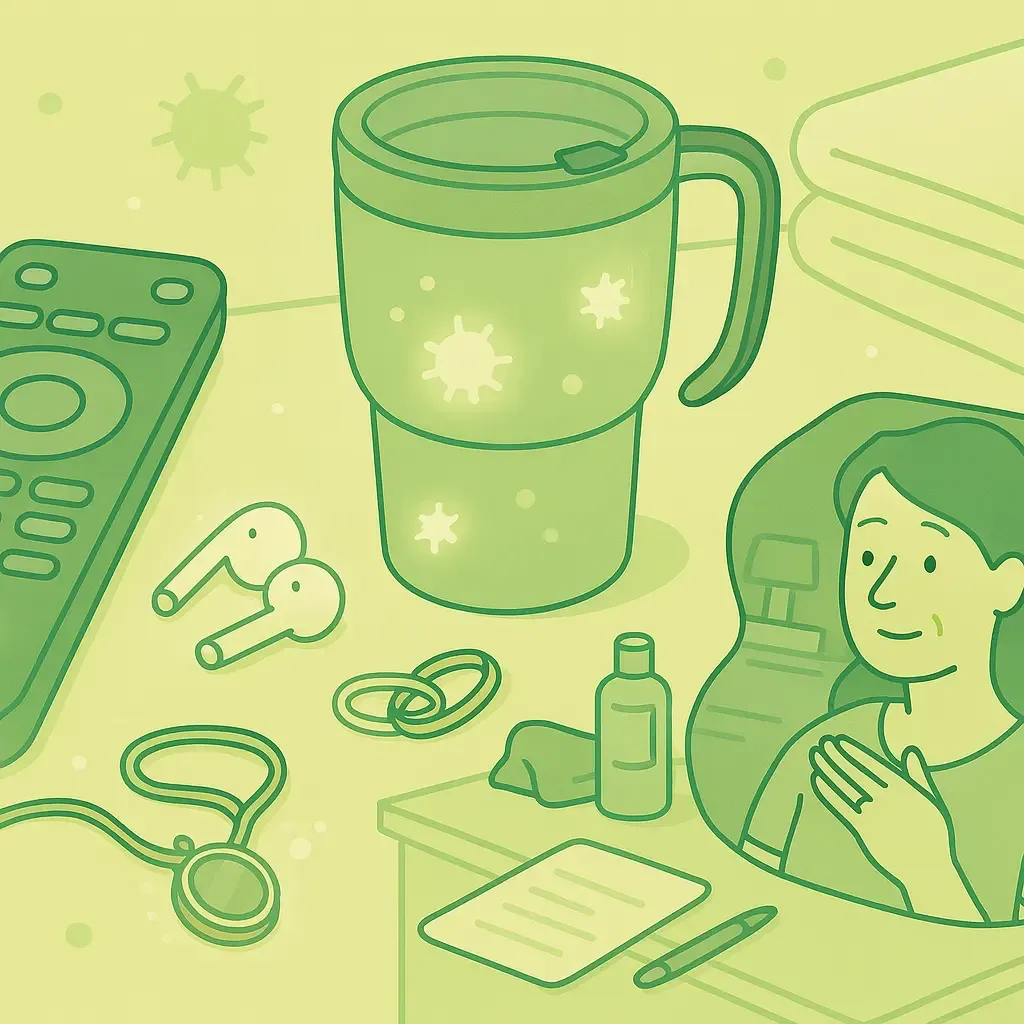
Microbes cling to more surfaces than most people realize. Jewelry clasps, earbuds, reusable bottles, and controllers quietly collect sweat, oils, and residue, creating unseen habitats where bacteria multiply. These overlooked spots don’t just look unclean; they contribute to irritation, unpleasant odors, and even recurring illness when left unchecked. Everyday routines often overlook these hidden zones, leaving small but persistent risks in plain sight.
Recent shifts in household habits, from reusable shopping bags to high-touch electronics, make awareness more important than ever. With a few simple practices — like targeted rinsing, full drying, and smarter storage — you can reduce microbial buildup. Such intentional choices preserve personal items, improve comfort, and create a fresher, healthier environment at home.
Jewelry and Everyday Accessories
A damp earlobe after a shower hides puddles beneath an earring’s clasp where bacteria multiply. Earrings trap moisture; rings collect oils and soap residue under bands, turning pieces into reservoirs. To cut buildup, soak rings and studs weekly in mild soap and water, then scrub hidden areas with a soft brush. Choosing hypoallergenic earrings and other metals helps minimize irritation and reduces the corrosion that holds grime.
Dry pieces fully on a clean towel and store each separately in a ventilated box; avoid sleeping in jewelry and avoid wearing during workouts or while piercings heal. A weekly five-minute soak, gentle brushing of crevices, thorough rinse and upright air-dry works well.
Reusable Shopping Bags
Shopping totes follow you through crowded aisles and checkout counters, picking up invisible residue along the way. Fabric bags that carry raw meat or produce often trap juices in seams, while damp creases provide the perfect setting for microbial growth. Machine-wash cloth bags weekly, or immediately after transporting raw foods, using warm water and detergent. Hang them upright to dry fully so moisture doesn’t linger.
Non-washable and insulated carriers require a different approach. Wipe interiors, seams, and corners with diluted bleach or 70% alcohol, then air them inside-out until dry. Assign dedicated bags for meats, produce, and pantry goods, storing each in a clean, dry space. These habits keep reusable bags safer and longer lasting.
Earbuds and Headphones
Warm, sweaty ears turn earbuds into micro-habitats for microbes. Sweat, earwax, and trapped moisture in silicone tips or mesh give bacteria and fungi the perfect surface to cling to. Cleaning after workouts with disinfecting wipes or pads reduces buildup, while letting earbuds air out before charging keeps dampness from settling into crevices and battery areas.
Remove silicone tips once a week and wash them in mild soap and water, drying thoroughly before reattaching. For hard plastic housings, a gentle pass with an alcohol-based cloth clears away oils without damaging components. Cases collect debris as well, so wipe interiors and leave them open until fully dry.
Coffee Makers and Reusable Drinkware
Steam curling from a neglected carafe hides slimy rings and mineral film in crevices that trap bacteria. Coffee oils cling to filters and baskets, while seals and valve gaps hold lingering moisture. A monthly rinse with vinegar breaks down scale and biofilm, helping machines stay clean and run properly. For drip models, follow with two plain-water cycles to flush away residue.
The same principle applies to travel mugs and bottles. Lids, straws, and gaskets often hold water after use, creating small microbial pockets. Disassembling each part, scrubbing thoroughly, and drying pieces upright prevents odors and slime. Leaving items on a rack until completely dry makes routine maintenance easier and more effective.
Remote Controls and Gaming Gear
Soft plastics, sticky buttons, and textured grips trap skin oils, crumbs, and sweat. Remote controls and game controllers stay in hands for long stretches, so residue quickly builds up between buttons and in narrow seams. Wireless bases with fans or vents collect dust that mixes with oils, making surfaces dirtier than they appear.
Weekly cleaning with a microfiber cloth lightly dampened in 70% isopropyl removes most grime, while cotton swabs reach the tight areas after powering devices down and removing batteries. Assigning controllers to specific players helps limit sharing, and skipping snacks during sessions reduces crumbs. Keeping a small cleaning kit beside the console encourages consistent upkeep.
Hidden crevices in clasps, seams, ear tips, and drink lids often become unnoticed contamination sites. Consistent care turns these everyday belongings from silent reservoirs into cleaner, safer essentials. Regular soaking, thorough wiping, and complete air-drying prevent microbial buildup while extending the life of personal items. Simple adjustments quickly become natural habits, replacing worry with confidence. Investing only a few minutes each week creates a home that feels fresher, healthier, and easier to maintain. Lasting improvements come from these steady routines, protecting both your well-being and the valued items you rely on day after day.