What Is Core Sleep? The Key to Restorative Sleep
<p>Key Takeaways Core sleep refers to the first 4–6 hours of sleep, during which the body experiences most of its deep and REM sleep. This stage is critical for physical restoration, memory…
- Published
- Written by
- Women In Balance Team
- Reading time
- 10 minutes
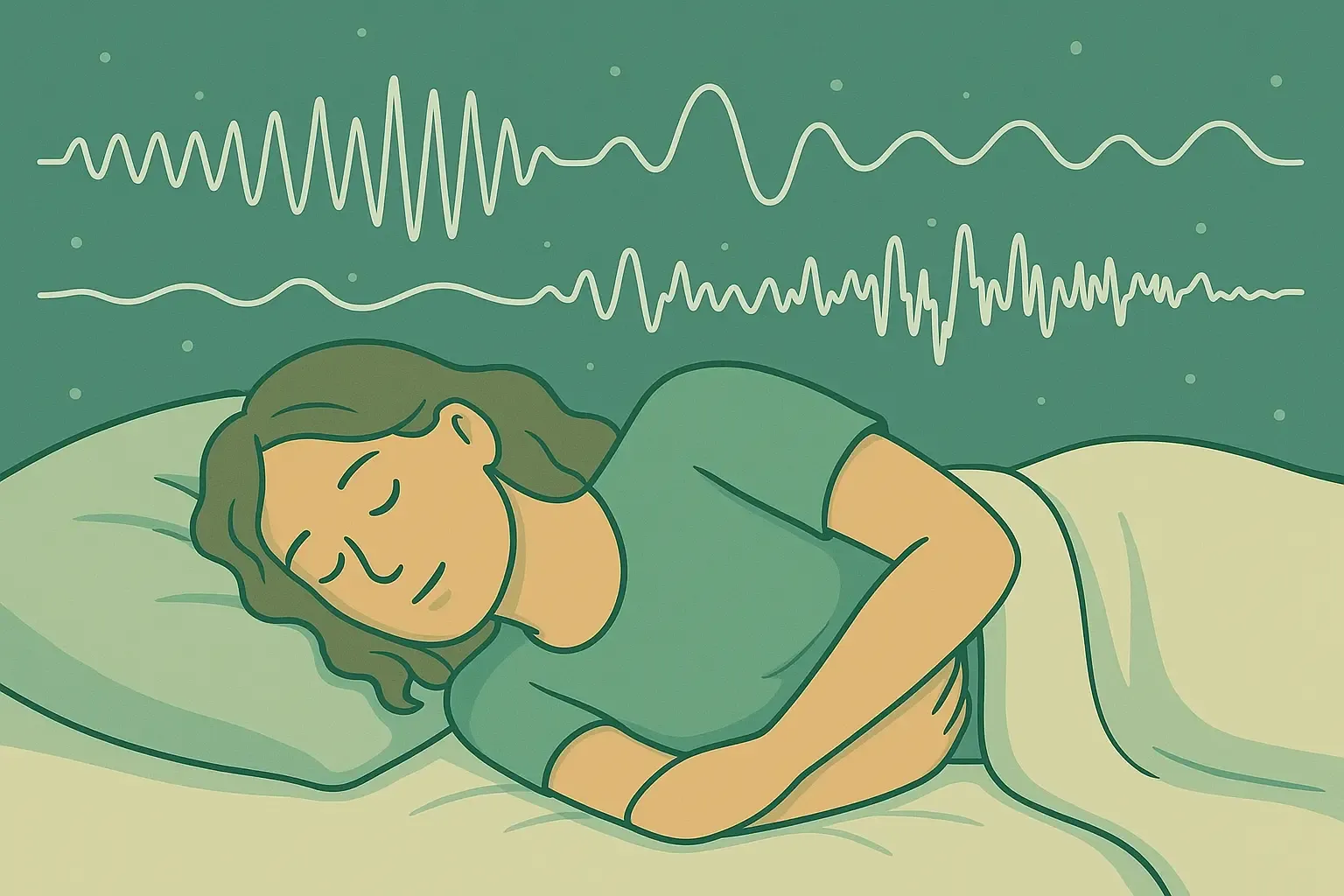
Key Takeaways
- Core sleep consists of deep sleep (N3) and REM sleep—the most restorative stages of your nightly rest
- Adults need approximately 1.5-2 hours of core sleep per night for optimal physical recovery and mental function
- Improving sleep habits and tracking patterns can significantly enhance your core sleep quality and overall well-being
Core sleep refers to the first 4–6 hours of sleep, during which the body experiences most of its deep and REM sleep. This stage is critical for physical restoration, memory consolidation, and hormone regulation. Getting uninterrupted core sleep ensures most of the body’s essential recovery functions are completed.
Have you ever wondered why some nights leave you feeling completely refreshed after just six hours, while other nights you wake up groggy despite sleeping eight or nine hours? The answer lies in understanding what is core sleep—the foundation of truly restorative rest.
Core sleep represents the deepest, most rejuvenating stages of your nightly sleep cycle. It’s during these critical hours that your body repairs tissues, consolidates memories, strengthens your immune system, and recharges your mental batteries. While the total amount of sleep matters, the quality of your core sleep determines whether you wake up energized or exhausted.
This article explores everything you need to know about core sleep: what it is, why it’s essential for your physical and mental health, how to measure it, and most importantly, how to improve it. Whether you’re struggling with fatigue despite adequate sleep time or simply want to optimize your rest, understanding core sleep is the first step toward better health and vitality.
What Is Core Sleep?
Core sleep refers to the deepest and most restorative stages of your sleep cycle—specifically deep sleep (NREM stage 3) and REM sleep. These stages represent the periods when your body and brain undergo the most critical recovery and restoration processes.
Unlike lighter sleep stages where you can be easily awakened, core sleep involves profound physiological changes. Your brain waves slow dramatically during deep sleep, your muscles relax completely, and essential repair mechanisms activate throughout your body. During REM sleep, your brain becomes highly active, processing emotions and consolidating memories from the day.
Most adults need approximately 1.5 to 2 hours of core sleep per night for optimal health. This might seem like a small portion of your total sleep time, but these hours pack the most powerful restorative benefits. Without adequate core sleep, you can spend plenty of time in bed yet still wake up feeling unrefreshed and fatigued.
Understanding core sleep helps explain why sleep quality matters just as much—if not more—than sleep quantity. You could sleep for ten hours but spend most of that time in lighter sleep stages, missing out on the deep restoration your body needs.
Stages of Sleep and Their Role in Core Sleep
Your nightly sleep isn’t a uniform state of unconsciousness. Instead, you cycle through four distinct stages multiple times each night, with each stage serving specific purposes.
Stage N1 (Light Sleep): This is the transition from wakefulness to sleep, lasting only a few minutes. Your muscles relax, your heartbeat slows, and you can be easily awakened.
Stage N2 (Intermediate Sleep): A deeper level of light sleep where your body temperature drops and eye movements stop. This stage represents approximately 45-50% of your total sleep and helps with memory consolidation.
Stage N3 (Deep Sleep): This is the first component of core sleep and the most physically restorative stage. Your brain produces slow delta waves, making it difficult to wake up. During this stage, your body releases growth hormone, repairs tissues, builds bone and muscle, and strengthens your immune system.
REM Sleep (Rapid Eye Movement): The second component of core sleep, REM sleep is when most dreaming occurs. Your brain becomes highly active while your voluntary muscles become temporarily paralyzed. This stage is crucial for memory consolidation, learning, emotional processing, and cognitive function.
These four stages repeat in cycles lasting approximately 90 minutes throughout the night. You typically experience more deep sleep during the first half of the night, while REM sleep periods become longer toward morning. Disruptions to any stage affect overall sleep quality, but interruptions during N3 and REM—your core sleep—have the most significant impact on how you feel and function the next day.
Why Core Sleep Is Important
Core sleep isn’t just about feeling rested—it’s fundamental to virtually every aspect of your physical, mental, and emotional health.
Physical restoration: During deep sleep, your body enters its most intensive repair mode. Growth hormone secretion peaks, facilitating tissue repair, muscle growth, and bone strengthening. Your immune system produces infection-fighting substances, helping you resist illness and recover from injuries.
Cognitive function: Core sleep, especially REM sleep, plays a vital role in consolidating memories and processing information learned during the day. Your brain strengthens important neural connections while pruning away less important ones. This process is essential for learning new skills, retaining information, and maintaining sharp cognitive function.
Emotional regulation: REM sleep helps process emotional experiences and regulate mood. During this stage, your brain works through emotional memories, reducing their intensity and helping you maintain emotional stability. Insufficient REM sleep is strongly linked to mood disorders, anxiety, and difficulty managing stress.
Metabolic health: Core sleep influences hormones that control appetite, metabolism, and blood sugar regulation. Lack of deep sleep disrupts leptin and ghrelin—hormones that signal fullness and hunger—leading to increased appetite and potential weight gain.
Energy and performance: Perhaps most noticeably, core sleep determines your energy levels and daily performance. Consistent, quality core sleep translates to sustained energy throughout the day, better focus and concentration, improved reaction times, and enhanced physical performance.
The concerning reality is that you can sleep for many hours yet still experience the consequences of poor core sleep. Total sleep duration doesn’t guarantee quality—you might spend eight hours in bed but cycle repeatedly through only light sleep stages, missing out on the deep and REM sleep your body needs.
When your mattress doesn’t support your body properly, even a long night of sleep won’t feel restful. Poor spinal alignment forces your body to toss and turn, which disrupts your deep sleep cycles. By supporting your posture, you allow your muscles to recover and help your body stay in those vital core sleep stages. For many, finding the right balance of firmness and pressure relief is the key to better rest. Using a mattress topper for back pain can reduce physical strain and improve overall comfort, helping you stay in a deeper sleep for longer. Better alignment leads to more consistent recovery and steadier energy every morning.
How to Measure Core Sleep
Understanding your core sleep patterns starts with measurement. Modern technology offers accessible ways to estimate and track your core sleep.
Sleep trackers and wearable devices have become increasingly sophisticated at estimating sleep stages. Popular options include Apple Watch, Fitbit, Oura Ring, and Garmin watches. These devices use multiple data points to analyze your sleep: heart rate variability, movement patterns, respiratory rate, and blood oxygen levels.
Based on these measurements, sleep trackers provide estimates of how much time you spend in each sleep stage, including your core sleep duration. Most apps display easy-to-read graphs showing your sleep architecture throughout the night and track trends over weeks or months.
Important limitations: Sleep trackers provide approximations, not medical-grade diagnoses. They can be 80-90% accurate for general sleep stage estimation but aren’t precise enough to diagnose sleep disorders. Think of them as helpful tools for identifying patterns and tracking improvements.
Typical benchmarks: For healthy adults, core sleep typically includes 1.5 to 2 hours total, broken down as approximately 45-90 minutes of deep sleep and 90-120 minutes of REM sleep. These amounts can vary based on age and individual needs.
Using tracking data effectively: Don’t obsess over achieving perfect numbers every single night—some variation is normal. Instead, look for patterns over weeks. Notice correlations between your habits and sleep quality, such as how alcohol, late exercise, or stress affect your core sleep.
When professional assessment is needed: If your tracker consistently shows very little deep or REM sleep, you frequently wake up exhausted despite adequate sleep time, or you experience symptoms like loud snoring or gasping, consider a professional sleep study.
How to Improve Core Sleep
Enhancing your core sleep doesn’t require expensive interventions. If you’re having trouble falling asleep, try a warm meal before bed. Some people also enjoy a small amount of low-potency mad honey, though its effects vary from person to person. Most improvements come from consistent, evidence-based sleep habits.
Maintain a consistent sleep schedule: Going to bed and waking up at the same time every day, even on weekends, reinforces your circadian rhythm and makes it easier to cycle through all sleep stages properly.
Create a relaxing bedtime routine: Develop a 30-60 minute pre-sleep routine that signals your body it’s time to wind down. This might include reading, gentle stretching, taking a warm bath, meditation, or listening to calming music.
Optimize your sleep environment:
- Keep your bedroom cool (65-68°F or 18-20°C)
- Ensure complete darkness using blackout curtains or an eye mask
- Minimize noise with earplugs or a white noise machine
- Invest in a comfortable, supportive mattress and pillows
Limit caffeine and alcohol: Avoid caffeine at least 6-8 hours before bedtime. While alcohol might make you feel drowsy initially, it significantly disrupts sleep architecture, particularly REM sleep. If you drink alcohol, finish at least 3-4 hours before bed.
Exercise regularly—but time it right: Regular physical activity significantly improves sleep quality and increases deep sleep duration. Aim for at least 150 minutes of moderate exercise weekly, but finish intense workouts at least 3-4 hours before bed.
Manage light exposure: Get bright light exposure, preferably natural sunlight, during the morning to reinforce your wake cycle. In the evening, dim lights and avoid blue light from screens for at least 1-2 hours before bed.
Watch your evening eating habits: Avoid large meals within 2-3 hours of bedtime. If you’re hungry before bed, choose light snacks like foods containing tryptophan (turkey, dairy, nuts) or complex carbohydrates.
Manage stress: Practice stress-management techniques like meditation or progressive muscle relaxation. If worries keep you awake, try writing down concerns before bed, then set them aside until morning.
Be patient and consistent: Sleep improvements typically take 2-4 weeks of consistent new habits. Track your progress but don’t obsess over nightly variations—focus on overall trends.
When to Seek Professional Help
While many sleep issues improve with lifestyle changes, some situations require professional medical evaluation.
Seek help if you experience:
- Persistent sleep difficulties despite practicing good sleep hygiene for 4-6 weeks
- Loud snoring, gasping, or choking during sleep
- Excessive daytime sleepiness despite adequate time in bed
- Chronic fatigue that affects work, relationships, or safety
- Symptoms of restless leg syndrome or other sleep disorders
A sleep specialist can conduct a thorough evaluation and may recommend a sleep study to identify specific disorders. Treatment options include cognitive behavioral therapy for insomnia (CBT-I), CPAP therapy for sleep apnea, medications when appropriate, and customized sleep recommendations. Many sleep disorders are highly treatable once properly diagnosed.
Conclusion
Core sleep—consisting of deep sleep and REM sleep—represents the most restorative portion of your nightly rest. While you may spend seven or eight hours in bed, it’s these 1.5 to 2 hours of core sleep that truly recharge your body and mind, facilitating physical recovery, memory consolidation, emotional regulation, and overall health.
The quality of your sleep matters more than the quantity. You can optimize your core sleep through consistent sleep schedules, healthy bedtime routines, an ideal sleep environment, and mindful lifestyle choices. Modern sleep trackers offer valuable insights into your sleep patterns, helping you identify areas for improvement.
Remember: restorative rest isn’t about achieving perfection every single night. It’s about establishing consistent habits that support your body’s natural sleep cycles. Small, sustainable changes compound over time, gradually enhancing your core sleep and transforming how you feel each day.
If you’re ready to wake up truly refreshed, start tonight by choosing one habit from this article to implement. Whether it’s setting a consistent bedtime, creating a relaxing evening routine, or optimizing your sleep environment, that single step begins your journey toward better core sleep and improved well-being.
Explore more wellness insights and sleep optimization strategies at Women in Balance, where we support your journey to balanced, vibrant health.
Frequently Asked Questions
What is a good core sleep time?
A healthy adult should aim for 1.5 to 2 hours of core sleep per night, consisting of approximately 45-90 minutes of deep sleep and 90-120 minutes of REM sleep, though individual needs may vary.
Which is better, core or deep sleep?
Core sleep includes both deep sleep and REM sleep—you need both for optimal health. Deep sleep restores your body physically while REM sleep consolidates memories and regulates emotions; neither is “better” as they serve different essential functions.
What happens if someone doesn’t get any deep sleep?
Without deep sleep, your body can’t adequately repair tissues, strengthen immunity, or release growth hormone, leading to physical fatigue, weakened immune function, impaired recovery, and increased risk of chronic health issues.
What are the signs that a person is not getting deep sleep?
Common signs include waking up feeling unrefreshed despite adequate sleep time, persistent daytime fatigue, difficulty concentrating, weakened immunity with frequent illness, slow recovery from exercise, and mood disturbances.
Is REM sleep closer to light sleep or deep sleep?
REM sleep is distinct from both—your brain is highly active (similar to wakefulness) while your body is deeply relaxed and temporarily paralyzed. It’s considered part of core sleep alongside deep sleep due to its essential restorative functions, particularly for cognitive and emotional health.