Why Stress Shows Up in the Body, Not Just the Mind
If you’ve ever felt your shoulders tighten during a difficult conversation, or noticed your stomach act up during a stressful week, you’ve already experienced this firsthand. Stress doesn’t stay in…
- Published
- Written by
- Women In Balance Team
- Reading time
- 5 minutes
If you’ve ever felt your shoulders tighten during a difficult conversation, or noticed your stomach act up during a stressful week, you’ve already experienced this firsthand.
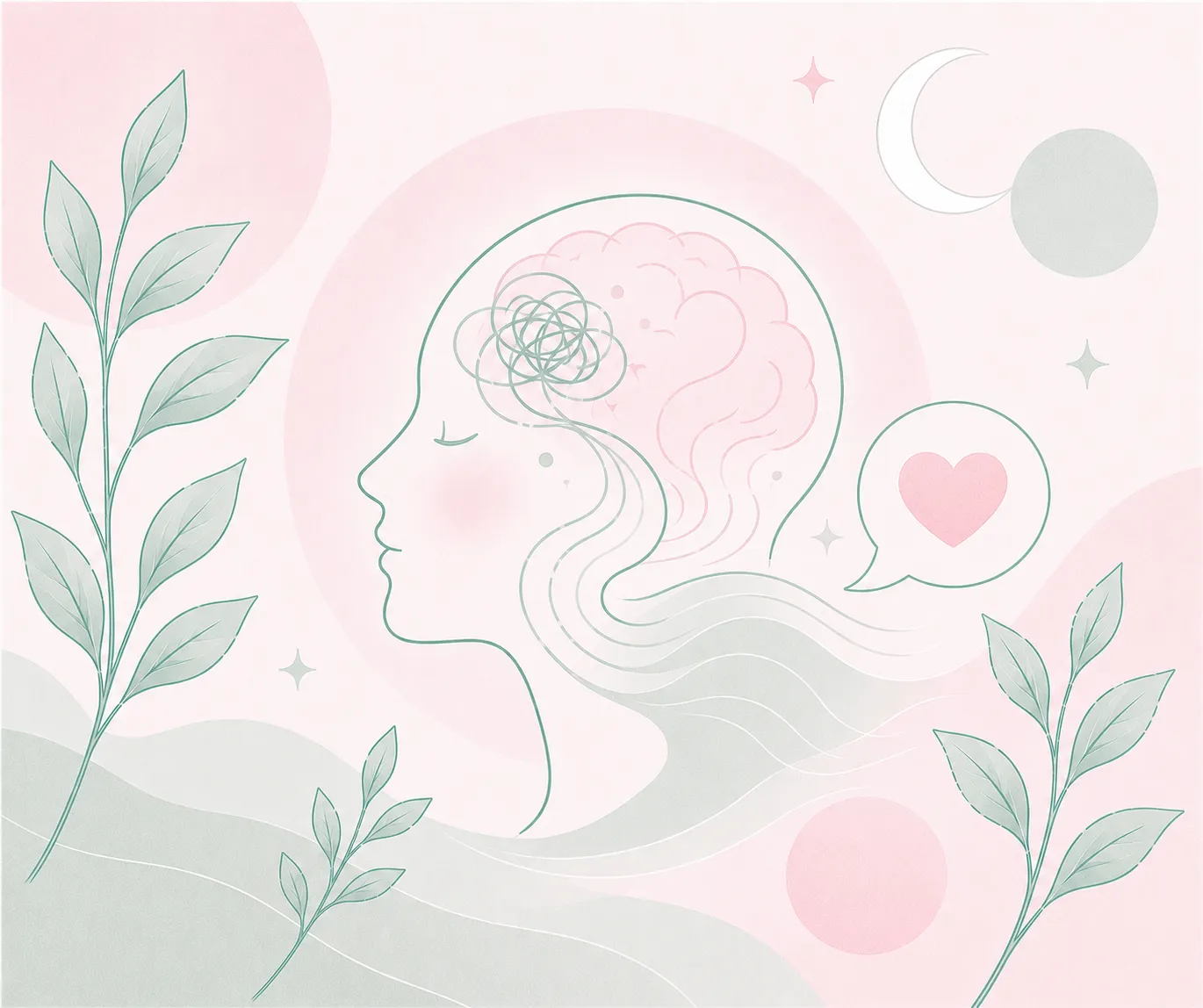
Stress doesn’t stay in your thoughts. It moves through your entire body.
For many women, stress is often dismissed as something mental, something to “manage” or push through. But the body tells a different story. Stress is physical. It changes how your muscles hold tension, how your hormones respond, and how your nervous system functions day to day.
Understanding this connection is the first step toward addressing stress in a way that actually works.
Stress Is a Full-Body Response, Not a Thought Pattern
The Nervous System Is Always Listening
Stress begins in the brain, but it doesn’t stay there. The moment your brain perceives pressure, whether it’s a deadline, conflict, or emotional strain, your nervous system responds.
Your body shifts into a heightened state. Heart rate increases. Muscles prepare for action. Breathing becomes shallow. This response is designed to protect you, but it was never meant to stay switched on all day.
When stress becomes chronic, the body doesn’t reset properly. It stays in a low-grade state of alert, which means physical symptoms start to appear.
Hormones Carry Stress Through the Body
Stress hormones like cortisol and adrenaline don’t just affect mood. They influence digestion, sleep, metabolism, and inflammation.
Higher levels of stress are directly linked to hormone imbalance, which can affect everything from energy levels to reproductive health.
For women especially, this connection is often more noticeable. Hormonal shifts amplify how stress is felt physically, whether that shows up as fatigue, tension, or disrupted sleep.
The Body Keeps the Score
Stress that isn’t processed doesn’t disappear. It gets stored.
You might notice it as tight shoulders, jaw clenching, headaches, or lower back discomfort. Over time, these patterns become familiar, even normal. But they’re signals, not just random discomfort.
As many women experience, stress isn’t “just in your head.” It creates real, physical tension patterns in the body, especially in areas like the neck and upper back.
An Integrated View of Stress and Healing
The Nervous System as the Starting Point
Rather than focusing only on symptoms, some approaches look at how the nervous system is functioning as a whole.
Human Health Chiropractic Jersey describes working with the body’s central systems to support long-term health, noting that care is focused on removing interference so the body can “create ease, balance, health and energy for life.”
This perspective shifts the focus from chasing individual symptoms to understanding how the body is operating as a system.
Physical Alignment and Tension Patterns
When the body is under constant stress, alignment changes. Posture shifts. Movement becomes restricted. Certain muscles overcompensate while others weaken.
Addressing these patterns can reduce the physical load the body is carrying daily.
This isn’t about perfection in posture. It’s about reducing unnecessary strain so the body can function more efficiently.
Restoring Balance Instead of Managing Symptoms
Stress management often focuses on coping. But there’s a difference between coping and restoring balance.
Restoration involves:
- Allowing the nervous system to downregulate
- Supporting hormonal balance
- Releasing stored physical tension
- Creating consistent recovery, not just temporary relief
This approach aligns more closely with how the body actually processes stress.
Where Stress Commonly Shows Up Physically
Neck, Shoulders, and Upper Back
This is one of the most common places stress appears. When you’re overwhelmed, your body subtly prepares for impact. Shoulders lift. Neck muscles tighten.
Over time, this creates stiffness, reduced mobility, and ongoing discomfort that doesn’t resolve with quick fixes.
Gut and Digestion
The gut is highly sensitive to stress. You might notice bloating, discomfort, or changes in appetite during stressful periods.
This happens because the body shifts resources away from digestion when it’s in a stress response. Long term, this can disrupt how your body processes food and absorbs nutrients.
Sleep and Energy Levels
Stress doesn’t just make you feel tired, it interferes with how your body recovers.
Even if you’re getting enough hours of sleep, the quality may be poor. You wake up feeling unrefreshed, or your mind stays active when your body is trying to rest.
Skin and Inflammation
Stress can also show up through inflammation. Breakouts, sensitivity, or flare-ups often have a stress component.
This isn’t random. It’s part of the body’s broader response to prolonged internal pressure.
Why Mental Solutions Alone Don’t Work
You Can’t Think Your Way Out of a Physical State
Many stress management approaches focus only on mindset. While awareness matters, it’s not enough.
If your body is holding tension, shifting your thoughts won’t automatically release it. The nervous system needs physical signals of safety to reset.
This is why purely cognitive approaches can feel limited. You understand you’re stressed, but your body still feels stuck.
The Missing Piece Is the Body
Addressing stress effectively means working with the body, not just the mind.
Movement, breathwork, manual therapy, and rest all play a role. These approaches help regulate the nervous system and release stored tension, not just analyze it.
This is where more integrated approaches to health become relevant.
What This Means for Daily Life
Pay Attention to Physical Signals
Your body is constantly giving feedback. Tightness, fatigue, discomfort, these are not random. They’re early indicators that stress is accumulating. Ignoring them usually leads to more persistent issues over time.
Build in Physical Reset Points
Small, consistent actions make a difference:
- Walking regularly
- Stretching or mobility work
- Breathing exercises
- Taking breaks from prolonged sitting
These are not extras. They are part of how the body regulates itself.
Redefine Stress as a Physical Experience
When you start seeing stress as something that lives in the body, your approach changes.
It becomes less about pushing through and more about responding appropriately. Less about ignoring symptoms and more about understanding them.
Conclusion
Stress doesn’t exist in isolation. It moves through your nervous system, affects your hormones, and shapes how your body feels day to day.
For women navigating full schedules, responsibilities, and constant input, this connection matters. Because when stress is only addressed mentally, the physical side remains unresolved.
The shift is simple but important. Stress is not just something you think. It’s something your body experiences.
And that’s exactly where it needs to be addressed.