Women and Vein Health: How Hormones, Pregnancy, and Aging Influence Varicose Vein
<p>Varicose veins are one of the most prevalent vascular issues that women experience, affecting millions at every stage of life. While men and women can suffer from venous conditions, women are much…
- Published
- Written by
- Women In Balance Team
- Reading time
- 6 minutes
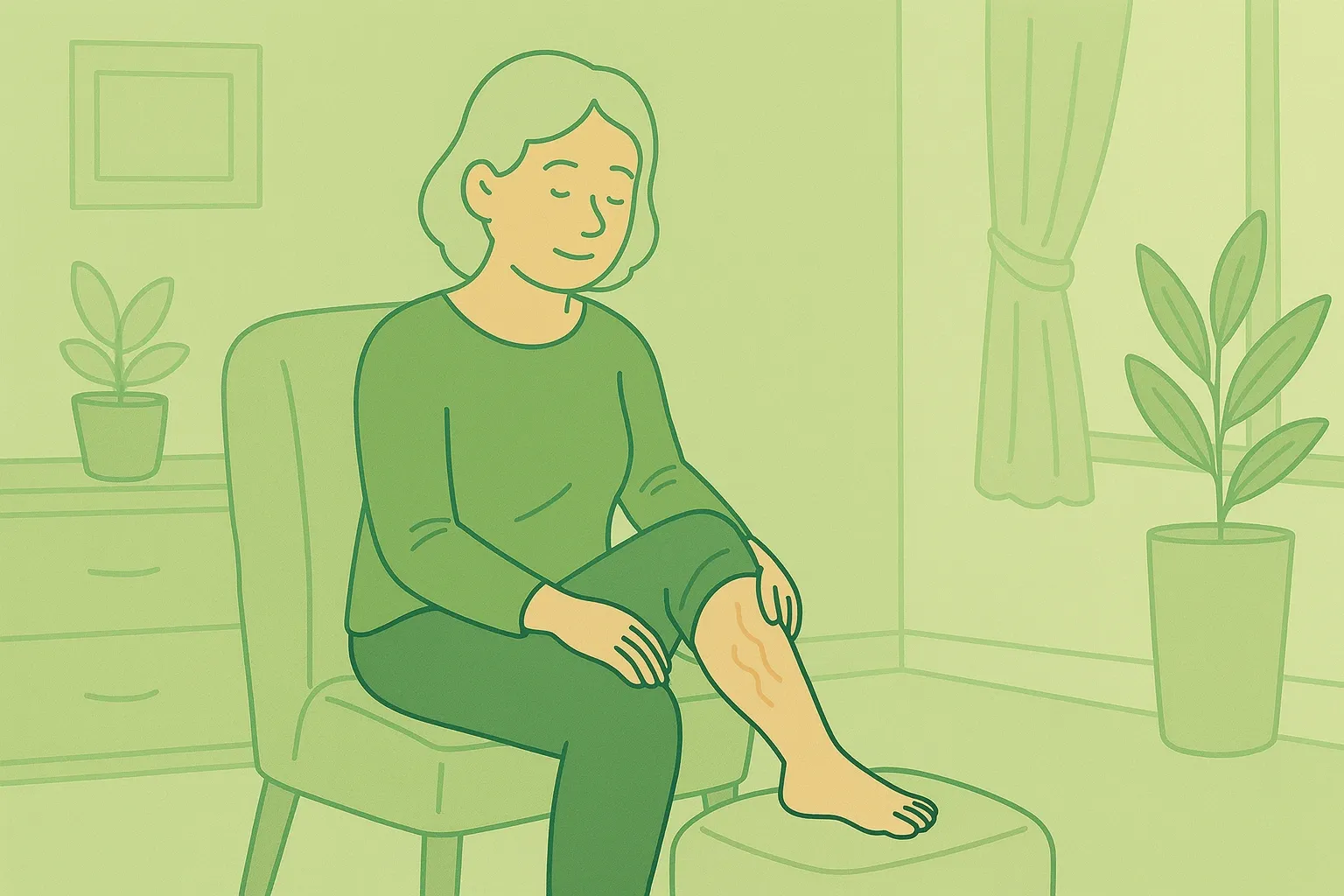
Varicose veins are one of the most prevalent vascular issues that women experience, affecting millions at every stage of life. While men and women can suffer from venous conditions, women are much more likely to do so because of the unique interplay between hormones as well as pregnancy and the natural process of aging. With more awareness around vein health, women have questions about why these changes happen, and ways to prevent or treat them. Contemporary medicine brings a better insight into the impact of female physiology on vein function and how some life periods are more at risk to venous disorders for women. This provides opportunities for early intervention, personalised care and better long-term vascular health.
The Special Impact of Hormones in Women on Venous Function
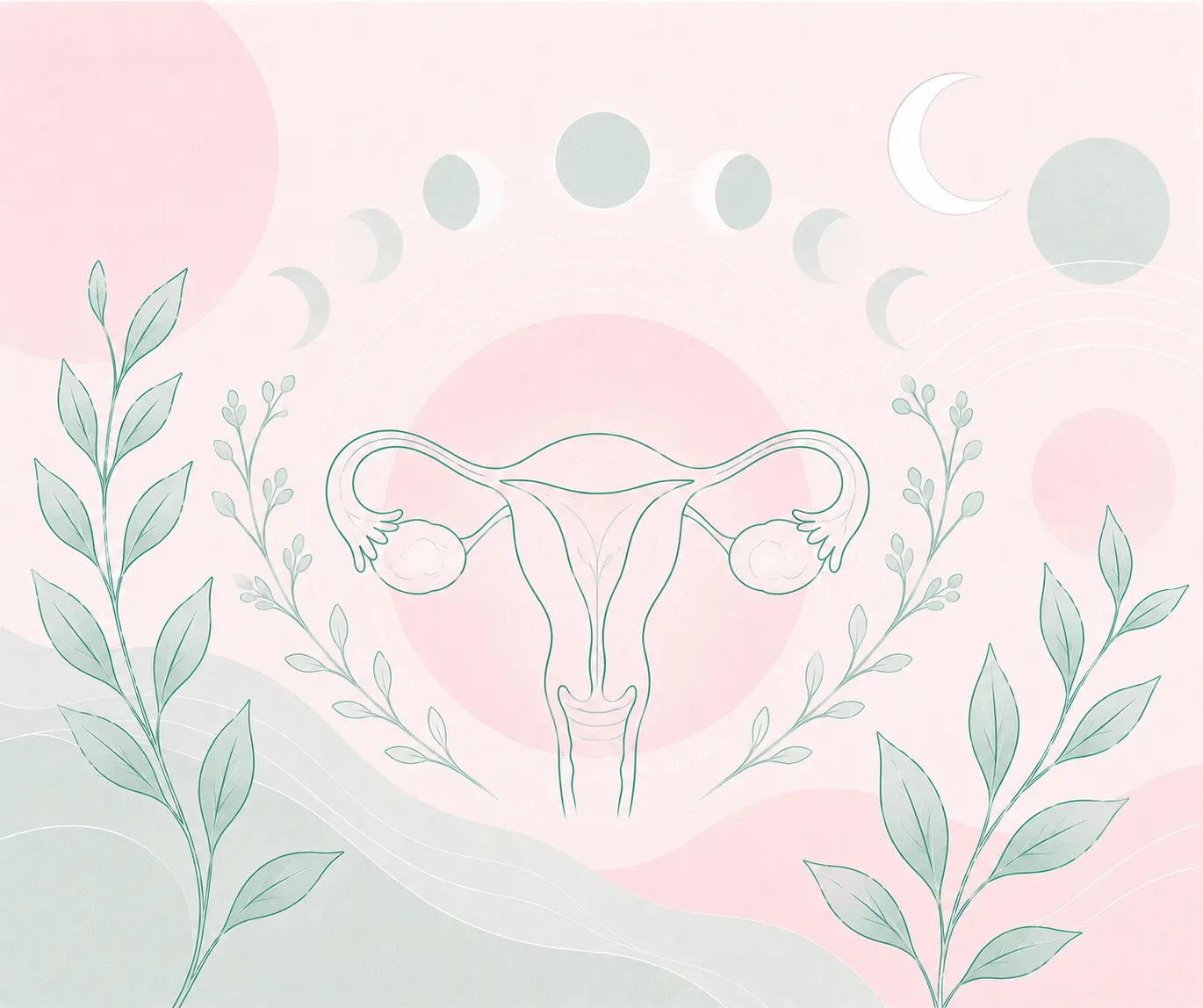
Hormones influence women’s health in numerous ways, and this includes their circulatory system. Estrogen and progesterone, in particular, alter the structure and elasticity of vein walls. Progesterone has a tendency to relax smooth muscle and the muscles that assist veins in maintaining tone. When these muscles don’t contract as much they can open up more, potentially sending the flow of blood back to the heart less smoothly. Estrogen also affects the production of collagen, and this can impact vein elasticity as you age. These hormonal changes happen throughout the menstrual cycle, after giving birth, and at perimenopause and menopausal stages in a woman’s life – these are the times when many women tend to see visible vein changes. This is due to the hormonal aspect and why even females who eat right, exercise regularly but have no real “family history” are often affected.
Pregnancy and Its Profound Effect on the Veins
Pregnancy is responsible for some of the most outsized changes to these veins. The growing uterus that puts pressure on the inferior vena cava, the large vein that returns blood from the lower body to the heart. This compressive force restricts blood circulation and contributes to dilating the vein. Meanwhile, progesterone levels surge during pregnancy and the walls of your veins are even more relaxed. The blood volume also rises nearly 50 percent to support the fetus and that means that the vessels have to work extra hard. Women may start seeing varicose veins around their second trimester – most commonly in the legs, pelvis and vulva. While some of these veins go away after giving birth, others can remain or become more severe with each new pregnancy. Knowing these physiological strains help to illustrate why earlier vein care during and after pregnancy is rapidly becoming considered an important component of health care for women.
Aging and the Progressive Weakening of Vein Elasticity
Vein health is one more layer of concern added to the mix of aging. The valves inside the veins, which stop your blood from flowing back into them after it’s been pumped to other parts of the body, can weaken or be damaged over time. When these valves fail, blood accumulates in the legs, causing the unsightly appearance of varicose veins and spider veins. Collagen production declines with age, so that the walls of the veins weaken and lose their ability to stretch. This is compounded by the natural decline in hormone levels that occurs during menopause, when estrogen plummets. Esrogen assists in connective tissue integrity so its depletion causes veins to become weak faster. Some women report that they started to notice more prominent varicose veins in their forties and fifties, especially if they had developed vein changes during pregnancy. The process of venous disease Many of us age at different rates, but the depleted hormone production combined with a lack of elasticity and weak valves create a perfect storm for venous conditions to develop or worsen.
Factors That Increase Risk Among Women Lifestyle
Although largely influenced by genetics, some lifestyle habits may encourage or exacerbate the development of varicose veins. When you sit or stand for long periods, it makes it more difficult for the circulation to work properly and pushes blood back up the legs under pressure. Wearing high heels often can curb the calf muscle’s natural pumping action that returns blood from the feet to the upper body against gravity. Weight increase, regardless of the source (pregnancy vs. lifestyle), will also strain your venous circulation system. Though these influences don’t cause varicose veins, they can exacerbate symptoms in women who are already predisposed hereditary or hormonally. Recognition of these factors enables women to take preventive action that can promote improved vascular health at all ages.
Contemporary diagnostic methods in women’s vein health
The most important development in your work thanks to computers is probably the evolution of imaging procedures. This non-invasive tool allows clinicians to chart the vein’s architecture, assess valve performance and identify concealed venous reflux that may not be superficially evident. For women who are bothered by discomfort, swelling or changes during pregnancy or menopause, this level of screening means that even minor vein issues can be detected at an early stage. Due to the suppression of symptoms by hormonal activity, accurate diagnosis is now considered a necessary cornerstone for a successful therapy. Early detection means women can help prevent these symptoms progressing to chronic venous insufficiency or skin changes.
Women’s Needs Specific Treatment Choices
Vein therapy has come a long way, and after years of surgery and uncomfortable bandaging, we now place the emphasis on permanent results without the need for surgery. Techniques such as endovenous laser therapy, radiofrequency ablation and sclerotherapy have become well established for treating large varicose veins as well as small spider veins. These newer treatments work by sealing off the vein that is causing the problem, so that other healthy veins can handle transporting the blood. They are particularly good for women with postpartum vein problems and those going through menopausal transitions. Many women also elect to do these treatments as a cosmetic procedure since spider veins and varicose veins can be unsightly even if they don’t cause pain. Venous clinics, which offer full spectrum care – such as Varicose Vein Treatment in Apopka – are able to provide custom tailored solutions for every woman at her hormonal stage, active lifestyle and circulatory needs. Women can regain comfort and appearance without sounding the alarm by taking a smart approach.
Emotional and Quality-of-Life Considerations
The psychic impact of varicose veins Extent of the problem Aside from being an obvious source of physical discomfort, varicose veins can also lead to emotional distress. A large percentage of women are self-conscious about their legs, particularly during pregnancy, menopause, and overall symptoms of venous signs that occur more on the surface. These long-lasting symptoms, heaviness, throbbing or swelling can be a barrier to exercise, travel and daily tasks. Treating vein health is not just about how you look—treating your veins will help make walking, sitting and standing feel better. Identifying the psychological effect help encourage more open conversation about vein care and, in turn, disable women from ignoring symptoms as a normal part of aging.
Preventive Care So You Can Enjoy Healthy Veins For A Lifetime
Preventive solutions are significantly essential if we want to keep the veins healthy in a woman’s life. Continuous habits of moving, maintaining a healthy weight, wearing compression if necessary and nipping circulatory issues early can strongly impede the movement of vein disease. Wearing footwear that provides support, raising the legs when sitting and strong calves are good for circulation. Preventative care will not be able to get rid of hormones, but it will minimize them. When lifestyle management is used alongside early detection and advanced medical treatments it creates a robust way to maintaining long term vein health.
Conclusion: Supporting Women of All Ages in All Aspects of Vein Health
The connection between female health and venous conditions is influenced by a combination of specific hormones, pregnancy, childbirth as well as aging. Understanding how these factors interact with one another can help women identify the early symptoms of venous problems and seek appropriate guidance. Innovations in vascular medicine have changed the face of treatment, providing minimally invasive treatments that are safer, quicker, and more effective than at any previous time. Thanks to advanced diagnostic exams and treatment suited to the individual woman, it is now possible for women to take control of their vein health on all fronts from prevention to advanced – at every stage in their lives. With the right knowledge and attention, women can have healthy veins that will give them a comfortable, confident, active lifestyle for decades.