Women, Menopause, and Dementia: Navigating the Intersection for Better Care
<p>Menopause is a natural stage in every woman’s life, but it often comes with challenges. Hot flashes, mood swings, and sleep disturbances are common, alongside hormonal shifts that can affect…
- Published
- Written by
- Women In Balance Team
- Reading time
- 9 minutes
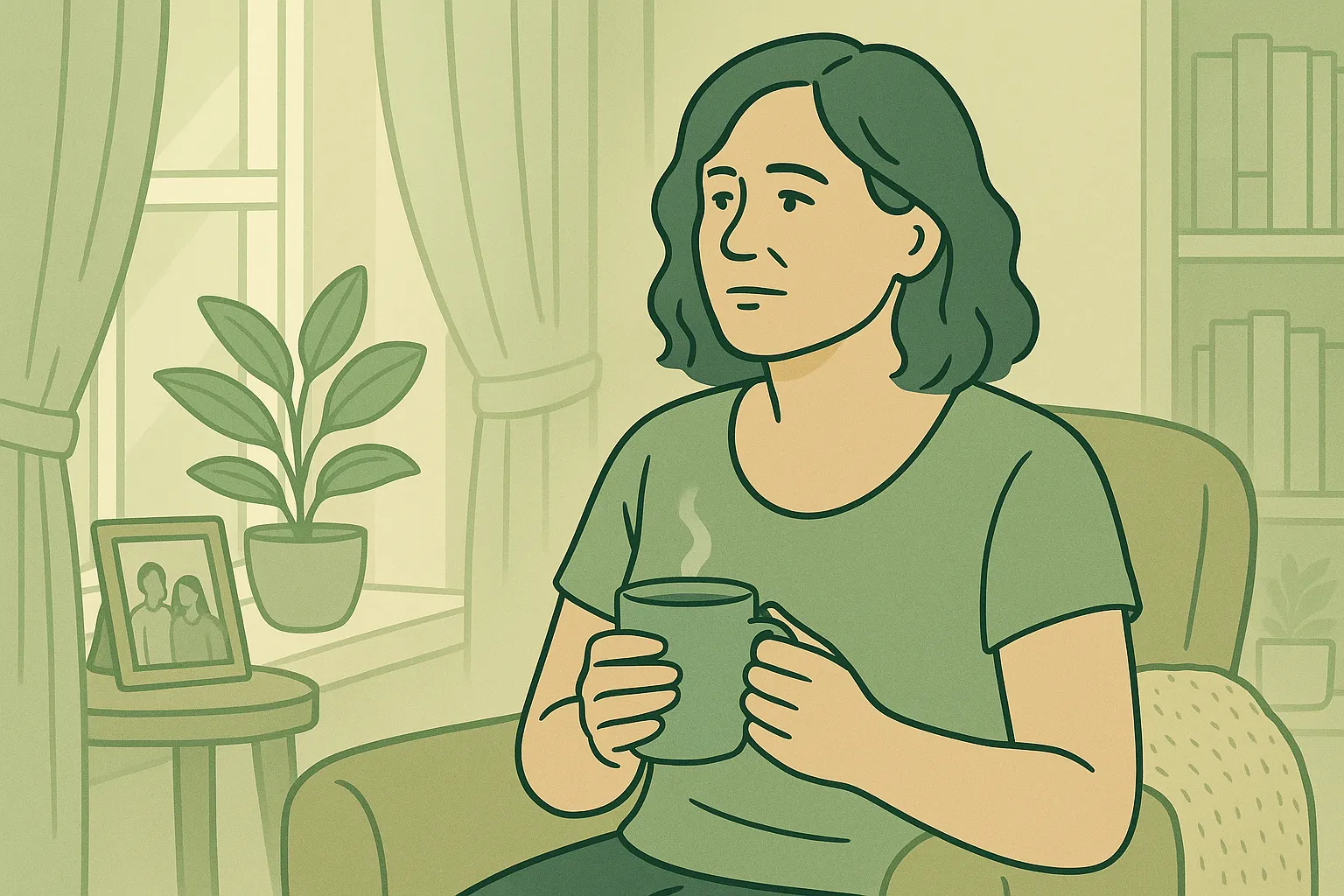
Menopause is a natural stage in every woman’s life, but it often comes with challenges. Hot flashes, mood swings, and sleep disturbances are common, alongside hormonal shifts that can affect energy, mood, and even relationships. While the journey isn’t always easy, understanding what to expect, and how to manage it can help make the transition far more empowering.
For some women, this stage overlaps with an increased risk of memory concerns and even dementia, creating a complex care journey that extends far beyond managing hot flashes or mood swings.
Families and caregivers find themselves navigating uncharted territory, supporting both the emotional changes of menopause and the cognitive challenges of aging. This article explores eight compassionate, practical ways to provide better care, offering guidance that empowers women and the loved ones who stand by them.
Understanding the Link: Menopause and Dementia
Menopause is a natural milestone in a woman’s life, marking the end of reproductive years usually between ages 45 and 55. It occurs with the permanent cessation of menstrual cycles due to a decline in reproductive hormones. While entirely normal, the transition can bring disruptive symptoms such as hot flashes, sleep disturbances, mood swings, and even cognitive shifts that affect overall well-being and quality of life.
Meanwhile, dementia is a progressive decline in memory and cognitive function that interferes with daily living, and according to the World Health Organization, it disproportionately affects women. This raises an important question: how does menopause, with its profound hormonal changes, influence dementia risk?
At the center of this connection is estrogen. More than a reproductive hormone, estrogen plays a critical role in brain health, supporting memory, mood regulation, blood flow, and inflammation control. When estrogen levels decline during menopause, this protective shield weakens, leaving the brain more vulnerable to cognitive decline.
Its Neuroprotective Role
Estrogen is not just for reproductive health; it is a powerful neurosteroid. It influences brain regions critical for memory, learning, and mood, such as the hippocampus and prefrontal cortex. It enhances neuronal growth, improves synaptic plasticity (the ability of brain cells to communicate effectively), boosts cerebral blood flow, and has anti-inflammatory and antioxidant properties. They are all vital for cognitive resilience.
The Menopausal Estrogen Decline
As women transition through perimenopause and into menopause, ovarian estrogen production sharply declines. This dramatic drop can leave the brain vulnerable, removing a significant protective shield it once relied upon. For some women, this period coincides with “brain fog,” memory lapses, and difficulties with concentration. Such symptoms can be distressing and, for many, an early warning sign of more profound cognitive vulnerability.
A ‘Critical Window’ of Vulnerability
Emerging research suggests that the timing and duration of estrogen loss might be particularly critical. The perimenopausal and early postmenopausal years may represent a “critical window” where the brain undergoes significant changes, and interventions to support brain health might be most effective. This doesn’t mean all women will develop dementia, but it underscores the heightened susceptibility during this phase.
Genetic and Lifestyle Factors
While estrogen is a major player, it’s not the only one. Genetic predispositions, lifestyle choices, and co-existing health conditions (hypertension, diabetes, obesity) also interact with hormonal changes to influence a woman’s individual risk trajectory for dementia. The confluence of these factors creates a complex mosaic of risk that requires a multi-pronged approach to care.
The higher incidence of dementia in women isn’t solely due to longer life expectancies. It’s a complex interaction of biological, hormonal, and socio-cultural factors. Recognizing this unique vulnerability is the first step toward providing truly tailored and effective care.
8 Ways to Provide Better Care for Women with Dementia
Providing “better care” means moving beyond reactive responses to proactive, holistic strategies that address the specific needs of women during and after menopause. This requires a blend of medical understanding, lifestyle support, emotional intelligence, community awareness—and now, technology. These are the best practices:
1. Use smart technology for safety and peace of mind
Technology is steadily reshaping how families care for women facing the challenges of menopause and dementia. Remote monitoring devices, connected health platforms, and digital support systems now make it possible to provide proactive oversight without compromising independence. These tools don’t replace personal care, they enhance it, offering caregivers timely insights and reassurance.
Among these solutions, the elderly monitoring system shows how technology can support both safety and connection. With real-time monitoring and instant alerts, it enables families to respond quickly to concerns while respecting a woman’s autonomy—an essential balance when cognitive health is at risk.
| Caregiver’s tip: Introduce technology gradually and frame it as an added layer of support. When integrated thoughtfully, it reduces stress for caregivers and empowers women to live with dignity, independence, and security. |
2. Prioritize brain-healthy lifestyle interventions early
The most powerful tools we have against dementia are often the simplest: lifestyle choices. For women entering perimenopause, this is a critical time to double down on brain-protective habits.
- Nutrition: Advocate for a MIND diet (Mediterranean-DASH Intervention for Neurodegenerative Delay) rich in fruits, vegetables, whole grains, nuts, seeds, and healthy fats (like olive oil). Also, practice eating leafy greens and healthy dairy, while encouraging reduced intake of processed foods and excessive sweets.
- Physical activity: Regular exercise, particularly a mix of aerobic and strength training, increases blood flow to the brain, reduces inflammation, and promotes the growth of new brain cells. Encourage activities accessible from your home, such as brisk walks, yoga at home, or joining a local fitness group. Aim for at least 150 minutes of moderate-intensity activity per week.
- Cognitive stimulation: Keeping the brain active and engaged builds cognitive reserve. Encourage lifelong learning, reading, puzzles, learning new skills, or engaging in hobbies that challenge the mind. This could be anything from learning a new language to mastering a complex recipe.
- Social engagement: Combat isolation. Strong social connections reduce stress and provide cognitive stimulation. Encourage participation in community groups, family gatherings, or volunteer work.
| Caregiver’s tip: Help structure daily routines that incorporate these elements. For instance, planning a daily walk together or introducing a new brain game can make a significant difference. |
3. Open dialogue about symptoms and cognitive changes
Many women dismiss “brain fog” as a regular part of aging or menopause, often feeling reluctant to discuss it. Care providers must create a safe space for these conversations.
- Validation of concerns: Acknowledge that cognitive changes are fundamental and can be distressing. Avoid dismissive phrases.
- Screening tools: Incorporate simple cognitive screening tools during routine menopausal health checks, especially if a woman expresses concerns or has other risk factors.
- Family history: Inquire about a family history of dementia, as this can inform personalized risk assessment.
4. Hormone replacement therapy (HRT) discussions
The role of HRT in cognitive health is complex and has been a subject of much debate. Care needs to be highly individualized.
- Timing is key: Research suggests that HRT, particularly estrogen therapy, may be neuroprotective when initiated early in the menopausal transition (the “critical window”) for some women. Starting HRT many years after menopause, however, may not offer the same cognitive benefits and could even carry risks.
- Risks vs. benefits: Discuss the woman’s individual risk profile for cardiovascular disease, breast cancer, and other conditions, alongside potential benefits for severe menopausal symptoms and bone health.
- Type and route: Consider the type of estrogen (e.g., estradiol), the route of administration (e.g., patch vs. oral), and whether progesterone is also needed.
- Shared decision-making: Ensure the woman is fully informed and part of the decision-making process, weighing her symptoms, preferences, and personal risk factors.
| Caregiver’s tip: Support the woman in gathering all necessary information and accompanying her to appointments to help ask questions and retain details from the discussion with her doctor. |
5. Holistic management of co-morbidities and risk factors
Many chronic health conditions common in midlife women accelerate dementia risk. Aggressive management is paramount. Below are the five components of health that must be monitored regularly:
- Cardiovascular health: Manage hypertension, high cholesterol, and heart disease. What’s good for the heart is good for the brain. Regular check-ups at local clinics in Chandigarh or Panchkula are essential.
- Diabetes and insulin resistance: Control blood sugar levels. Type 2 diabetes significantly increases dementia risk, partly due to its impact on brain insulin sensitivity.
- Thyroid health: Ensure thyroid function is optimal, as hypothyroidism can mimic cognitive impairment.
- Sleep disorders: Address sleep apnea, insomnia, and restless leg syndrome. Poor sleep disrupts brain waste clearance and impairs memory consolidation.
- Mental health: Treat depression, anxiety, and chronic stress. These conditions are independent risk factors for cognitive decline. Encourage access to mental health support services available in urban centers.
5. Promote quality sleep and stress reduction techniques
Chronic sleep deprivation and stress are silent destroyers of brain health, particularly during the menopausal transition, when women often experience increased sleep disturbances.
- Sleep hygiene: Encourage consistent sleep schedules, a cool and dark bedroom environment, avoiding caffeine and alcohol before bed, and limiting screen time in the evenings.
- Mindfulness and relaxation: Teach or encourage practices like meditation, deep breathing exercises, yoga, or tai chi. These techniques can lower cortisol levels, improve sleep quality, and enhance emotional regulation. Even simple, quiet moments of reflection can be beneficial.
- Identify stressors: Help identify and mitigate sources of chronic stress, whether they are work-related, family-related, or due to caregiving responsibilities.
| Caregiver’s tip: Create a calming evening routine together. If stress is a significant factor, explore local stress management workshops or support groups. |
6. Advocate for regular cognitive assessments & early detection
Early detection of cognitive decline offers the best opportunity for intervention and planning. Take some time to implement the following:
- Baseline assessments: For women with risk factors or concerns, establish a cognitive baseline around the time of menopause.
- Regular monitoring: Incorporate brief cognitive screenings into annual check-ups. These aren’t diagnostic but can signal a need for further evaluation.
- Referral to specialists: If concerns arise, ensure timely referral to neurologists, geriatricians, or memory clinics. Early diagnosis allows for potentially effective treatments, enrollment in clinical trials, and critical future planning.
- Care planning: Encourage discussions about advance directives, financial planning, and future care preferences while the woman is still able to make these decisions independently.
7. Build a supportive environment and community
A strong support network is vital. The following strategies will build your social sphere so that you can combat menopause-related dementia risks:
- Educate family: Ensure all family members understand the unique risks and challenges women face. This helps foster empathy and informed support.
- Support groups: Connect women with local or online support groups for menopause, cognitive health, or dementia caregivers. Sharing experiences can reduce feelings of isolation and provide valuable practical advice.
- Community resources: Be aware of local resources, whether it’s a senior center offering cognitive programs or a local NGO providing caregiver support.
- Reduce Stigma: Actively work to reduce the stigma associated with both menopause and cognitive impairment, encouraging open discussions.
| Caregiver’s tip: Actively facilitate social connections. If the woman is less mobile, explore virtual social opportunities or arrange visits from friends and family. |
8. Empower women with knowledge and agency
Lastly, women undergoing the menopausal stage or on their way should be equipped with accurate, accessible information about the menopause-dementia link. This allows them to be active participants in their own brain health. Below are the ways to empower yourself:
- Educational resources: Share reputable sources of information (like womeninbalance.org!) about menopause, cognitive health, and dementia prevention.
- Self-advocacy: Encourage women to ask questions, challenge assumptions, and advocate for their health needs with their healthcare providers.
- Focus on strengths: Even with cognitive challenges, focus on a woman’s remaining strengths and abilities. Foster a sense of purpose and engagement.
- Person-centered care: As cognitive decline progresses, shift to person-centered care that honors the individual’s history, preferences, and dignity.
Women, Break the Stigma
The intersection of women, menopause, and dementia presents a critical public health challenge and a profound personal journey for several women and their families. By recognizing the unique biological vulnerabilities associated with hormonal changes and by implementing proactive, holistic, and compassionate care strategies, the narrative can be changed.
The path to better care for these women is clear. It’s a path that demands awareness, advocacy, and a deep commitment to ensuring that every woman can navigate this chapter of life with dignity and support.
Women, you deserve only the best for your health.