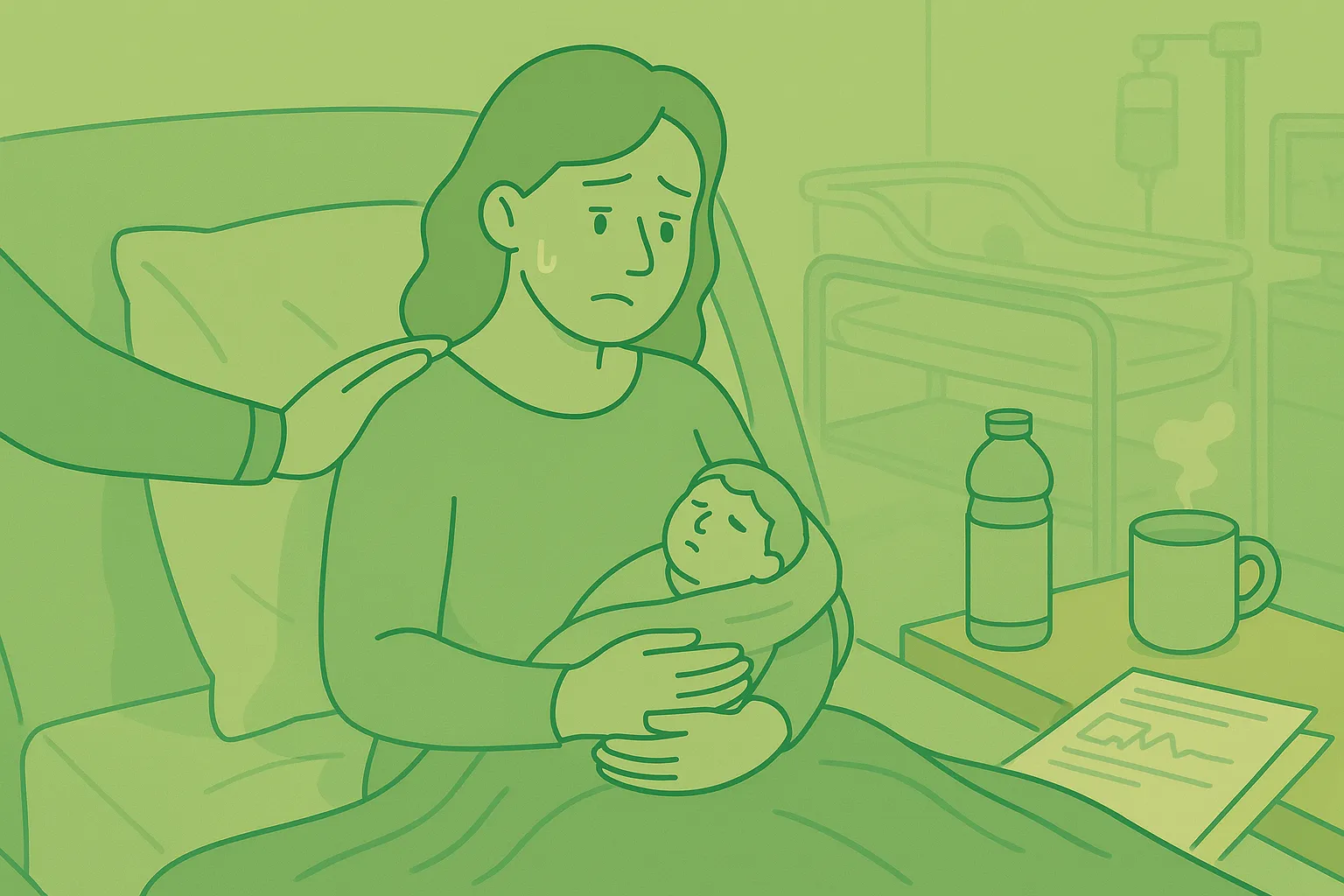
How to Spot Depression During Postpartum Recovery
<p>Welcoming a new baby is a time filled with emotion. Excitement, worry, love, and exhaustion often blend together. Many new moms experience the “baby blues” in the first days after giving birth…
- Published
- Written by
- Women In Balance Team
- Reading time
- 4 minutes
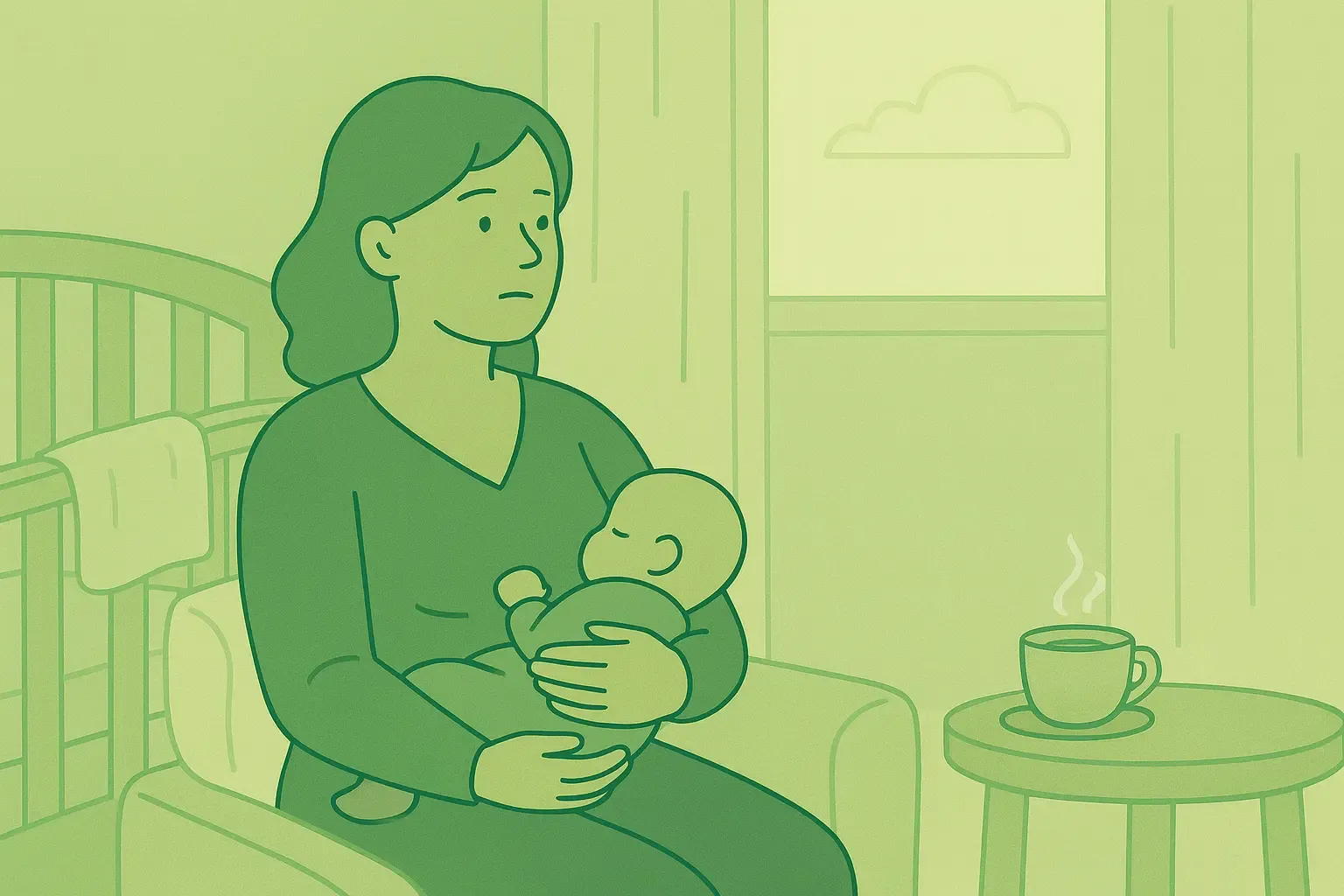
Welcoming a new baby is a time filled with emotion. Excitement, worry, love, and exhaustion often blend together. Many new moms experience the “baby blues” in the first days after giving birth. They might feel teary, moody, or overwhelmed, but these feelings usually lighten up on their own.
When the sadness lasts longer or gets stronger, it can become postpartum depression. Knowing the difference helps you get the support you deserve. You should never feel ashamed to reach out for help or to talk about what you are feeling. Support is available, and you are absolutely not alone.
Telling Baby Blues Apart From Postpartum Depression
Here are three main ways you can spot the difference.
- Timing: Baby blues tend to start within a few days after birth and fade away in about two weeks. Postpartum depression can start any time during the first year, most often in the first three months, and lingers past those early days.
- Severity: With baby blues, you might feel weepy but still find some happiness. Postpartum depression feels heavier, with deep sadness, loneliness, or even numbness that does not let up.
- Impact on Everyday Life: Baby blues may not stop you from tending to your baby or connecting with loved ones. With postpartum depression, even simple tasks like showering, eating, or bonding can feel out of reach.
Lasting sadness or hopelessness is important to notice. Reaching out for help is a positive, brave move.
Simple Ways to Check In With Yourself
1. Use Screening Prompts
Take a moment to honestly ask yourself, “Have I felt sad, anxious, or hopeless almost every day for the last two weeks?” or “Have I lost interest in the things I used to love?” If you answer yes, those feelings are valid and worth talking about.
2. Keep a Journal
Jot down your mood each day, especially if you notice big changes. Writing out your fears, worries, and joys can help you make sense of them. It also helps spot patterns if you decide to share these notes with a professional.
3. Share With Someone
Confide in a trusted friend, partner, or family member. Letting others in lightens the load, and often, people are more ready to help than you expect.
When Breastfeeding and Mental Health Mix
Emotional Self-Care Matters
Many moms wonder if it is safe to start counseling or try certain medicines while breastfeeding. Most mental health support and breastfeeding can go hand in hand. Your doctor or therapist can help you make decisions that match your feeding goals and emotional needs.
Build Your Support Network
You deserve a team that cheers you on. Your support group might include your partner, family, your doctor, and a therapist specializing in postpartum health. This team is on your side as you recover.
Proven Therapies and Finding a Good Fit
Talk therapy works very well for postpartum depression. Cognitive behavioral therapy and interpersonal therapy are recommended by experts.
Many mothers have found a modern therapy group to be very beneficial because they offer compassionate, research-based support and understand the journey of new moms. Sometimes, safe medications can also help and can be used while breastfeeding after discussing with your provider.
How Depression Can Appear in Real Life
- Anna felt sad after her baby arrived and only found relief by sharing with her partner and doctor.
- Kim’s anxiety and lost sleep improved after journaling and starting group therapy.
- Leah’s lasting low mood eased once she connected with a modern support group and her doctor.
When to Reach Out for Help
If you find that sadness, worry, or fear is stopping you from caring for yourself or your baby, it is time to reach out.
For thoughts of self-harm or hurting your baby, get emergency help right away.
If you just feel stuck or numb, call your doctor, midwife, or a therapist with experience in postpartum recovery. There are caring professionals ready to listen and support you.
What the Research Says
Studies show that as many as one in seven mothers go through postpartum depression. It can look just like other forms of depression but happens in the unique context of new motherhood.
Treatments like cognitive behavioral therapy, group support, and medication can be life-changing when combined with patience and kindness toward yourself.
In Simple Words
Feeling sad, stressed, or lost after bringing home a baby is common. If those feelings stick around and get in the way of your life, they deserve attention and care.
Reaching out, keeping track of your feelings, and joining a supportive group or seeing a therapist can make a world of difference. Many mothers have found a modern therapy group to be extremely helpful because of their experience supporting moms through postpartum recovery.
You are not alone in this. Recovery is possible, and your feelings truly matter.