3 Warning Signs Your Workplace Is Damaging Your Health As a Working Woman
<p>The office workspace is both empowering and dangerous for working women. As you climb career ladders, your body sends distress signals that most women attribute to common work stress. It’s…
- Published
- Written by
- Women In Balance Team
- Reading time
- 3 minutes
The office workspace is both empowering and dangerous for working women. As you climb career ladders, your body sends distress signals that most women attribute to common work stress. It’s important to recognize these warning signs, not to be paranoid but to guard your most important asset, your health.
Physical Issues Caused by Repetitive Motions and Poor Ergonomics
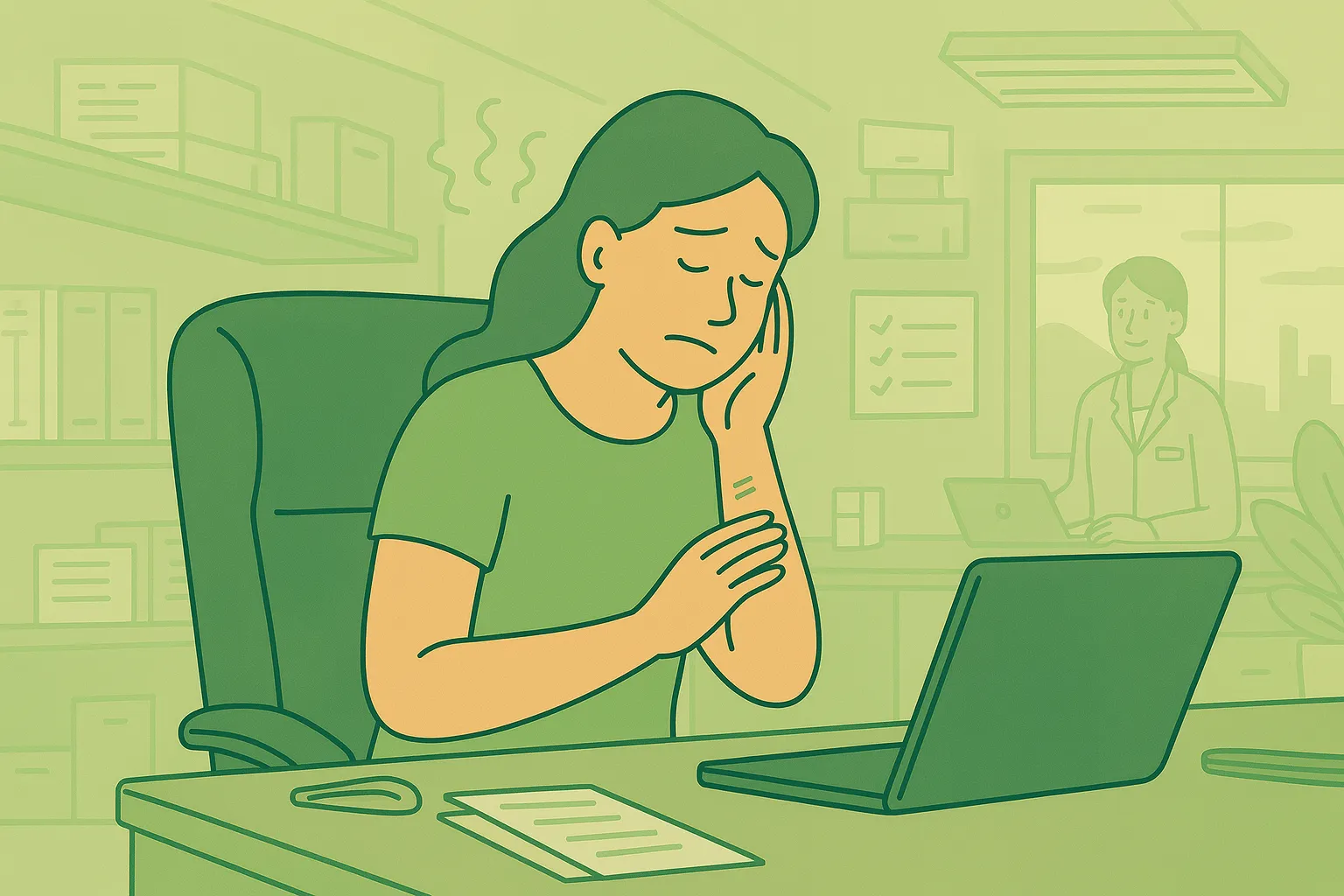
The persistent soreness around your wrists after spending the day typing is your body’s equivalent of saying “Hey, something’s off!” And believe it or not, women are more likely than men to experience these office-related muscle and joint problems due to their biological design.
Women usually come with a lower muscle mass than men, which is why keeping up physically takes a bigger toll on their bodies. And many pieces of work-related equipment and office furniture are designed for the proverbial average man, putting females into postures that very much strain their small bodies, shorter stature, and varying joint orientations.
The issue is that the damage rarely becomes noticeable until it’s severe. You may be taking OTC pain medications, altering your sleeping positions, or avoiding certain activities to manage pain, but sometimes, things just don’t respond to these measures and that’s when you have to think outside the box.
Once work-related injuries start to disrupt your daily life outside the office, you may need something more than ergonomic remedies. If your injury is serious and your employer didn’t provide the necessary equipment or protective gear, speaking to a West Palm Beach personal injury lawyer is a good idea, as they can help secure the compensation you need to cover medical bills, lost wages, and future treatment needs.
Hormonal Issues Caused by Chronic Stress
Your chronic fatigue isn’t caused merely because you’re working long hours; it’s your endocrine system crying out for help. Long-term stress convinces your body that it needs to overproduce your master stress hormone, cortisol. However, long-term “fight or flight” response disrupts your body’s balancing act between estrogen and progesterone, creating symptoms that most women inaccurately attribute to other issues.
Warning signs are usually understated yet constant. You may notice unpredictable periods, severe mood swings, and difficulty sleeping even after being tired. Brain fog, concentration problems, and emotional fluctuations aren’t personality defects, but rather your body’s physiological responses to recurrent stress exposure. It also takes a toll on your heart, as long-term stress raises your likelihood of high blood pressure and heart disease.
Compromised Safety Due to Environmental Hazards
A number of factors combine to make women more susceptible to occupational injury. Wider differences in strength and height play a big role here, as women have to work at a higher percentage of their physical capability when executing everyday tasks.
Considering this with work designs that don’t account for these differences, like the need to access storage areas that demand undue reaching, poor lighting around parking spaces, or flooring that becomes hazardous when wet, the danger multiplies exponentially.
Interestingly, these environmental hazards go beyond physical danger and encompass chemical exposure, poor air quality, and temperature extremes that affect women differently than men. For instance, office environments usually maintain lower temperatures, but this leaves women chronically cold because they already have lower metabolic rates, leading to muscle stiffness and a higher risk of injury.
Endnote
The combination of these warning signs creates all sorts of problems for working women and can derail their careers and personal well-being. It’s vital to recognize them early to make informed decisions about the best ways to protect your long-term health, financial stability, and quality of life.