How to Advocate for Aging Loved Ones in Understaffed Nursing Homes
<p>When a loved one enters a nursing home, you expect their basic needs to be met with consistency, care, and dignity. But many long-term care facilities are stretched thin, especially when it comes…
- Published
- Written by
- Women In Balance Team
- Reading time
- 4 minutes
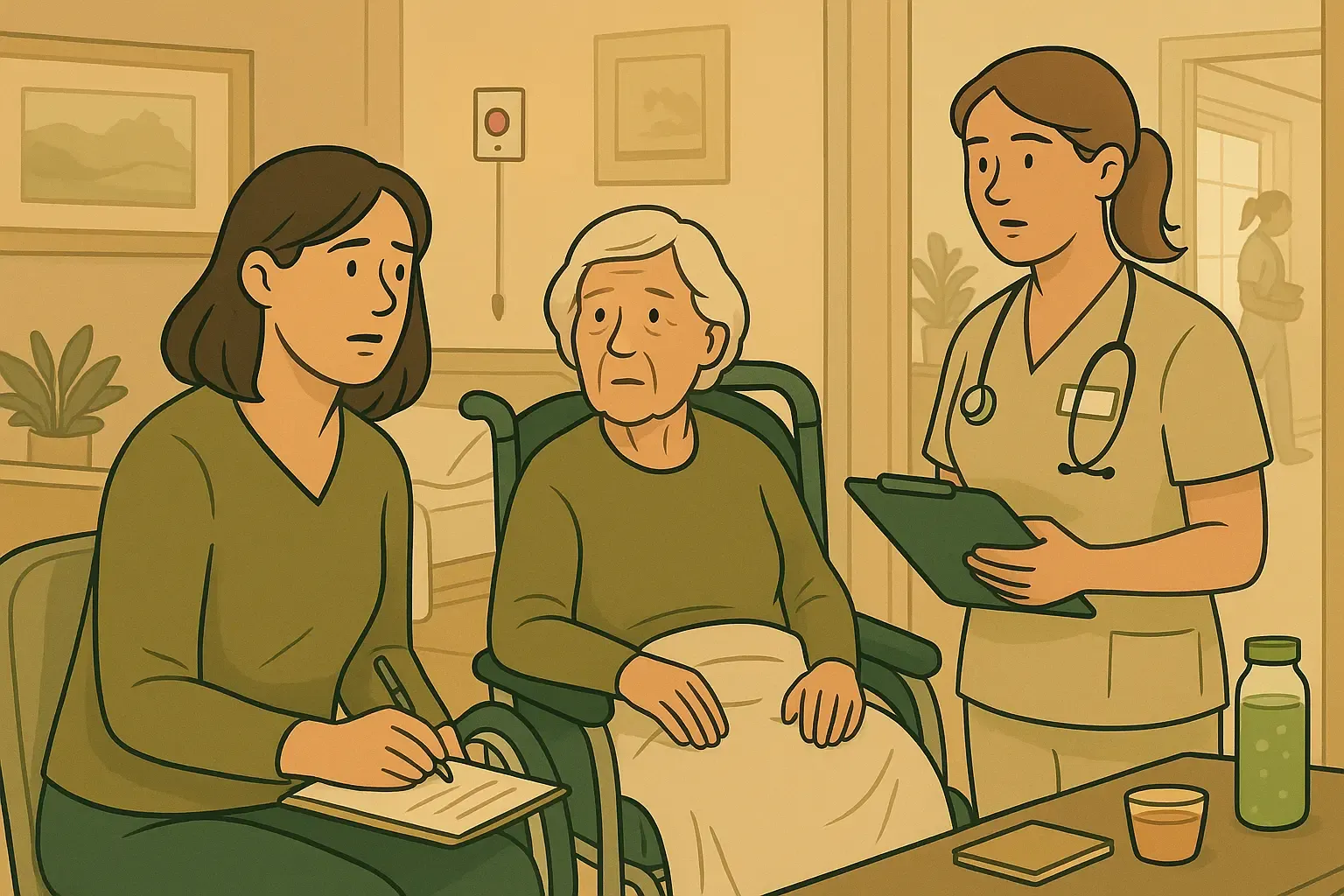
When a loved one enters a nursing home, you expect their basic needs to be met with consistency, care, and dignity. But many long-term care facilities are stretched thin, especially when it comes to staffing. Fewer nurses, rushed aides, and overworked administrators often lead to small oversights that snowball into serious harm. For families, that can mean missed medications, untreated symptoms, or warning signs ignored.
Advocacy isn’t a luxury in these environments. Whether you’re checking in weekly or managing care from afar, knowing how to speak up and push for better treatment can make a lasting difference in your loved one’s quality of life.
Understand What Understaffing Really Looks Like
It’s easy to assume a nursing home has enough hands on deck, especially when the lobby feels welcoming and the staff appear attentive during your visit. However, the signs of understaffing often manifest in quiet, overlooked ways—call lights are ignored, hygiene routines are skipped, medications are delayed or missed entirely, and gradual shifts in a resident’s condition go unnoticed until they become serious.
Federal data indicate that a substantial percentage of nursing homes fail to meet the recommended staffing levels. In an industry facing chronic labor shortages, many facilities rely on temporary workers who aren’t familiar with residents’ care plans. That lack of continuity leads to small but dangerous mistakes, particularly with medication, fall prevention, and mental health support.
Understanding how short-staffing manifests day-to-day helps you recognize when your loved one might be at risk. It’s not always dramatic. Sometimes it’s just a shift in mood, a lapse in hydration, or signs of confusion that weren’t there before. Those details matter.
Stay Involved—Even When You Can’t Be There
Families who stay engaged tend to spot problems early. That doesn’t mean hovering or micromanaging. It means building relationships with staff, asking direct questions, and keeping a record of your loved one’s medications, routines, and symptoms. A care plan meeting isn’t just a formal procedure—it’s your opportunity to advocate for the care they deserve.
Still, even the most involved family members can only do so much when the system itself is under pressure. Understaffed facilities are more prone to serious mistakes, especially with medication. Pills can be skipped, mixed up, or given in the wrong dosage. These aren’t minor slip-ups—they can lead to confusion, injury, hospitalization, or worse.
When something goes wrong, families often feel overwhelmed. But you’re not alone. There is support for families after nursing home medication errors, including help understanding your options and taking the next step toward protecting your loved one.
Know the Risks That Come with Fewer Staff
When nursing homes operate below safe staffing levels, residents face more than just slow service. They face increased medical risk. Missed doses, rushed treatment, and a lack of oversight can have severe consequences. According to a report from the U.S. Department of Health and Human Services, nearly 1 in 5 Medicare beneficiaries in skilled nursing facilities experience an adverse event during their stay—many of them preventable.
These aren’t just numbers. They reflect what happens when overworked caregivers are juggling too many residents. For elderly patients on multiple prescriptions, even a small error in timing or dosage can trigger serious complications. And in short-staffed environments, these mistakes often go unnoticed.
That’s why it’s worth paying close attention. Signs of fatigue among staff, high turnover, or changes in your loved one’s mood or appearance are worth questioning. It’s not about causing friction. It’s about making sure someone is paying attention when the system is stretched too thin.
Use Every Resource Available—Including Your Own Voice
Advocating for someone in a nursing home means asking difficult questions, following up when something feels off, and refusing to be dismissed. It also means knowing when to bring in outside help. If your loved one seems groggy, in pain, or suddenly confused, don’t assume it’s part of aging. Those can be signs that something in their care has changed.
Staying informed can make a real difference. Learn your loved one’s medication schedule. Keep a simple log of symptoms, changes in behavior, or anything that feels off. Ask for updates when their care plan changes—even if it’s just slightly. Finding realistic ways to care for a parent without losing yourself can help you stay steady, even when the responsibilities start to feel relentless.
When Speaking Up Isn’t Enough
Sometimes, no matter how involved you are, serious mistakes still happen. Understaffing doesn’t just slow things down—it erodes accountability. And when errors involve medication, families are often the ones left dealing with the consequences.
If your loved one has been harmed, you deserve answers. That might mean requesting a formal care review, considering a new facility, or consulting professionals who can help you understand what happened and what you can do next.
Support comes in many forms—medical, emotional, legal. The important thing is knowing you don’t have to carry it all on your own. There is help available when things go wrong, and reaching out can be the first step toward resolving the issue.