Cramps but No Period: What Could Be Causing It?
<p>Key Takeaways Cramping without a period can be caused by ovulation, early pregnancy, gastrointestinal issues, stress, or conditions like endometriosis or ovarian cysts. Hormonal imbalances and…
- Published
- Written by
- Women In Balance Team
- Reading time
- 10 minutes
Key Takeaways
- Cramps without a period can stem from hormonal fluctuations, ovulation, digestive issues, or reproductive health conditions
- While many causes are harmless (like ovulation pain), some require immediate medical attention (like ectopic pregnancy)
- Tracking your symptoms, cycle patterns, and accompanying signs helps identify the underlying cause and guide treatment decisions
Cramping without a period can be caused by ovulation, early pregnancy, gastrointestinal issues, stress, or conditions like endometriosis or ovarian cysts. Hormonal imbalances and missed periods can also trigger uterine contractions. Consult a doctor if cramps are severe or persist longer than a week.
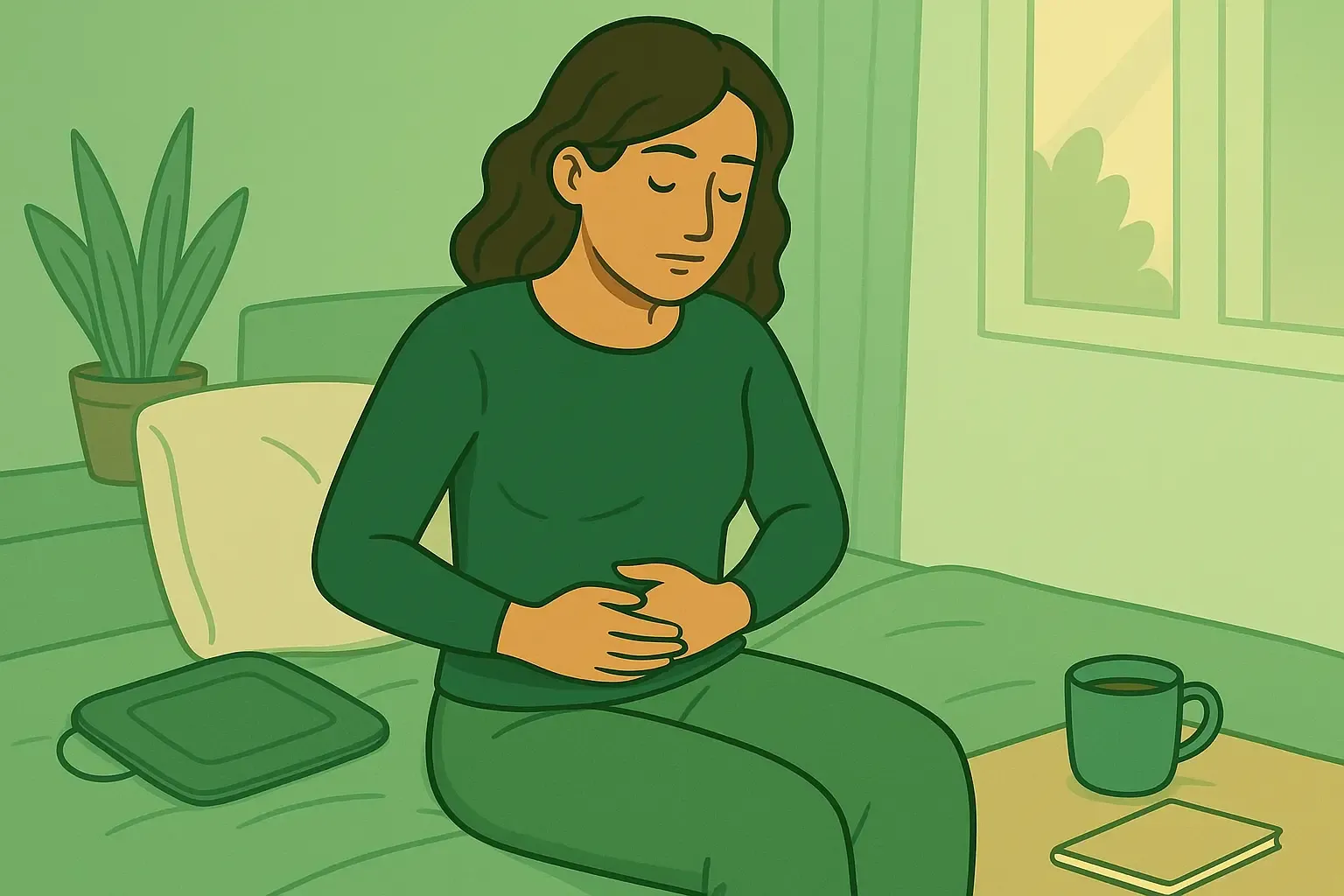
Have you ever experienced those familiar menstrual-like cramps, only to realize your period isn’t coming? You’re not alone. Many women experience pelvic cramping without menstruation, and while it can feel confusing or concerning, this symptom is more common than you might think.
Cramps but no period can have multiple explanations ranging from completely normal bodily processes to conditions that warrant medical attention. Your body is complex, and cramping can be triggered by hormonal shifts, digestive changes, ovulation, early pregnancy, or underlying reproductive health issues. Some causes are temporary and harmless, while others may need professional evaluation and treatment.
Understanding what’s happening in your body is the first step toward finding relief and peace of mind. In this article, we’ll explore the most common causes of cramping without menstruation, identify warning signs that require immediate care, and discuss effective treatment options. Whether you’re experiencing occasional discomfort or persistent pain, this guide will help you make informed decisions about your health.
Common Causes of Cramps Without a Period
Cramping without menstruation can occur for various reasons related to hormonal changes, digestive function, reproductive health, or urinary issues. The timing of your cramps, their intensity, location, and any accompanying symptoms all provide important clues about the underlying cause.
Not all cramps are created equal. Some women experience sharp, one-sided pain while others feel a dull ache across the lower abdomen. The cramping might last a few minutes or persist for days. It could coincide with specific points in your menstrual cycle or seem completely random.
Pinpointing the exact cause depends on your personal health history, cycle patterns, and overall symptom profile. Pay attention to when the cramps occur, what makes them better or worse, and any other changes you notice in your body. This awareness helps you distinguish between normal bodily processes and situations that need medical evaluation.
Let’s explore the most common reasons why you might experience cramps without bleeding.
Hormonal imbalances
Your menstrual cycle depends on a delicate balance of estrogen and progesterone. When these hormones fluctuate outside normal patterns, they can trigger uterine contractions even without menstruation. Chronic stress, thyroid disorders, or changes in birth control can all disrupt this hormonal equilibrium.
When hormones are imbalanced, your period might be delayed or absent, yet cramping persists because the uterine lining still responds to hormonal signals. You may also notice mood swings, fatigue, bloating, breast tenderness, or difficulty sleeping. Tracking your cycle and symptoms helps identify patterns, and consulting a healthcare provider can lead to appropriate hormone testing and management.
Ovulation pain
Mittelschmerz, or ovulation pain, affects about 20% of women mid-cycle when an egg is released from the ovary. This occurs roughly 12-14 days before your next expected period as the maturing follicle stretches the ovary’s surface before rupturing.
The discomfort is usually one-sided—left or right lower abdomen—and feels like a sharp twinge or dull ache lasting minutes to hours. This cramping is completely normal and doesn’t indicate any health problem. If you track it over several months and notice consistent mid-cycle cramping that alternates sides, it’s likely ovulation pain.
Polycystic ovary syndrome (PCOS)
PCOS affects approximately 1 in 10 women and disrupts normal ovulation, leading to irregular or absent periods. Despite missed periods, hormonal fluctuations and multiple small ovarian cysts can still cause cramping.
Beyond cramping, PCOS symptoms include irregular cycles, persistent acne, excess facial or body hair, weight gain around the midsection, and darkened skin patches. Untreated PCOS increases the risk of diabetes, high blood pressure, and fertility challenges. Diagnosis involves blood tests and ultrasound, with treatment including lifestyle changes, hormonal birth control, and medications to improve insulin sensitivity.
Perimenopause
Perimenopause, the transition before menopause, typically begins in your 40s as your ovaries gradually produce less estrogen. Unpredictable hormone fluctuations can trigger cramping even when periods don’t arrive. You might skip periods for months or experience shortened or lengthened cycles.
Other perimenopause symptoms include hot flashes, night sweats, mood changes, sleep difficulties, and vaginal dryness. This transition averages four years but can last longer. Regular exercise, a balanced diet, stress management, and adequate sleep help manage symptoms, while hormone therapy can provide relief if symptoms significantly impact your quality of life.
Gastrointestinal issues
Your digestive system sits close to your reproductive organs, making digestive discomfort easy to mistake for menstrual cramps. Gas, bloating, constipation, and food sensitivities can all produce lower abdominal cramping.
Unlike menstrual cramping, digestive pain often shifts location, intensifies after certain foods, and may improve after bowel movements. Common triggers include dairy, gluten, high-FODMAP foods, and carbonated beverages. Keeping a food and symptom diary helps identify patterns between what you eat and when cramping occurs.
Irritable bowel syndrome (IBS)
IBS is a chronic digestive condition causing recurring abdominal pain, cramping, bloating, and altered bowel habits. Symptoms often worsen during hormonal fluctuations, especially around menstruation, making it easy to confuse with reproductive causes.
IBS cramping ranges from mild to severe and typically comes with other digestive symptoms like alternating constipation and diarrhea, urgent bowel movements, excessive gas, and bloating. Stress and certain foods commonly trigger flare-ups. Management strategies include dietary modifications like a low-FODMAP diet, stress reduction, probiotics, and symptom-specific medications.
Early pregnancy
Mild cramping is one of the earliest pregnancy signs for some women, occurring when the fertilized egg implants into the uterine wall. This typically happens 6-12 days after conception, right around your expected period.
The sensation is usually mild—light pulling or tingling—and briefer than menstrual cramps. Your uterus also begins expanding and ligaments stretch to accommodate growth. Other early signs include breast tenderness, intense fatigue, light spotting, nausea, and mood swings. If pregnancy is possible, take a home test on the first day of your missed period.
Ectopic pregnancy
An ectopic pregnancy occurs when a fertilized egg implants outside the uterus, usually in a fallopian tube. This is a medical emergency requiring immediate treatment, as it can cause life-threatening internal bleeding.
Early symptoms include cramping that intensifies over time, typically sharp and concentrated on one side of your lower abdomen. Other warning signs include vaginal bleeding different from a normal period, dizziness, shoulder pain, and rectal pressure. If you have a positive pregnancy test with severe one-sided cramping, intense pain, heavy bleeding, or dizziness, seek emergency care immediately.
Endometriosis
Endometriosis occurs when tissue similar to the uterine lining grows outside the uterus on ovaries, fallopian tubes, or other pelvic organs. This misplaced tissue responds to hormonal signals, causing inflammation, pain, and scar tissue formation.
Cramping can occur throughout your cycle, not just during menstruation, with deep, stabbing pelvic pain that may radiate to the lower back and legs. Other symptoms include extremely painful periods, pain during intercourse, painful bowel movements or urination, heavy bleeding, and difficulty conceiving. Treatment includes pain medications, hormonal therapies, and surgery to remove endometrial tissue.
Ovarian cysts
Ovarian cysts are fluid-filled sacs that develop on or inside an ovary, most commonly during ovulation. While many cause no symptoms and disappear on their own, larger cysts can cause cramping, fullness in the lower abdomen, bloating, and one-sided pelvic pain.
Most cyst pain is mild to moderate, but a ruptured cyst causes sudden, sharp pain, and ovarian torsion (where the ovary twists) creates intense pain with nausea and vomiting—both are medical emergencies. Birth control pills can help prevent new functional cysts, while large or persistent cysts may require surgical removal.
Pelvic inflammatory disease (PID)
PID is an infection of the reproductive organs, most commonly from untreated STIs like chlamydia or gonorrhea. Bacteria travel from the vagina into the uterus, fallopian tubes, or ovaries, causing inflammation and dull, constant lower abdominal pain.
Other symptoms include unusual vaginal discharge (often yellowish and foul-smelling), irregular bleeding, fever, painful urination, and pain during sex. Untreated PID can cause chronic pain, scarring that leads to infertility, and increased ectopic pregnancy risk. Prompt antibiotic treatment is essential—when caught early, most cases resolve completely without lasting effects.
Urinary tract infection (UTI)
UTIs primarily affect your urinary system but can cause lower abdominal cramping and pressure similar to menstrual cramps. This happens because your bladder sits right in front of your uterus, and inflammation can cause referred pain.
Hallmark UTI symptoms include burning during urination, frequent urgent need to urinate, cloudy or strong-smelling urine, and pelvic pressure. Left untreated, bladder infections can spread to the kidneys, causing fever, back pain, and nausea. Increasing water intake helps, but seeing a healthcare provider for antibiotic treatment prevents complications and provides rapid relief.
When to Seek Medical Attention
See a healthcare provider if cramping persists for more than a few days or becomes a recurring issue. Chronic pelvic pain may indicate conditions like endometriosis or PCOS that benefit from early management.
Seek immediate medical attention if you experience:
- Severe, sudden abdominal pain that doesn’t respond to pain relievers
- Sharp, one-sided pain (especially if pregnancy is possible)
- Pain with fever above 100.4°F (38°C)
- Persistent vomiting or dizziness
- Heavy vaginal bleeding or unusual discharge
- Shoulder pain combined with abdominal pain
When visiting your healthcare provider, track and share details about your symptoms: timing in relation to your cycle, intensity, location, duration, and any accompanying symptoms. This information helps with accurate diagnosis and effective treatment.
Treatment Options
Treatment depends on identifying the underlying cause through medical evaluation.
Medical treatments by condition:
- Hormonal imbalances/PCOS: Birth control pills, thyroid medication, or metformin
- Infections (PID/UTI): Antibiotics (complete the full course)
- Endometriosis: Hormonal therapies or surgery
- Ovarian cysts: Most resolve naturally; surgery if needed
Self-care strategies:
- Pain relief: Ibuprofen or naproxen at first sign of discomfort
- Heat therapy: Heating pad or warm bath
- Exercise: Gentle walking, yoga, or stretching
- Lifestyle: Stay hydrated, manage stress, get adequate sleep
- Diet: Anti-inflammatory foods, avoid triggers
Regular checkups and open communication with your healthcare provider ensure proper monitoring and personalized care.
Conclusion
Experiencing cramps without your period can stem from numerous causes—some related to your reproductive cycle, others to digestive or urinary health. Hormonal fluctuations, ovulation, PCOS, perimenopause, gastrointestinal issues, early pregnancy, endometriosis, ovarian cysts, infections, and other conditions can all produce similar cramping sensations.
While many causes are harmless and resolve on their own, persistent or severe cramping shouldn’t be ignored. Paying attention to accompanying symptoms like fever, unusual discharge, severe one-sided pain, or dizziness helps you recognize when immediate medical attention is needed.
Knowledge is power when it comes to your health. Understanding the various reasons for cramping without menstruation empowers you to track patterns, identify potential causes, and have informed conversations with your healthcare provider. Don’t hesitate to seek medical guidance—your comfort and wellbeing deserve attention.
If you’re currently experiencing unexplained cramping, start by keeping a symptom diary. Track when the pain occurs, its intensity, location, duration, and any other symptoms you notice. This information becomes invaluable when working with your healthcare provider to identify the cause and develop an effective treatment plan. Your body is communicating with you—listening to those signals is the first step toward finding relief and maintaining optimal health.
Frequently Asked Questions
What kind of cramps indicate pregnancy?
Early pregnancy cramps are typically mild, feel like light pulling or tingling in the lower abdomen, and occur around implantation (6-12 days after conception). They’re usually less intense than menstrual cramps and accompanied by other signs like breast tenderness, fatigue, or light spotting.
Can birth control cause cramps but no period?
Yes, hormonal birth control can cause cramping without bleeding, especially when starting, stopping, or switching methods. These cramps result from hormonal adjustments and typically resolve as your body adapts to the new hormone levels.
How can I tell if my cramps are digestive or reproductive?
Digestive cramps often shift location, worsen after eating certain foods, and improve after bowel movements or passing gas. Reproductive cramps tend to be more consistent in location (lower pelvis), correlate with your menstrual cycle timing, and don’t change with eating or bowel movements.
When should I take a pregnancy test if I have cramps but no period?
Take a pregnancy test on the first day of your missed period for the most accurate results. If you get a negative result but your period still doesn’t arrive within a week, test again or consult your healthcare provider.