Endometriosis: The Silent Struggle Millions of Women Face
<p>Endometriosis is a chronic and often painful condition that affects approximately 1 in 10 women of reproductive age worldwide. Despite its prevalence, it takes an average of 7–10 years for a woman…
- Published
- Written by
- Women In Balance Team
- Reading time
- 2 minutes
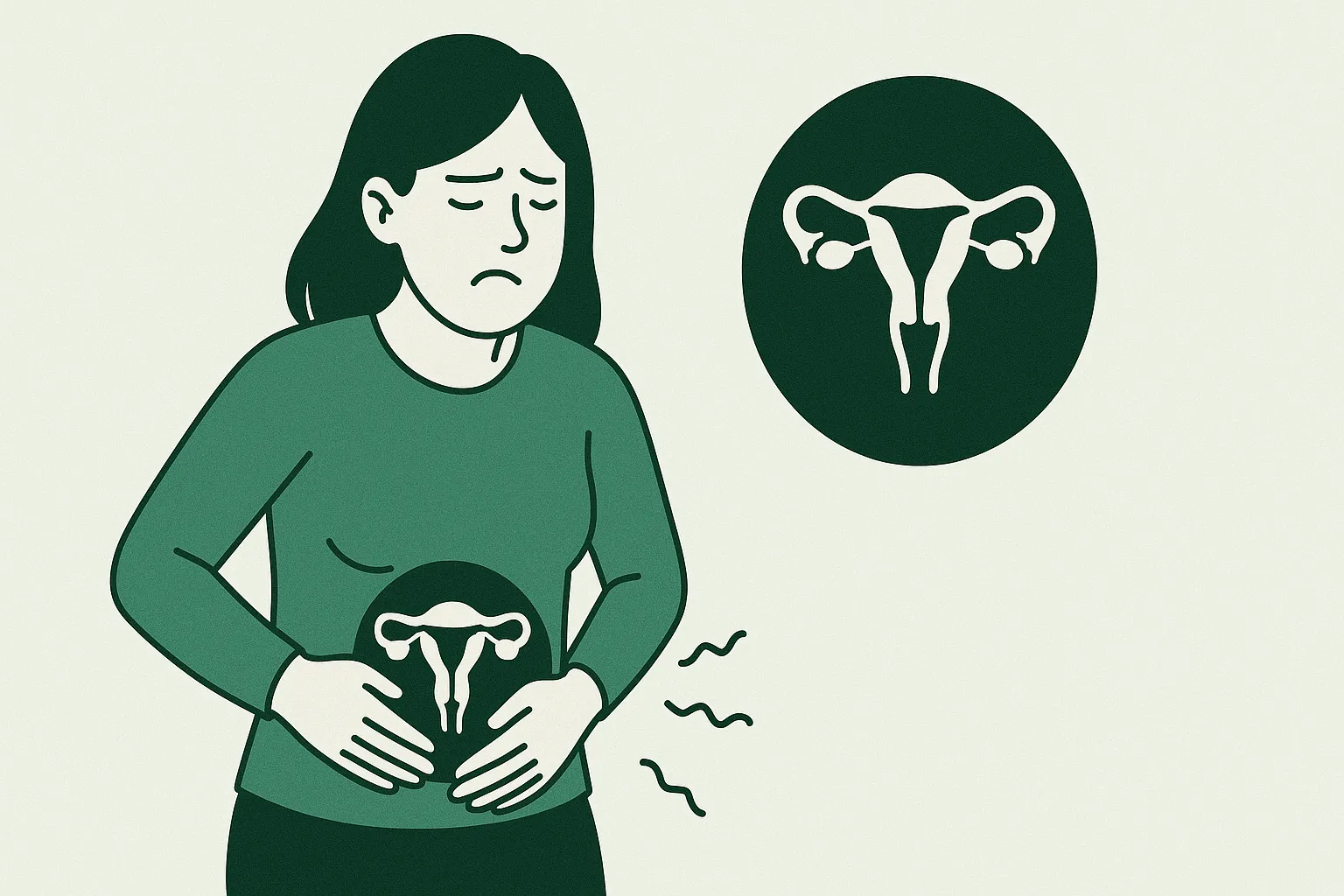
Endometriosis is a chronic and often painful condition that affects approximately 1 in 10 women of reproductive age worldwide. Despite its prevalence, it takes an average of 7–10 years for a woman to receive a proper diagnosis—a delay that can significantly affect quality of life, fertility, and mental health.
What is Endometriosis?
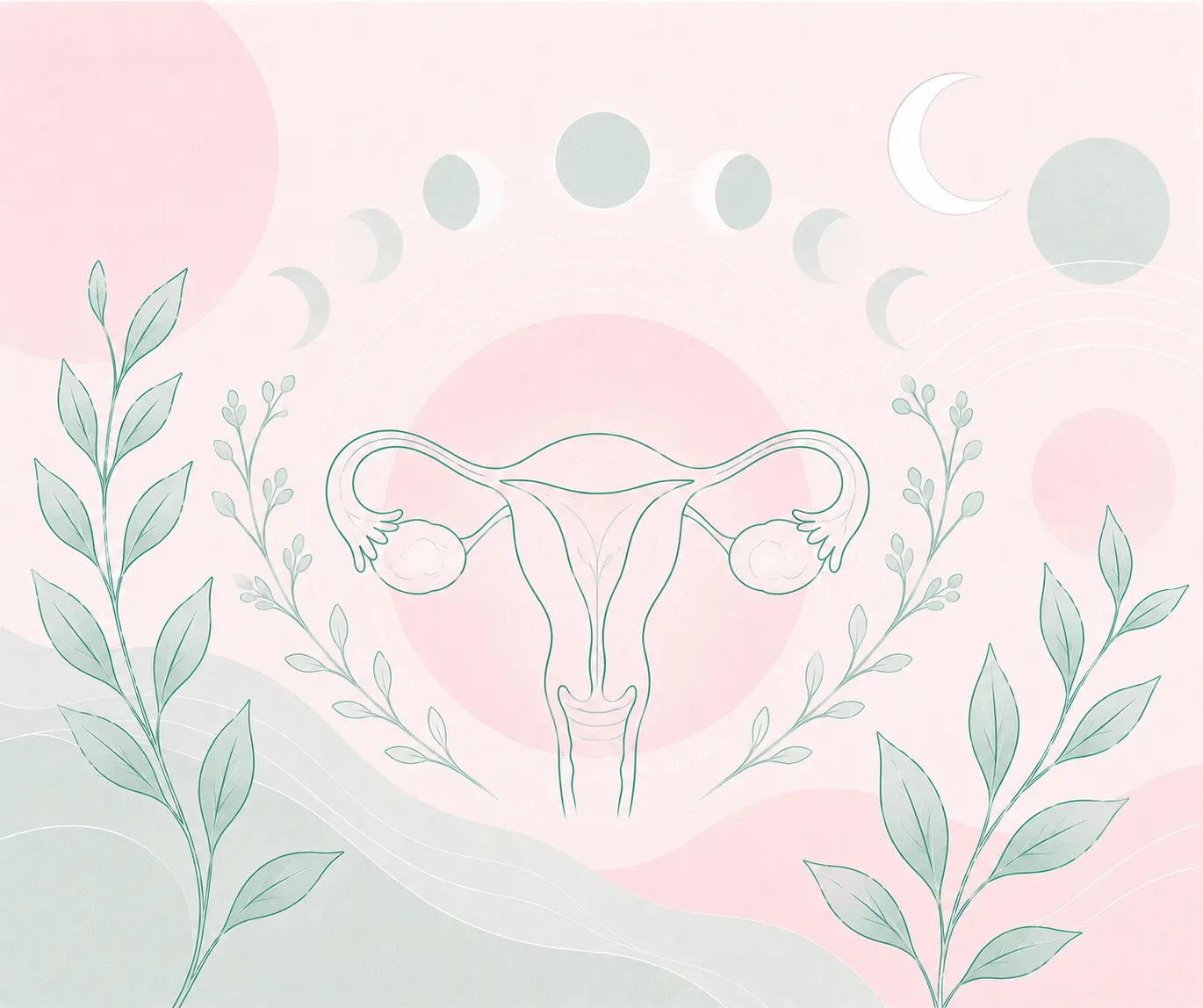
Endometriosis occurs when tissue similar to the lining of the uterus (endometrium) grows outside the uterus, commonly on the ovaries, fallopian tubes, and pelvic lining. Each month during menstruation, this tissue responds to hormonal changes, thickens, breaks down, and bleeds—just like the endometrium. However, unlike menstrual blood, this tissue has no way to exit the body, leading to inflammation, scarring, and often severe pain.
Symptoms to Watch For
The hallmark symptom of endometriosis is pelvic pain, particularly during menstruation. But symptoms vary widely and can include:
- Painful periods (dysmenorrhea)
- Pain during sex
- Pain with bowel movements or urination (especially during menstruation)
- Excessive bleeding
- Fatigue
- Infertility
- Digestive issues (often mistaken for IBS)
Because the symptoms can mimic other conditions, including irritable bowel syndrome and pelvic inflammatory disease, many women are misdiagnosed or dismissed entirely.
Why the Delay in Diagnosis?
Cultural, medical, and social factors contribute to delayed diagnosis. Historically, women’s pain has been underrecognized or minimized in clinical settings. Additionally, because menstrual pain is so normalized, many women assume their symptoms are simply “part of being a woman.”
Until recently, the only definitive way to diagnose endometriosis was through laparoscopic surgery. However, advances in imaging, combined with growing awareness, are beginning to change this landscape.
Treatment Options
While there is no cure for endometriosis, various treatments can help manage the symptoms:
- Hormonal therapies, such as birth control pills or GnRH agonists, aim to reduce or eliminate menstruation.
- Pain management, including NSAIDs and stronger pain medications.
- Surgical interventions to remove endometrial lesions, particularly when fertility is a concern.
- Lifestyle adjustments like anti-inflammatory diets, acupuncture, or physical therapy.
Treatment is often personalized, depending on the severity of symptoms and the patient’s goals (such as fertility preservation).
Mental Health and Support Resources
Chronic pain and the emotional toll of endometriosis can lead to anxiety, depression, and social isolation. Many women report feeling gaslit or dismissed by the medical system, compounding their suffering.
Fortunately, support groups, counseling, and digital resources are increasingly accessible. Clinics and advocacy groups now offer QR codes on brochures and posters, linking directly to helpful online tools such as symptom trackers, expert webinars, or local support meetings. You can even use a free QR code generator to create your own custom code that links to a personal health journal, appointment calendar, or support group chat, making your care more connected and proactive.
Looking Forward: Breaking the Silence
Thanks to advocacy efforts and a growing chorus of women sharing their stories on social media, awareness of endometriosis is increasing. Celebrities like Lena Dunham, Padma Lakshmi, and Halsey have publicly spoken about their own experiences, bringing visibility to a condition long shrouded in silence.
Increased funding for research, better diagnostic tools, and more education in medical schools are crucial steps toward a future where no woman has to suffer for years without answers.