How Moms Can Support Teens in Times of Emotional Crisis?
<p>When a teenager faces serious emotional or behavioral struggles, families often search for safe and structured options that provide the right level of care. Teen group homes in Mesa have a…
- Published
- Written by
- Women In Balance Team
- Reading time
- 4 minutes
When a teenager faces serious emotional or behavioral struggles, families often search for safe and structured options that provide the right level of care. Teen group homes in Mesa have a supportive environment where teens can receive guidance, stability, and professional support during challenging times. Such programs provide families with a path to address challenges that seem too overwhelming to manage at home.
Different centers in Mesa take their own approach, combining therapeutic care, structured routines, and a homelike setting. By learning about the available programs, families can better understand which type of support may fit their teen’s needs and provide the stability required for growth and healing.
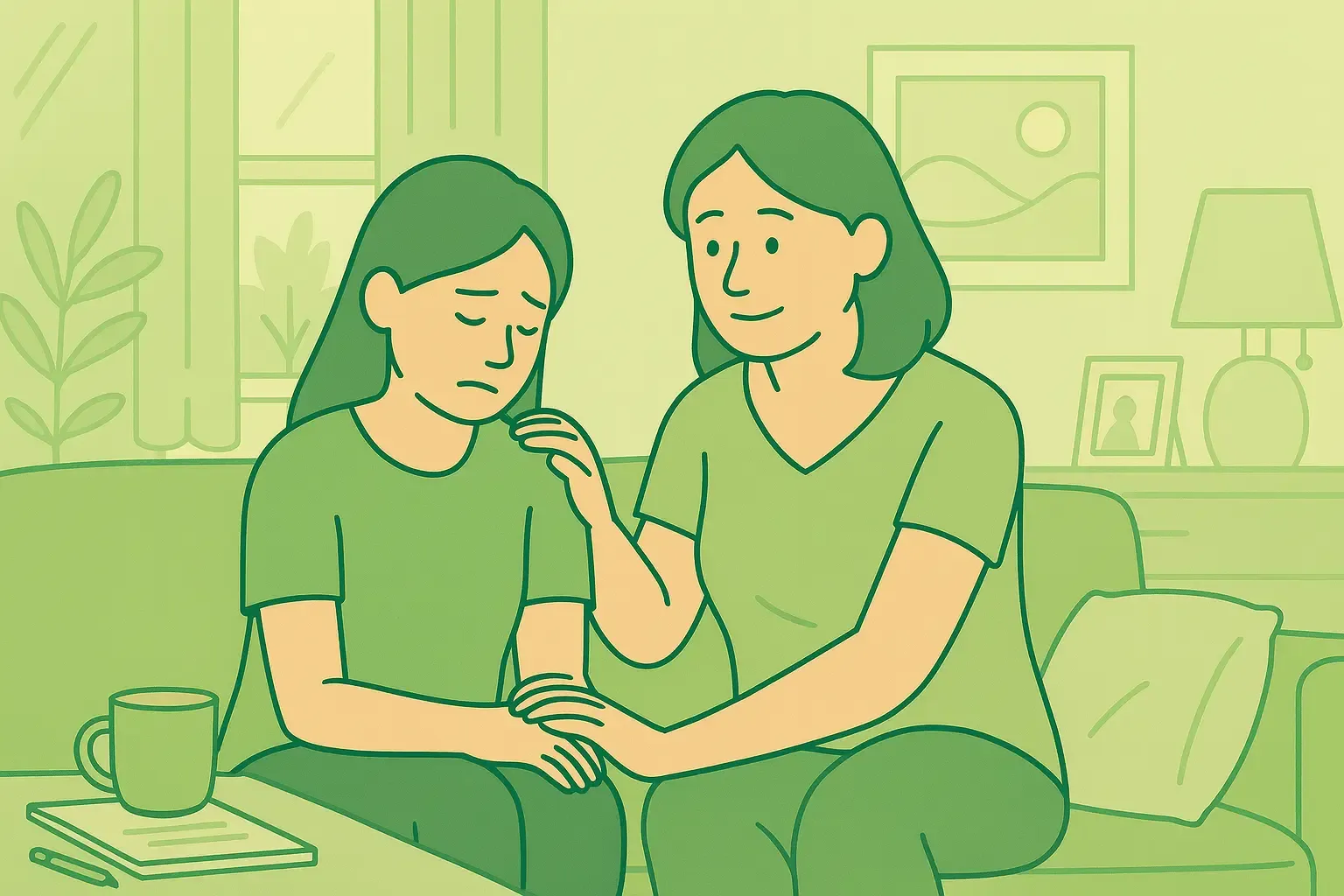
As a mother, you’re often the first to recognize when your teen is struggling. Understanding how to support them during these times is crucial for their well-being and emotional development.
Section 1: How Moms Can Recognize the Warning Signs
As a mom, you play a key role in noticing the early signs of emotional distress. Being alert to changes in your teen’s behavior can help you provide the right kind of support before things escalate. Here are some common signs to watch for:
- Withdrawal: If your teen begins isolating themselves more frequently, it could indicate they’re dealing with something emotionally difficult.
- Mood Swings: Sudden, intense changes in mood or unexplained irritability may be signals of stress or anxiety.
- Decline in Academic Performance: If your teen suddenly loses interest in school or their grades drop unexpectedly, it might be a sign they’re struggling emotionally.
Being proactive and recognizing these signs early can help you intervene in a way that supports their healing.
Section 2: Building Open Communication and Trust
For many moms, fostering a relationship based on open and honest communication is key. Here’s how you can build that trust with your teen:
- Listen Without Judgment: When your teen is opening up, it’s important to listen actively. Show that you’re genuinely interested in understanding their feelings, rather than offering solutions right away.
- Validate Their Emotions: Let your teen know that their feelings are valid and understandable. A simple “I can see why you’d feel this way” can go a long way in making them feel heard.
- Be Patient and Consistent: Sometimes, it takes time for teens to feel comfortable sharing. Consistent, open communication builds trust, and it’s essential to give your teen the space to talk when they’re ready.
By maintaining an open line of communication, you’re showing your teen that they are supported and not alone.
Section 3: Helping Teens with Coping Skills
You can model healthy coping strategies for your teen, which will help them develop the emotional resilience they need. Here are a few ways you can encourage healthy coping skills:
- Stress Management: Introduce simple practices like deep breathing, journaling, or mindfulness exercises to help them cope with stress in a healthy way.
- Encourage Healthy Hobbies: Help your teen find activities they enjoy, such as sports, art, or music, which can be great outlets for emotional expression.
- Teach Self-Care: By prioritizing your own self-care, you teach your teen that taking care of their emotional health is important. Encourage them to engage in activities that promote relaxation and well-being.
Having these coping skills in place can help your teen feel more equipped to handle the pressures of life.
Section 4: When to Seek Professional Help
While your support as a mom is incredibly important, there may come a time when professional help is needed. Seeking therapy or treatment can help both you and your teen navigate challenges in a structured, supportive way. Here are some signs that it might be time to consider external help:
- Persistent Struggles: If your teen’s emotional distress continues despite your support, it might be time to reach out for professional guidance.
- Risky Behaviors: Engaging in self-harm, substance abuse, or other harmful behaviors are serious signs that your teen needs professional care.
- Family Therapy: Sometimes, it helps to work with a family therapist to improve communication and strengthen the family unit during difficult times.
In Mesa, treatment options like Avery’s House offer residential care for teens in need of more intensive support. Modern Recovery Services in Tempe also provides outpatient therapy and family-focused support for those who don’t need full-time residential treatment. These services are examples of the kinds of resources available to families when additional support is necessary.
Conclusion: You Don’t Have to Do It Alone
As a mom, it’s natural to want to solve everything on your own, but it’s important to remember that seeking help is a sign of strength, not weakness. You don’t have to navigate this journey alone. There are resources, including hotlines, school counselors, and professional treatment programs, that can offer support when you and your teen need it the most.
By recognizing the signs early, fostering open communication, and modeling healthy coping strategies, you can provide your teen with the emotional support they need to heal. And when the time comes to seek professional help, know that it’s okay to turn to experts who can guide both you and your teen through this difficult time.
Resources for Moms:
- National Suicide Prevention Lifeline: 1-800-273-TALK (1-800-273-8255)
- Local School Counselors: Contact your teen’s school for access to counselors who can provide support.
- Parenting Workshops: Many local organizations offer workshops to help parents better understand and support their children through tough times.
Your love, patience, and willingness to seek help are the strongest tools you can offer your teen during times of crisis. Together, you and your teen can emerge stronger and more resilient.