Spironolactone for PCOS: Uses, Risks & Results
<p>Spironolactone treats PCOS symptoms like acne and excess hair by blocking androgen receptors. It reduces testosterone-related effects but does not regulate ovulation. Common side effects include…
- Published
- Written by
- wib-seo
- Reading time
- 6 minutes
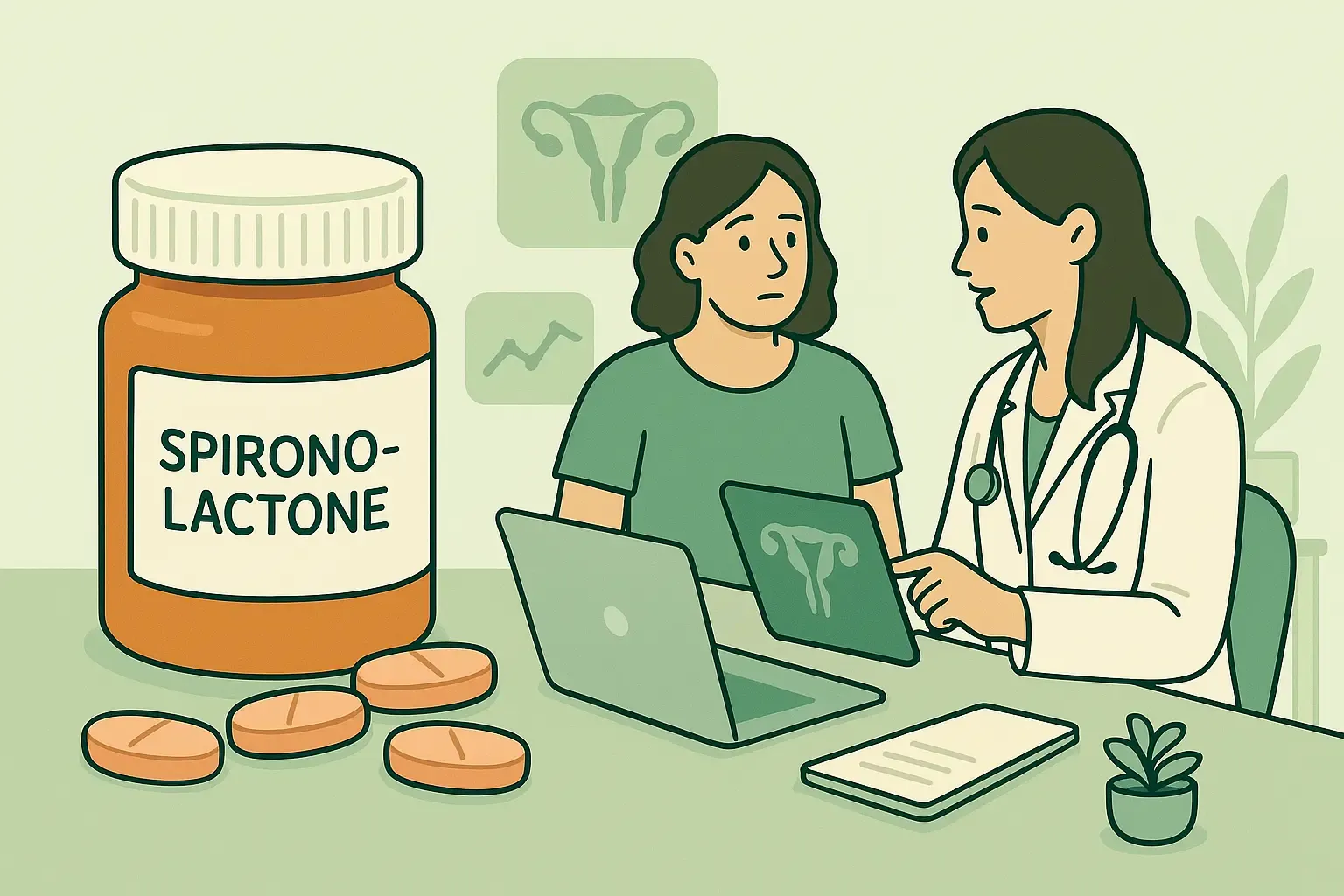
Spironolactone treats PCOS symptoms like acne and excess hair by blocking androgen receptors. It reduces testosterone-related effects but does not regulate ovulation. Common side effects include fatigue and irregular periods. Use requires birth control due to risk of birth defects if pregnant while taking it.
Key Takeaways
- Spironolactone for PCOS primarily treats androgen-related symptoms like acne, hirsutism, and hair thinning rather than core metabolic issues
- Results take time – acne improvements may appear within weeks to months, while hair changes require 6-12 months of consistent use
- Regular monitoring is essential due to potential effects on potassium levels and other side effects that require medical supervision
If you’re dealing with stubborn acne, unwanted facial hair, or thinning scalp hair due to PCOS, you’ve likely heard about spironolactone as a potential treatment option. This prescription medication has gained attention for its ability to tackle some of the most frustrating symptoms of PCOS, but understanding how it works and what to expect is crucial before starting treatment.
Spironolactone for PCOS represents an off-label but well-established approach to managing androgen-related symptoms that don’t always respond to traditional PCOS treatments.
What Is Spironolactone?
Spironolactone is primarily classified as a potassium-sparing diuretic – a medication originally designed to help remove excess fluid from the body while preserving potassium levels. However, its unique ability to block androgen receptors makes it valuable for treating hormone-related conditions.
In PCOS treatment, doctors prescribe spironolactone off-label specifically for its anti-androgen effects. This means it’s not FDA-approved specifically for PCOS, but extensive research and clinical experience support its use for managing symptoms caused by elevated male hormones.
The medication works by preventing androgens (like testosterone) from binding to their receptors in tissues like skin and hair follicles. This action can significantly improve symptoms that stem from androgen excess, which affects up to 80% of women with PCOS.
How It Helps PCOS Symptoms
What does spironolactone do for PCOS? It specifically targets the effects of excess androgens rather than addressing insulin resistance or ovulation issues. Here’s how it helps with specific symptoms:
Acne
Androgens stimulate sebaceous glands to produce excess oil, creating an environment where acne-causing bacteria thrive. By blocking androgen receptors, spironolactone can:
- Reduce oil production significantly
- Decrease inflammatory acne lesions
- Improve overall skin texture and appearance
Important note: While spironolactone addresses the hormonal component of acne, maintaining a consistent skincare routine with gentle cleansers and non-comedogenic products remains essential for optimal results.
Hirsutism (Excess Hair Growth)
Unwanted hair growth on the face, chest, back, or other areas is one of the most distressing PCOS symptoms. Spironolactone can help by:
- Slowing new hair growth over time
- Making existing hair finer and less noticeable
- Reducing the density of terminal (coarse) hair
Keep in mind: Hair growth cycles are naturally slow, so improvements take longer than acne changes. Many women continue using hair removal methods during the initial treatment period while waiting for hormonal effects to take hold.
Scalp Hair Thinning
Androgenic alopecia (male-pattern hair loss) affects many women with PCOS. Spironolactone may help by:
- Stabilizing further hair loss
- Potentially improving hair density in some patients
- Supporting healthier hair growth cycles
Reality check: Results vary significantly between individuals, and improvements develop gradually over many months. Complete reversal of hair loss is uncommon, but stabilization and modest improvement are realistic goals.
What to Expect: Timeline & Results
Setting realistic expectations is crucial when starting spironolactone therapy. Here’s what most patients experience:
Acne improvements often become noticeable within the first few weeks to a couple of months. Many women see their skin becoming less oily relatively quickly, with inflammatory lesions gradually decreasing.
Hair-related changes require much more patience. Hirsutism improvements typically take 3-6 months to become apparent, while scalp hair changes may not be evident for 6-12 months or longer.
Consistency is key – spironolactone works only as long as you take it. Stopping the medication usually results in symptoms returning to their previous state within a few months.
Important limitation: Spironolactone doesn’t treat the underlying metabolic aspects of PCOS like insulin resistance or ovulation dysfunction. These require separate interventions if they’re concerns for you.
Regular follow-up appointments allow your healthcare provider to assess benefits and adjust dosing if needed. Don’t get discouraged if improvements seem slow – hormonal changes take time to manifest visibly.
Safety, Side Effects & Monitoring
While generally well-tolerated, spironolactone requires careful monitoring and awareness of potential side effects.
Common Effects
Most women experience some adjustment period when starting spironolactone:
Increased urination is common initially as your body adjusts to the diuretic effect. This typically improves after the first few weeks.
Menstrual changes may occur, including irregular periods or changes in flow. Some women experience breast tenderness or slight breast enlargement.
Dizziness or lightheadedness can happen, especially when standing up quickly, due to blood pressure effects.
Fatigue or weakness may develop if electrolyte imbalances occur.
Potassium & Lab Monitoring
Spironolactone can cause potassium levels to rise, which can be dangerous in certain situations. Your doctor will likely:
- Check baseline kidney function and potassium levels before starting treatment
- Monitor these levels periodically during treatment
- Adjust dosing based on lab results
Higher risk individuals include those with kidney disease, diabetes, or heart conditions. Age over 65 also increases monitoring requirements.
Never supplement with potassium unless specifically directed by your healthcare provider, as this could lead to dangerous elevations.
Drug and Supplement Interactions
Several medications and supplements can interact with spironolactone:
Blood pressure medications that also raise potassium (like ACE inhibitors) require careful monitoring when combined.
Potassium supplements and salt substitutes containing potassium should be avoided unless approved by your doctor.
NSAIDs (like ibuprofen) may increase potassium levels and affect kidney function when used regularly.
Always provide your healthcare team with a complete list of all medications, supplements, and over-the-counter products you’re taking.
Supportive Tips to Maximize Results
While spironolactone works on the hormonal level, supporting strategies can enhance your results:
Skincare Optimization
- Use gentle, non-comedogenic cleansers that won’t strip your skin as oil production decreases
- Apply broad-spectrum sunscreen daily – some people experience increased sun sensitivity
- Avoid harsh scrubs or over-cleansing that can irritate healing skin
- Consider professional guidance for complementary treatments like chemical peels
Hair Management Strategies
During the transition period while waiting for hormonal effects:
- Threading, waxing, or laser hair removal can continue safely with most practitioners
- Discuss timing of laser treatments with both your dermatologist and the laser technician
- Gentle hair care practices support scalp health during hair regrowth phases
Lifestyle Factors Supporting PCOS
While spironolactone targets specific symptoms, overall PCOS management benefits from:
- Consistent sleep patterns to support hormonal balance
- Regular physical activity that you enjoy and can maintain
- Balanced nutrition patterns without restrictive dieting
- Stress management techniques like meditation or yoga
When to Talk to a Doctor
Several situations warrant immediate medical consultation:
New or worsening symptoms of androgen excess despite treatment may indicate need for dosage adjustment or additional interventions.
Concerning side effects like severe dizziness, muscle weakness, irregular heartbeat, or persistent nausea require prompt evaluation.
Family planning considerations are crucial – spironolactone can affect fetal development and isn’t safe during pregnancy. Discuss contraception options and pregnancy planning thoroughly.
Medication changes or new health conditions may affect how spironolactone works or increase interaction risks.
Regular check-ins allow your healthcare provider to optimize your treatment plan and address concerns before they become problematic.
Conclusion
Spironolactone for PCOS offers significant hope for managing frustrating androgen-related symptoms like acne, hirsutism, and hair thinning. While it’s not a cure-all for PCOS, many women find meaningful improvement in quality of life when these visible symptoms are better controlled.
Success requires patience, consistency, and ongoing medical supervision. The medication works gradually, with full benefits often taking months to appear. However, for many women dealing with the cosmetic and emotional impacts of androgen excess, this timeline is worthwhile.
Your next step should be an honest conversation with a healthcare provider experienced in PCOS management. They can assess whether spironolactone fits your specific symptom pattern, medical history, and treatment goals.
Remember that effective PCOS management often involves multiple approaches. Spironolactone can be an excellent tool for addressing androgen symptoms while other treatments target metabolic aspects of the condition.
Frequently Asked Questions
Does spironolactone help with weight in PCOS?
No, spironolactone doesn’t directly affect weight loss or the metabolic aspects of PCOS like insulin resistance that contribute to weight management challenges.
Can I drink alcohol on spironolactone?
Moderate alcohol consumption is generally acceptable, but alcohol can increase dizziness and dehydration effects, so discuss your specific situation with your healthcare provider.