The Hidden Stress Affecting Women in Engineering Studies
<p>Engineering attracts some of the sharpest minds, yet for many women, the experience carries an extra layer of invisible pressure. Beneath the equations, labs, and late-night projects lies a…
- Published
- Written by
- Women In Balance Team
- Reading time
- 4 minutes
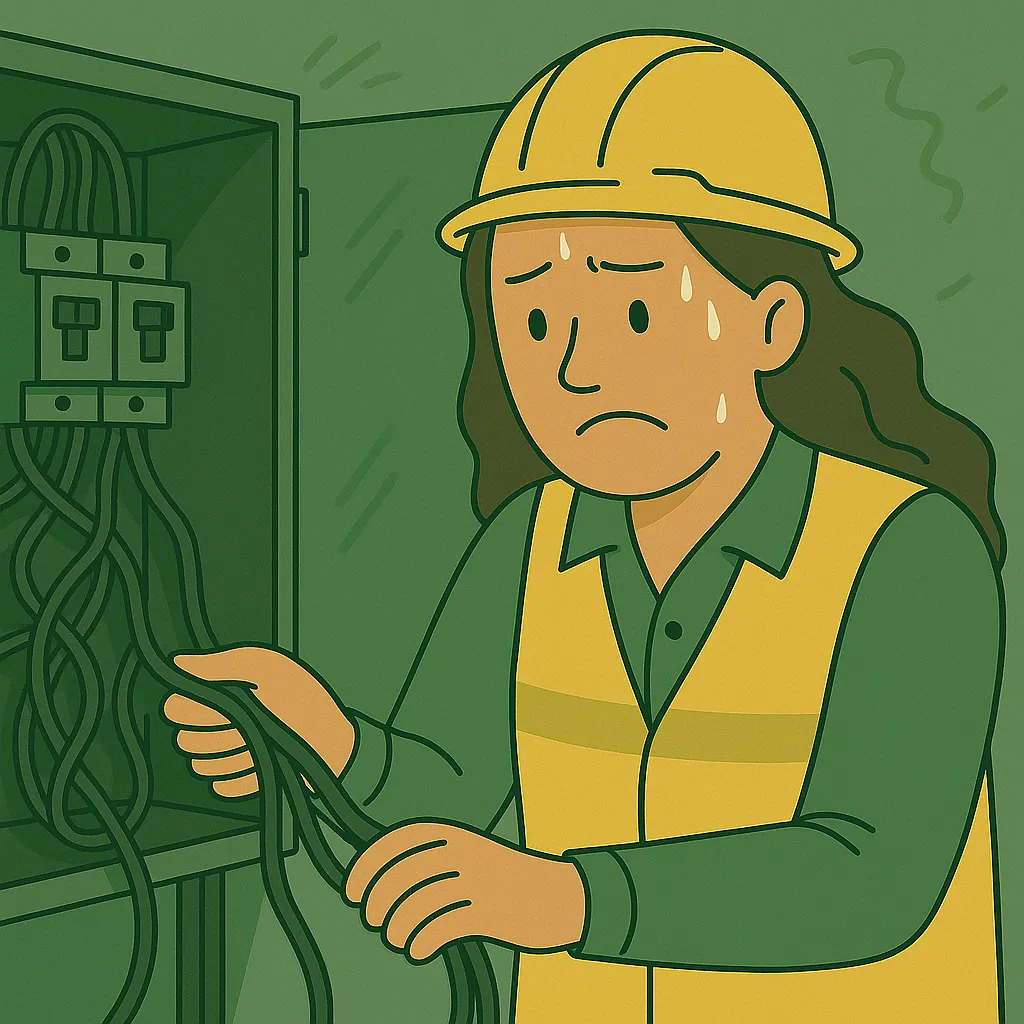
Engineering attracts some of the sharpest minds, yet for many women, the experience carries an extra layer of invisible pressure. Beneath the equations, labs, and late-night projects lies a constant weight: the need to navigate a world where they are outnumbered, often underestimated, and always expected to prove themselves twice over.
The stress doesn’t always make headlines, but it shapes daily life in classrooms, group projects, and internships. It can push talented students to question their abilities, even when their grades tell another story. For some, the challenges feel as exhausting as the technical coursework itself. That’s why women in engineering programs speak not only about problem sets but also about the emotional cost of chasing success. Students searching for relief sometimes turn to academic aids and ask EssayHub to write my essay online just to clear space for much-needed rest. That small choice reflects a bigger truth: survival often requires creative coping.
The Unique Pressures of Engineering Programs
Engineering curriculums are notorious for their intensity. Long hours in labs, relentless homework, and exams packed with complex problem-solving leave little room to breathe. For women, these challenges intersect with subtle cultural barriers. When classmates assume they lack technical ability, every misstep feels magnified. The pressure to represent not only themselves but also “all women in the program” adds another weight to already demanding schedules.
Gender Bias and Subtle Discrimination
Bias in engineering classrooms doesn’t always announce itself. It appears in who gets asked to present during group projects, or whose suggestions get brushed aside during lab meetings. Faculty expectations can sometimes skew as well: a woman’s strong performance may be described as “surprising,” as if excellence is an exception. Over time, these small slights accumulate into a steady hum of stress.
Balancing Academic Demands with External Responsibilities
The stress women face isn’t confined to lecture halls. Many carry additional responsibilities outside school:
- Family obligations
- Part-time jobs
- Leadership roles in student organizations
- Internships or co-op placements
Each role competes for time and attention, leaving study hours fragmented. What could be a focused review session often becomes a juggling act, where concentration is split across competing demands.
The Emotional Toll of Being Underrepresented
Walking into a lecture hall where only a handful of women are present creates a subtle but powerful sense of isolation. Some students describe the pressure of having to always “represent” women in every academic interaction. Others point to the exhaustion of proving competence repeatedly, no matter how strong their track record.
Isolation in Male-Dominated Spaces
The lack of peers who share similar experiences can heighten feelings of loneliness and self-doubt.
Pressure to Prove Competence Constantly
Mistakes, common to all students, often feel amplified when there are fewer women in the room.
Limited Role Models and Mentors
Without visible examples of successful women engineers, the path forward can appear more uncertain.
These factors, combined, chip away at mental health and confidence, making persistence in the field an emotional as well as academic battle.
Coping Mechanisms and Mental Health Strain
To manage, women adopt strategies that often carry their own side effects:
- Over-preparation. Spending excessive hours studying to avoid any chance of error can lead to burnout.
- Silence. Holding back ideas in group settings to avoid criticism reduces collaboration and learning opportunities.
- Perfectionism. Setting impossible standards creates constant dissatisfaction, even after real accomplishments.
- Task outsourcing. Relying on support systems, from peers to academic services, can ease pressure but may bring guilt or fear of judgment.
Each strategy reflects resilience, but they also highlight how heavy the burden has become. Students aren’t just solving equations; they’re solving the puzzle of how to keep themselves afloat.
The Role of Support Systems in Reducing Stress
Support systems can lighten the load. Peer networks offer a sense of belonging, while mentorship programs provide guidance from those who’ve navigated similar challenges. Some universities are building structured initiatives to increase retention and well-being for women in STEM, pairing them with faculty mentors and offering mental health workshops.
Education expert Samuel Gorbold, who works with the essay writing service EssayHub, notes that even seemingly small interventions can make a difference: accessible advisors, clear communication, and fair expectations give students room to focus on learning rather than survival.
Pathways Toward More Inclusive Engineering Education
Engineering programs cannot thrive if half the potential talent pool is driven out by hidden stress. Real change means reshaping the academic culture itself. Faculty training can address unconscious bias in classrooms. Group projects can rotate leadership roles to ensure all voices are heard. Universities can highlight successful women in engineering through guest lectures, career panels, and alumni networks.
Practical resources matter, too. Academic support offices can teach time-management strategies and provide guidance on the college essay format, giving students the confidence to handle both coursework and written assignments without added confusion. Each small improvement chips away at systemic barriers, building a more supportive environment.
Conclusion
The stresses facing women in engineering studies remain largely unseen, yet their effects ripple across classrooms, labs, and career paths. These hidden pressures compound the difficulty of an already demanding field, forcing many students to navigate challenges their male peers may never notice. Addressing them requires more than individual resilience; it demands collective action from universities, faculty, and peers.
The equation is simple: when women in engineering are supported, they stay, they thrive, and they reshape the future of the field. The challenge now is ensuring that support is no longer hidden but built into the foundation of every program.