Understanding the Nursing Team Behind Comprehensive Women’s Health Care
<p>In today’s age, empowered women like you deserve care that listens, understands, responds, and works with you seamlessly. That’s why, with every checkup, diagnosis, or healing moment, you need a…
- Published
- Written by
- Women In Balance Team
- Reading time
- 3 minutes
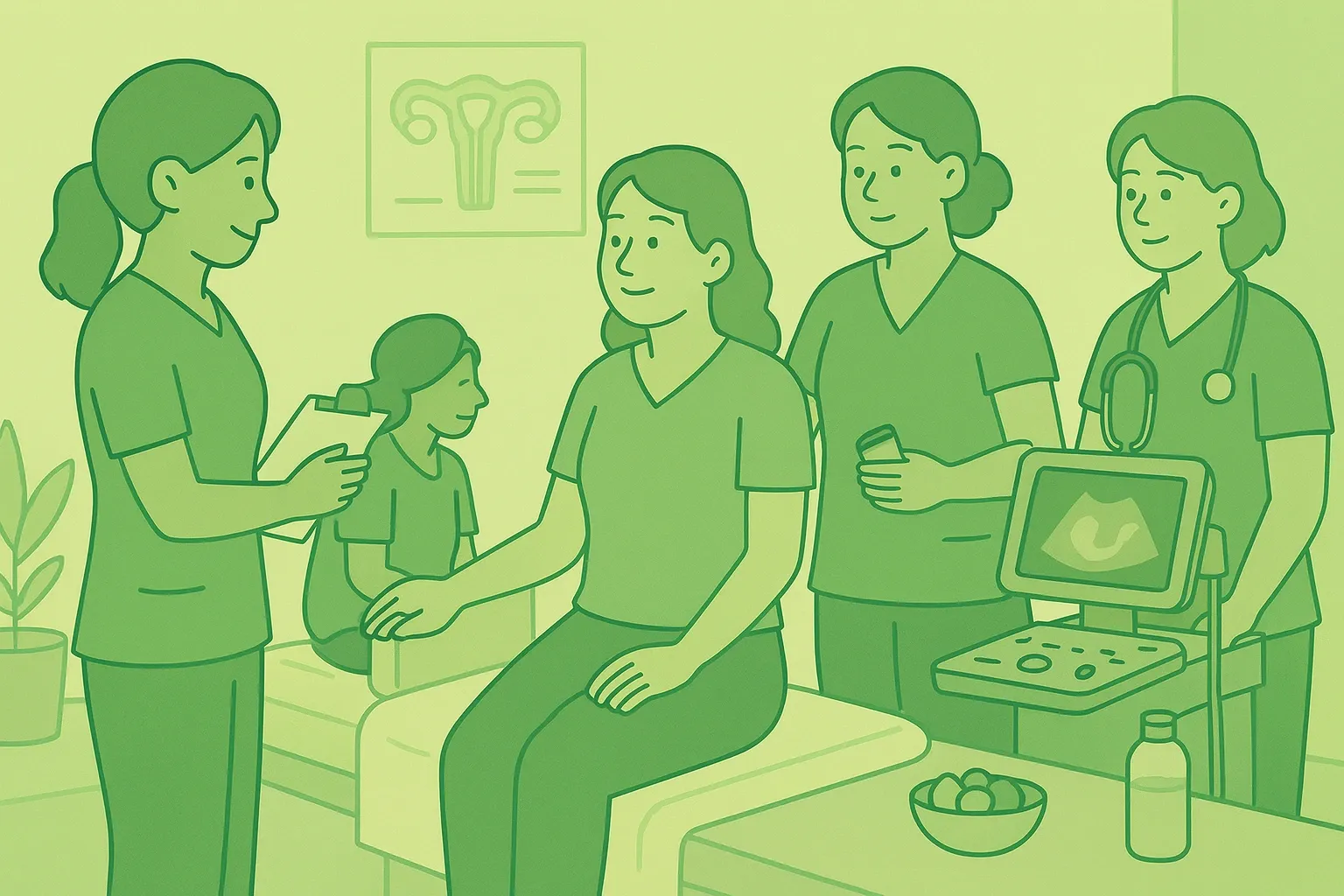
In today’s age, empowered women like you deserve care that listens, understands, responds, and works with you seamlessly. That’s why, with every checkup, diagnosis, or healing moment, you need a trusty team who can devote their focus to your wellness.
Here’s a helpful rundown of how nursing professionals these days can be invaluable care team members, especially for women like you.
Why the Nursing Team Matters in Women’s Health
Today, every time you walk into a women’s health clinic, you’ll have that feeling that you’re surrounded by a quiet force of care specialists. You’ll have nurses, the heartbeat of that space, guiding you through preventive visits, reproductive choices, chronic conditions, and recovery with skill and a well of compassion.
With nearly 29 million nurses and midwives all over the world, mostly women who can make sure your care feels connected, personal, and deeply human in all aspects that matter.
Together, they’re the nurses that form a synchronized team that keeps your (women’s) health care personal, safe, and seamlessly more trusting.
Which Nurse Should You Go To? If you’ve ever wondered who to approach for specific women’s health needs, understanding the difference between PN & RN can be your competent starting point. Some experts reveal that PNs or practical nurses complete or go through shorter training and handle routine and more supervised assignments.
On the other hand, RNs or registered nurses and women’s health nurse practitioners (WHNPs) are specially trained for more complex assessments, critical decisions, and care coordination, especially in responding to your specific health requirements. When you know these specifics, you’ll be able to reach out to the right nurse for whatever health challenge you may have.
Other Key Roles You Need to Know
Registered Nurse
They’re the professionals whose skillsets are particularly designed to perform assessments, administer treatments, educate patients, and coordinate care among specialists to ensure smooth continuity.
Women’s Health Nurse Practitioner
Evaluates patients, identifies women’s health conditions, prescribes treatments, and manages ongoing care within their licensed scope of practice.
Certified Nurse Midwife
Provides prenatal, labor, delivery, and postpartum care, offering holistic support through each stage of pregnancy.
Clinical Nurse Specialist/Nurse Educator
Develops evidence-based policies, trains clinical teams, and strengthens women’s health programs across care settings.
Support Nurses (LPN/PN-level)
Monitors vital signs, assists with comfort care, and supports RNs in delivering timely and efficient patient attention.
How the Nursing Team Interacts with Physicians, NPs, Midwives, and Support Staff
Before, you could easily picture your doctor as the “captain” and everyone else as auxiliary in their clinics. Today, however, modern women’s health clinics already operate on a more collaborative model:
Triage & intake
There are already support nurses or PN-level staff who can record symptoms, history, and vital signs right away, usually flagging urgent issues for RNs or doctors.
Assessment & diagnostics
It’s the RNs who perform clinical assessments and coordinate labs or imaging orders right after one’s checkup.
Specialist care
WHNPs, CNMs, or physician gynecologists step in when a complicated diagnosis, surgical planning, or prescription decision is needed.
Ongoing follow-up
RNs or nurse navigators often “own” follow-ups, especially for menstrual irregularities, menopause transitions, bone health, and other issues.
Patient education and advocacy
Every nurse you meet becomes a touchpoint for you, particularly when explaining test results, helping you navigate referrals, liaising with support staff, or addressing billing issues. It’s an integrated lane that delivers primary care and lets you avoid repeating your story at every visit. They’re also the professionals who can help you go through complex transitions, say, from reproductive counseling to menopause care, with more ease.
Why It All Matters—For Your Health Outcomes
When you experience a tightly knit nursing team, three big shifts can happen for your care:
● Consistency
Your concerns and issues won’t get bypassed.
● Empowerment
Most nurses now can teach you self-management strategies in chronic or transitional phases (menopause, endocrine issues).
● Safety
Medical or clinical errors are easily avoided when handoffs, documentation, and communication are strong.
In countless studies of women and maternal health, nurse-led care models (including midwifery and clinical nurses) have matched or outperformed physician-led care in safety, patient respect, and costs. While global data in women’s health may seem less centralized, the expansion of nurse practitioner models in the US, UK, and Australia reaffirms that advanced nurses deliver care effectively, especially in primary and specialty women’s health settings.