Which Size of Fibroid Is Dangerous: Signs to Watch
<p>Fibroids larger than 5 cm (about 2 inches) are considered potentially dangerous. Large fibroids can cause heavy bleeding, pelvic pain, bladder pressure, or infertility. Signs to watch include…
- Published
- Written by
- Women In Balance Team
- Reading time
- 17 minutes
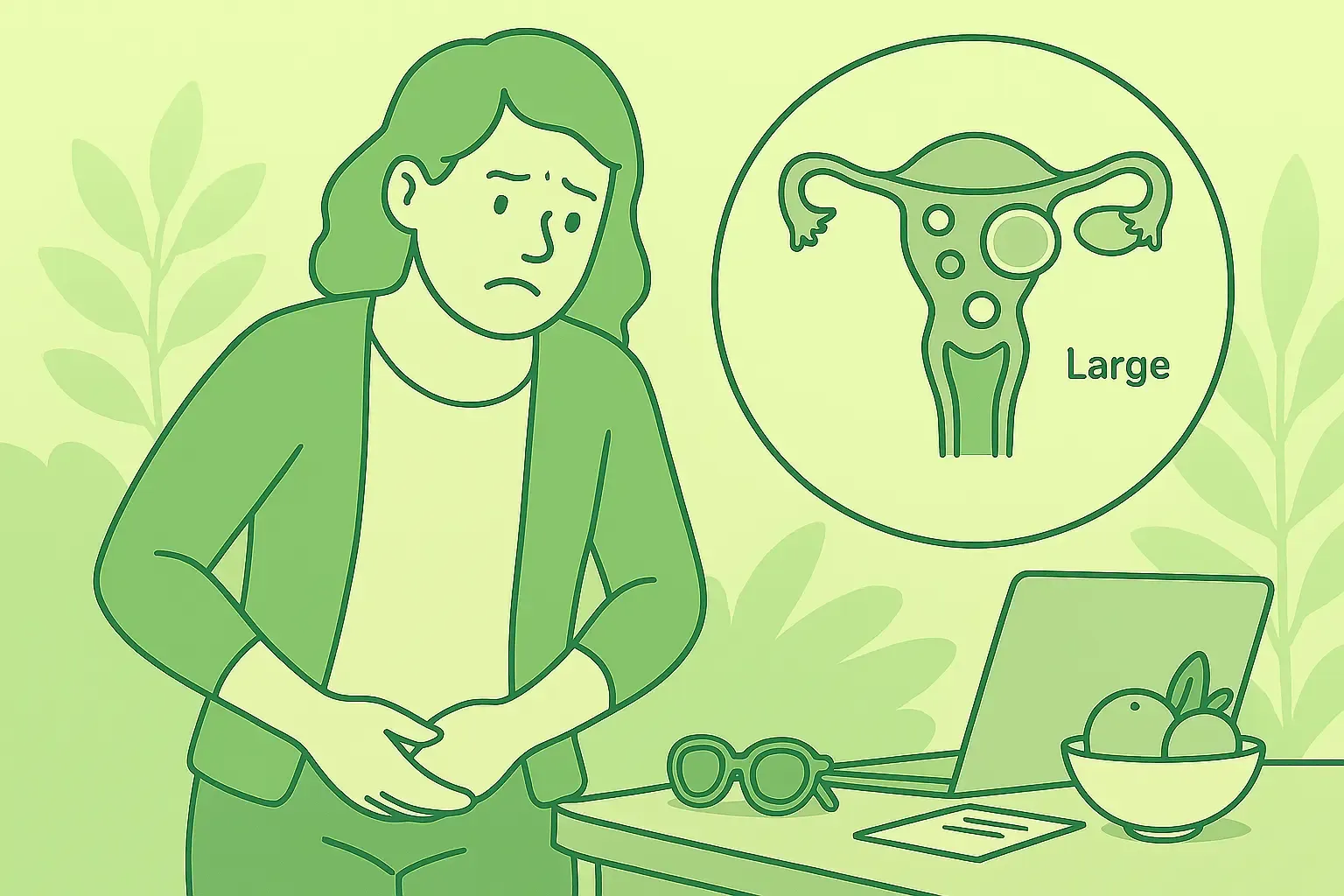
Fibroids larger than 5 cm (about 2 inches) are considered potentially dangerous. Large fibroids can cause heavy bleeding, pelvic pain, bladder pressure, or infertility. Signs to watch include rapid growth, severe cramping, anemia, or pain during intercourse. Immediate medical evaluation is advised if symptoms worsen.
Key Takeaways
- Fibroid size matters, but danger levels depend more on location, growth rate, and symptoms rather than size alone
- Fibroids larger than 10 cm are generally considered large and may require medical intervention, though smaller fibroids can also cause significant complications
- Warning signs include severe pelvic pain, heavy bleeding, rapid growth, and symptoms affecting bladder or bowel function that indicate the need for immediate medical evaluation
If you’ve been diagnosed with uterine fibroids, one of your first questions is likely about size and whether yours are dangerous. Fibroids are incredibly common, affecting up to 80% of women by age 50, yet understanding when they become a serious health concern can feel confusing and overwhelming.
The relationship between fibroid size and danger isn’t straightforward. While larger fibroids generally carry more risks, even smaller fibroids can cause significant problems depending on where they’re located and how they’re affecting your body. What matters most is understanding the complete picture of your specific situation.
This comprehensive guide will help you understand which size of fibroid is dangerous, what warning signs to watch for, and when fibroid growth requires medical attention. You’ll learn to recognize symptoms that shouldn’t be ignored and gain the knowledge you need to make informed decisions about your reproductive health.
What Are Fibroid Sizes?
Uterine fibroids, also called leiomyomas, are noncancerous growths that develop in or on the uterus. These tumors can range dramatically in size, from tiny seedlings measuring just a few millimeters to massive growths weighing several pounds. Medical professionals often compare fibroid sizes to pregnancy stages or common fruits to help patients visualize their growth.
Small fibroids measure less than 5 cm (about 2 inches) in diameter, roughly equivalent to the size of a walnut or small plum. Many women with small fibroids experience no symptoms at all and may not even know they have them until discovered during a routine pelvic exam or ultrasound for another reason.
Medium fibroids range from 5 to 10 cm (approximately 2 to 4 inches), comparable in size to an orange or grapefruit. At this stage, fibroids are more likely to cause noticeable symptoms like heavier periods, pelvic pressure, or frequent urination, though symptom severity varies significantly among individuals.
Large fibroids exceed 10 cm (4 inches or more) and can grow much larger in some cases. These substantial growths may be compared to a melon or even reach the size of a full-term pregnancy, sometimes weighing several pounds. Large fibroids almost always cause symptoms and can significantly impact quality of life and overall health.
The measurement doctors use typically refers to the fibroid’s diameter at its widest point. However, it’s important to understand that multiple fibroids can exist simultaneously, and having several medium-sized fibroids may create a cumulative effect similar to having one very large fibroid. The total fibroid burden, not just individual measurements, influences how your body is affected.
Which Size of Fibroid Is Dangerous?
Determining whether a fibroid is dangerous involves more than simply measuring its size. While size is an important factor, the real danger depends on a combination of dimensions, location, growth rate, and the symptoms it causes. Understanding these nuances helps you better assess your personal risk.
Fibroids measuring 10 cm or larger are generally classified as large and warrant closer medical monitoring. At this size, fibroids have grown large enough to potentially compress surrounding organs, distort the uterine cavity significantly, and cause substantial symptoms that impact daily life. However, this threshold isn’t absolute, and many factors influence whether intervention is necessary.
The location of the fibroid often matters more than size alone. A small 3 cm subserosal fibroid growing on the outer uterine wall might cause minimal symptoms, while a 3 cm submucosal fibroid protruding into the uterine cavity could cause severe bleeding and fertility problems. Intramural fibroids, embedded within the uterine muscle wall, can cause symptoms at various sizes depending on their exact position and how they affect the uterine structure.
Rapid growth rate raises red flags regardless of current size. If imaging shows your fibroid has doubled in size over six months or grown significantly faster than expected, this warrants immediate medical evaluation. While rapid growth doesn’t automatically indicate cancer (which is extremely rare in fibroids), it does suggest the fibroid is particularly active and may cause escalating problems.
Symptom severity provides crucial context for determining danger level. A 6 cm fibroid causing severe anemia from heavy bleeding is more dangerous than a 12 cm fibroid causing only mild discomfort. Your body’s response to the fibroid matters tremendously in assessing whether it poses a genuine health risk.
Multiple fibroids create cumulative effects that can be dangerous even when individual growths aren’t particularly large. Several medium-sized fibroids can collectively enlarge the uterus significantly, compress organs, and cause symptoms as severe as those from a single large fibroid.
Medical professionals also consider your overall health status, age, and reproductive goals when assessing fibroid danger. A fibroid that might be monitored conservatively in a younger woman hoping to preserve fertility could require more aggressive treatment in someone experiencing severe symptoms or health complications.
Symptoms That Indicate Dangerous Fibroids
Recognizing warning signs that fibroids have become dangerous is crucial for seeking timely medical intervention. Certain symptoms signal that fibroids are causing significant health impacts that shouldn’t be ignored or managed with home remedies alone.
Severe, heavy menstrual bleeding represents one of the most concerning fibroid symptoms. If you’re soaking through a pad or tampon every hour, passing large blood clots regularly, or experiencing periods lasting longer than seven days, your fibroids may be causing dangerous blood loss. Chronic heavy bleeding leads to anemia, leaving you feeling exhausted, weak, dizzy, and short of breath even with minimal exertion.
Acute, severe pelvic pain that feels different from typical menstrual cramping may indicate fibroid degeneration, where the growth outgrows its blood supply and begins to break down. This process causes intense pain that can be sudden and debilitating. Sharp, stabbing pain or pain that progressively worsens over days or weeks should never be dismissed as normal.
Significant abdominal distension or a visibly enlarged abdomen suggests fibroids have grown large enough to noticeably change your body shape. Women sometimes describe looking pregnant when they’re not, which can be both physically uncomfortable and emotionally distressing. This visible enlargement often accompanies other serious symptoms.
Urinary problems including frequent urination, difficulty emptying your bladder completely, or sudden urgency indicate fibroids are pressing on your bladder. Constipation or difficulty with bowel movements can occur when fibroids compress the rectum or intestines. These symptoms suggest fibroids are large enough or positioned such that they’re interfering with normal organ function.
Severe lower back pain or leg pain may develop when large fibroids press on nerves in the pelvic region. This pain can be persistent and significantly limit mobility and daily activities. Pain during intercourse is another symptom that deserves medical attention, especially if it’s new or worsening.
Difficulty getting pregnant or recurrent pregnancy loss may be linked to fibroids, particularly those growing into the uterine cavity. While not all fibroids affect fertility, those that distort the uterus or block fallopian tubes can prevent conception or cause miscarriage.
Rapid symptom progression is perhaps the most critical warning sign. If symptoms that were previously mild suddenly intensify, or if new symptoms appear quickly, this suggests your fibroids are growing or changing in ways that require immediate medical evaluation.
How Fibroid Location Affects Danger Level
Understanding where fibroids grow is just as important as knowing their size when assessing potential dangers. The three main fibroid types are classified by their location within or around the uterus, and each carries distinct risks and complications regardless of size.
Submucosal fibroids grow into the uterine cavity, protruding inward from the uterine wall. These are often the most problematic despite frequently being smaller than other types. Even small submucosal fibroids can cause extremely heavy menstrual bleeding because they increase the surface area of the uterine lining that sheds during menstruation. They’re also most likely to cause fertility problems by interfering with embryo implantation or causing pregnancy complications.
Intramural fibroids develop within the thick muscular wall of the uterus and are the most common type. As these grow, they can enlarge the uterus significantly and cause it to feel bulky or heavy. Larger intramural fibroids distort the uterine shape and can press on surrounding structures, while those near the uterine cavity may cause heavy bleeding similar to submucosal fibroids.
Subserosal fibroids grow outward from the outer uterine wall into the pelvic cavity. These can become quite large before causing significant symptoms because they don’t affect the uterine cavity directly. However, large subserosal fibroids can press on the bladder, causing frequent urination, or press on the rectum, causing constipation and back pain. Some grow on stalks (pedunculated fibroids) and can twist, causing sudden severe pain.
Pedunculated fibroids attached by a stalk to either the inside or outside of the uterus carry a unique risk. If the stalk twists (torsion), it cuts off blood supply to the fibroid, causing sudden, severe pain that requires emergency medical attention. This complication can occur regardless of the fibroid’s size.
The specific location within each category also matters. Fibroids near the cervix or blocking the fallopian tube openings pose different risks than those in other uterine areas. Those positioned where they compress major blood vessels or nerves can cause symptoms disproportionate to their size.
Complications Associated With Large Fibroids
Large fibroids, typically those exceeding 10 cm, carry increased risks for various health complications that extend beyond typical fibroid symptoms. Understanding these potential complications helps you recognize when fibroids have progressed beyond a manageable nuisance to a genuine health threat requiring intervention.
Severe anemia represents one of the most common and dangerous complications of large fibroids. Chronic heavy bleeding depletes your body’s iron stores over time, leading to profound fatigue, weakness, difficulty concentrating, pale skin, and shortness of breath. Untreated severe anemia can strain your heart as it works harder to pump oxygen-depleted blood throughout your body, potentially leading to heart problems.
Urinary tract complications become more likely as fibroids grow larger. Large fibroids pressing on the bladder can prevent it from emptying completely, creating conditions where urinary tract infections develop more easily. Chronic bladder compression can lead to kidney problems if urine backs up into the kidneys, though this is relatively rare.
Reproductive complications affect women hoping to become pregnant or currently pregnant. Large fibroids can make conception more difficult by blocking fallopian tubes or distorting the uterine cavity. During pregnancy, large fibroids increase risks for miscarriage, preterm labor, placental abruption, abnormal fetal positioning, and complications during delivery that may require cesarean section.
Fibroid degeneration, where the growth outgrows its blood supply, occurs more commonly with larger fibroids. This process causes intense pain and may trigger fever, sometimes leading to emergency room visits. While degeneration isn’t necessarily dangerous, it’s extremely uncomfortable and occasionally requires hospitalization for pain management.
Bulk symptoms from very large fibroids include visible abdominal enlargement that can be mistaken for pregnancy, significant weight gain from the fibroid’s mass, and general feelings of heaviness or pressure. Some women report difficulty finding comfortable positions for sleeping or sitting when fibroids reach substantial sizes.
Psychological and quality of life impacts shouldn’t be underestimated. Living with large, symptomatic fibroids can cause anxiety, depression, social isolation, and difficulties maintaining work or personal relationships. The physical limitations and emotional burden represent real complications even when fibroids don’t pose immediate medical dangers.
When to Seek Medical Attention
Knowing when fibroid symptoms require professional medical evaluation can mean the difference between managing the condition effectively and experiencing serious complications. Certain symptoms demand immediate attention, while others indicate the need for scheduling an appointment with your healthcare provider soon.
Seek emergency medical care immediately if you experience sudden, severe abdominal or pelvic pain that doesn’t improve with over-the-counter pain medication. This could indicate fibroid torsion, degeneration, or another acute complication requiring urgent treatment. Heavy bleeding that soaks through a pad or tampon every hour for several consecutive hours or causes dizziness and weakness also warrants emergency evaluation.
Schedule an appointment with your doctor within a few days if you notice significantly heavier or longer periods than usual, especially if this change is sudden. New symptoms like severe cramping, painful intercourse, difficulty urinating, or persistent constipation that coincides with known fibroids should be evaluated promptly. Any bleeding between periods or after menopause requires medical assessment regardless of fibroid history.
Contact your healthcare provider if existing symptoms worsen significantly or if you develop new symptoms. This includes increased abdominal size, new onset of back or leg pain, or difficulty performing daily activities due to fibroid-related symptoms. If you’re trying to conceive and have known fibroids, discuss whether they might be affecting your fertility even if they’re not causing significant symptoms.
Regular monitoring becomes essential once fibroids are diagnosed. Your doctor will recommend a follow-up schedule based on fibroid size, location, symptoms, and your age and reproductive goals. Don’t skip scheduled follow-up appointments even if symptoms haven’t changed, as imaging can reveal growth that hasn’t yet caused noticeable symptoms.
Trust your instincts about your body. If something feels wrong or symptoms are significantly impacting your quality of life, seek medical attention even if symptoms don’t seem to meet emergency criteria. Advocating for your health means insisting on thorough evaluation when you’re concerned, even if previous healthcare providers have been dismissive.
If you’re experiencing severe anemia symptoms like extreme fatigue, weakness, rapid heartbeat, chest pain, or difficulty breathing, seek medical care promptly. These symptoms indicate your body isn’t getting adequate oxygen and require treatment beyond simply managing the fibroids themselves.
Treatment Options Based on Fibroid Size
Treatment approaches for fibroids vary significantly depending on size, location, symptoms, and your personal health goals. Understanding available options helps you make informed decisions about managing your condition effectively.
Watchful waiting is appropriate for small, asymptomatic fibroids discovered incidentally. Many women with fibroids measuring under 5 cm and causing no symptoms can simply monitor them with periodic ultrasounds. This conservative approach avoids unnecessary treatment while ensuring any changes are caught early.
Medication management can help control symptoms for small to medium-sized fibroids. Birth control pills, hormonal IUDs, or other hormonal therapies can reduce heavy bleeding and manage pain. GnRH agonists temporarily shrink fibroids by creating a menopause-like state, though fibroids typically regrow once medication stops. These are often used to reduce fibroid size before surgery or as a temporary measure approaching natural menopause.
Minimally invasive procedures work well for many women with medium-sized fibroids or those wanting to avoid major surgery. Uterine artery embolization (UAE) blocks blood flow to fibroids, causing them to shrink. This outpatient procedure preserves the uterus and has shorter recovery than surgery. MRI-guided focused ultrasound uses sound waves to heat and destroy fibroid tissue without incisions, though it’s not suitable for all fibroid types or locations.
Myomectomy surgically removes fibroids while preserving the uterus, making it the preferred option for women wanting to maintain fertility. Hysteroscopic myomectomy removes submucosal fibroids through the vagina and cervix without abdominal incisions, ideal for smaller fibroids protruding into the uterine cavity. Laparoscopic or robotic myomectomy uses small incisions for subserosal and some intramural fibroids. Abdominal myomectomy through a larger incision may be necessary for very large fibroids or multiple growths.
Hysterectomy removes the entire uterus and is the only permanent cure for fibroids. This major surgery is typically recommended for very large fibroids, severe symptoms not responding to other treatments, or women who’ve completed childbearing and prefer definitive resolution. Various approaches include vaginal, laparoscopic, or abdominal hysterectomy depending on uterine size and other factors.
Endometrial ablation destroys the uterine lining and can reduce heavy bleeding caused by small submucosal fibroids, though it’s not primarily a fibroid treatment. This option is only for women who don’t want future pregnancies.
Your doctor will help determine which treatment is most appropriate based on your fibroid characteristics, symptom severity, age, desire for future pregnancy, and personal preferences. Many factors influence the best choice for your unique situation.
Monitoring Fibroid Growth
Regular monitoring of diagnosed fibroids is essential for catching dangerous changes early and adjusting treatment plans as needed. Understanding what to expect during monitoring helps you stay proactive about your reproductive health.
Initial evaluation after fibroid diagnosis typically includes detailed imaging, usually transvaginal ultrasound, to document the number, size, and location of all fibroids. Your doctor will establish a baseline that future exams can be compared against to track any growth or changes.
Follow-up frequency depends on several factors including fibroid size, symptoms, and your age. Small, asymptomatic fibroids might be rechecked annually or even every two years if completely stable. Medium-sized fibroids or those causing mild symptoms typically warrant evaluation every 6-12 months. Large fibroids or rapidly growing ones may require monitoring every 3-6 months or even more frequently if concerning changes develop.
Imaging methods for monitoring include transvaginal ultrasound as the most common approach, which provides detailed views of fibroids and can measure their dimensions accurately. MRI offers more detailed imaging when ultrasound results are unclear or when planning treatment, though it’s more expensive and not typically used for routine monitoring.
Symptom tracking between medical appointments provides valuable information about how fibroids are affecting you. Keep a record of menstrual bleeding including flow heaviness, duration, and clot size. Note any pain patterns, urinary symptoms, bowel changes, or other concerns. This documentation helps your doctor assess whether symptoms are worsening even if imaging shows minimal size change.
Growth rate assessment involves comparing current measurements to previous ones. Fibroids naturally grow slowly over time, with average growth rates of 1-2 cm per year, though this varies considerably. Rapid growth exceeding this pace, particularly doubling in size within six months, requires closer evaluation to rule out the rare possibility of malignancy.
Approaching menopause changes monitoring strategies since fibroids typically shrink after menopause when estrogen levels drop. If you’re perimenopausal, your doctor might recommend conservative management knowing fibroids will likely improve naturally soon.
Prevention and Lifestyle Considerations
While you can’t completely prevent fibroid development, certain lifestyle choices may influence fibroid growth and symptom severity. Understanding modifiable risk factors empowers you to take an active role in managing your condition.
Maintaining a healthy weight appears to reduce fibroid risk and may slow growth of existing fibroids. Research suggests that obesity increases fibroid risk, possibly because fat tissue produces estrogen that can stimulate fibroid growth. Regular physical activity not only helps with weight management but may independently reduce fibroid risk through hormonal regulation and reduced inflammation.
Dietary choices may influence fibroid development and growth. Eating plenty of fruits and vegetables, particularly leafy greens and citrus fruits, has been associated with lower fibroid risk in some studies. Conversely, high consumption of red meat and low intake of green vegetables may increase risk. Vitamin D deficiency has been linked to increased fibroid risk, so ensuring adequate vitamin D through sun exposure, diet, or supplements may be beneficial.
Limiting alcohol consumption might help, as some research suggests alcohol intake increases fibroid risk. Reducing caffeine intake hasn’t been definitively proven to affect fibroids but may help with symptom management for some women who notice their symptoms worsen with coffee consumption.
Managing stress through techniques like meditation, yoga, or counseling may help control symptoms, though stress doesn’t directly cause fibroids. Quality sleep supports overall hormonal balance and may influence how your body responds to fibroids.
Avoiding hormone-disrupting chemicals where possible makes sense, though direct evidence linking specific environmental exposures to fibroids remains limited. Choosing organic produce when possible and minimizing use of plastics for food storage may reduce exposure to potential endocrine disruptors.
Understanding that fibroids have strong genetic and hormonal components means prevention isn’t always possible even with optimal lifestyle choices. If fibroids run in your family, focus on early detection through regular gynecological care rather than feeling responsible for developing them.
Conclusion
Understanding which size of fibroid is dangerous requires looking beyond simple measurements to consider location, symptoms, growth rate, and impact on your quality of life. While fibroids larger than 10 cm generally warrant closer attention, even smaller fibroids can pose health risks depending on where they’re located and what symptoms they’re causing.
The most important step you can take is recognizing warning signs that shouldn’t be ignored. Severe bleeding leading to anemia, acute pain, rapid growth, or symptoms affecting bladder and bowel function all indicate the need for prompt medical evaluation regardless of known fibroid size.
Stay proactive about your reproductive health by keeping scheduled follow-up appointments, tracking your symptoms between visits, and communicating openly with your healthcare provider about how fibroids are affecting your daily life. Early intervention when fibroids become problematic prevents complications and preserves more treatment options.
Remember that having fibroids, even large ones, doesn’t automatically mean you’ll need surgery or experience serious complications. Many women successfully manage fibroids through various treatment approaches tailored to their specific situation. With proper monitoring and timely intervention when needed, you can maintain your quality of life while managing this common condition effectively.
Frequently Asked Questions
Can a 5 cm fibroid be dangerous?
Yes, a 5 cm fibroid can be dangerous depending on its location and symptoms. Submucosal fibroids of this size often cause severe bleeding and fertility problems, while those in other locations might cause minimal symptoms and be safely monitored.
Do fibroids stop growing after menopause?
Fibroids typically shrink after menopause when estrogen levels drop naturally. However, if you’re taking hormone replacement therapy, fibroids may continue growing since they’re being exposed to estrogen.
How fast do dangerous fibroids grow?
Most fibroids grow slowly at about 1-2 cm per year. Rapid growth of more than this rate, especially doubling in size within six months, is considered concerning and requires medical evaluation to rule out complications.
What size fibroid requires surgery?
There’s no absolute size that automatically requires surgery. The decision depends on symptoms, location, growth rate, and your health goals. Generally, fibroids larger than 10 cm or those causing severe symptoms are more likely to need surgical intervention.