Why Women Experience Aging Differently; and How Assisted Living Addresses Those Needs
<p>Selecting a residence for older adults involves considering many factors. Safety and support stand out as key elements in any assisted living setting. Families and residents alike seek places…
- Published
- Written by
- Women In Balance Team
- Reading time
- 3 minutes
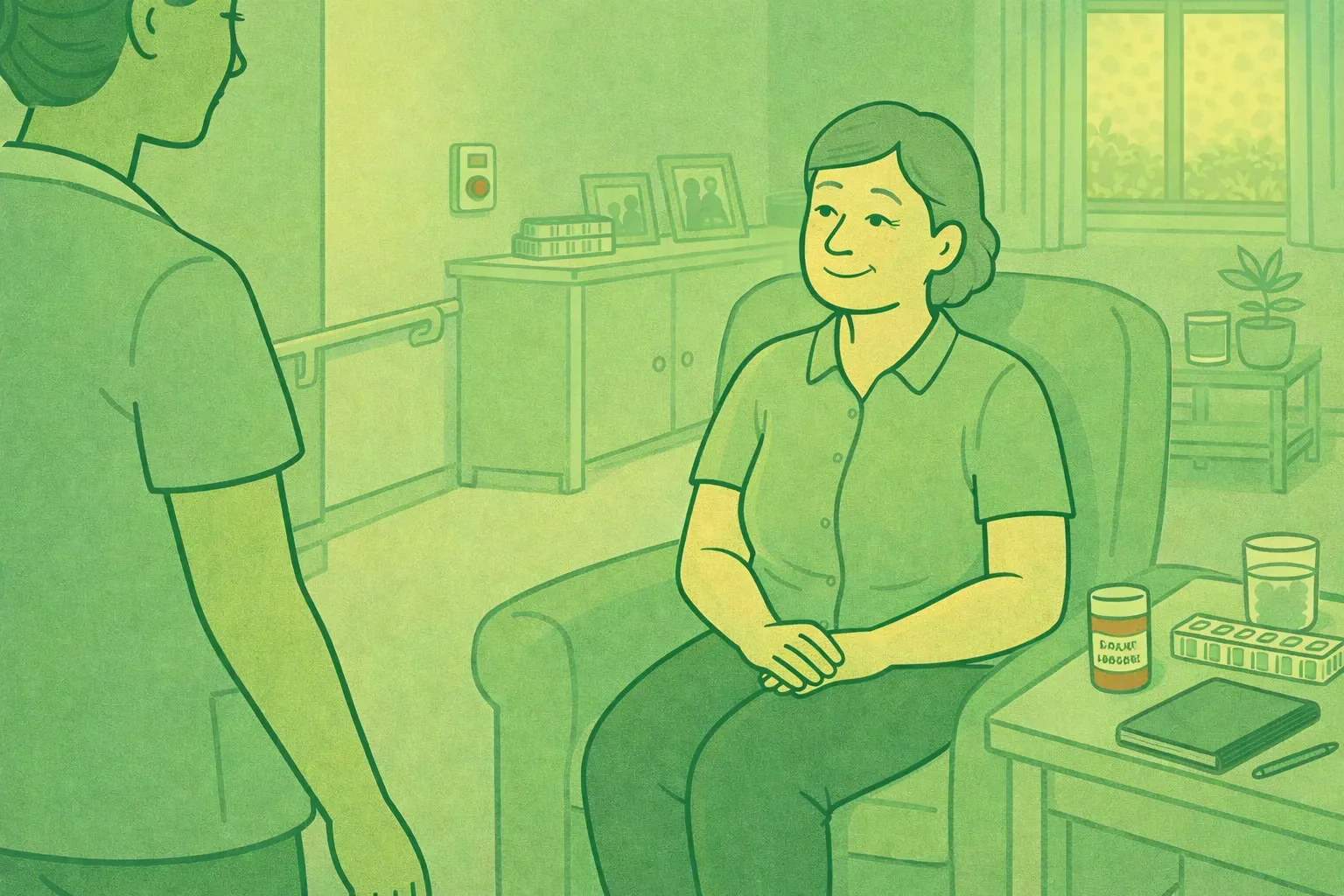
Selecting a residence for older adults involves considering many factors. Safety and support stand out as key elements in any assisted living setting. Families and residents alike seek places where comfort and care go hand in hand. Examining the essential features that create a secure and nurturing environment helps guide these important decisions.
Thoughtful Facility Design
Safety begins with a well-planned space. Roomy, clear hallways are convenient, particularly if residents are using walkers or wheelchairs. The entire building has non-slip flooring, so there is less risk of fall. Assisted living in Los Gatos has railings on the side of corridors and in the bathroom to provide balance. The right lighting illuminates every corner and reduces the chances of accidents. Way finding signage is clear to the residents who live within the gated community.
Trained and Compassionate Staff
Care and NDIS care industry provide the infrastructure that allows for these environments.Ongoing education keeps staff up to speed on best practices in elder care. Ongoing workshops reinforce communication, emergency response, and care for residents. Compassionate team members listen, then respond with empathy. Assigning staff consistently helps residents develop trust and builds a sense of safety.
Emergency Preparedness
Lives can be saved if immediate action is taken during unforeseen circumstances. Many facilities have accessible call buttons in the bedroom and bathroom to allow residents to summon immediate assistance. Routine inspections of fire alarms and sprinkler systems ensure they are functioning properly. Staff members practice drills and memorize when to evacuate. Emergency plans range from power outages to inclement weather, and they encourage preparedness.
Personalized Care Plans
Everyone has different needs and wants. Personalized care plans include details on medical histories, mobility, and dietary needs, making them truly personalized. Staff partner with families and healthcare professionals to provide holistic support. In contrast, regular assessments can adjust care plans over time as circumstances change. This way, you respect independence and give the proper level of assistance.
Healthy Nutrition and Meal Safety
Meal programs are nutrition- and safety-oriented, with hygiene standards maintained in kitchens to avoid sickness. The meals follow dietary guidelines, and the staff carefully considers any allergies or medical restrictions. Staff members monitor the dining areas to assist residents who require assistance while eating. Residents can drink beverages whenever they want, so it decreases the risk of developing dehydration.
Social Engagement and Emotional Support
Connection opportunities keep residents engaged. Friendships are formed through group activities, such as games, music sessions, or art classes. Staff ensures that residents have fresh air and new activities when they plan specific activities. Staff also emphasize support groups, peer counseling, and emotional wellness programs. Social interaction helps reduce loneliness and increase happiness.
Medication Management
Administering medication correctly is important for maintaining health. To avoid mistakes, facilities have highly secure storage systems along with clear labeling. Staff assign doses, watch for unwanted effects, and work with medical professionals. It reminds and helps residents to take medicines appropriately. It helps to prevent missed doses or accidental overdoses.
Secure Access and Visitor Policies
The entry points are controlled to ensure that residents living inside the facility are safe. Visitor check-in logs every visitor in one place. Surveillance monitors track unusual behavior in common areas. Staff will still ask who is coming and going as you are entering or leaving to preserve privacy and safety. Different policies reflect the importance of open visitation while also attempting to provide a protected environment.
Cleanliness and Infection Control
A clean environment favors general health. Cleaning schedules for housekeeping teams are strictly followed, with particular focus on frequently touched surfaces. Disinfection protocols reduce the risk of disease transmission. Hand sanitizing stations are present across all common areas. Residents and visitors should observe good hygiene practices.
Respect for Independence and Dignity
Care is shaped by respect in all its forms. Allowing the residents to decide how they would like their day to play out. Staff support while maintaining independence. People value privacy and take care of personal possessions. It promotes self-confidence and a feeling of belonging.
Conclusion
A safe and supportive assisted living environment relies on many factors working together. Thoughtful design, skilled staff, and respectful care plans create comfort and reassurance. When each element contributes, residents and their families can feel confident in their choice. Peace of mind comes from knowing every detail has been carefully considered for well-being and happiness.