Does Endometriosis Cause Weight Gain? When to See a Doctor
<p>Endometriosis can cause weight gain indirectly due to hormonal imbalances, bloating, or side effects from medications like hormonal treatments. See a doctor if symptoms include severe pelvic pain…
- Published
- Written by
- Women In Balance Team
- Reading time
- 6 minutes
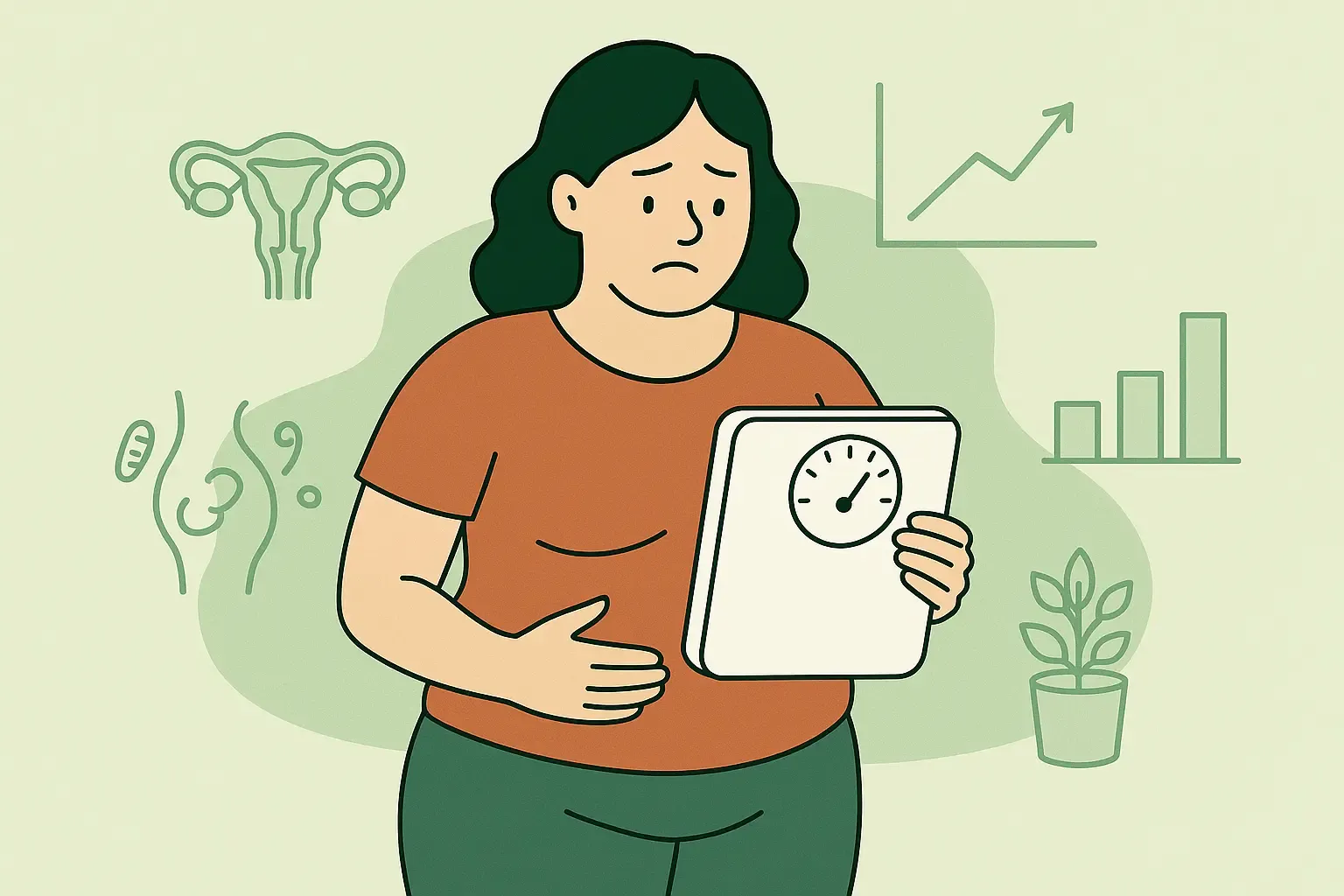
Endometriosis can cause weight gain indirectly due to hormonal imbalances, bloating, or side effects from medications like hormonal treatments. See a doctor if symptoms include severe pelvic pain, abnormal bleeding, fatigue, or rapid weight changes, as these may indicate complications that require medical attention.
Key Takeaways
- Endometriosis can contribute to weight changes through inflammation, “endo belly” bloating, and treatment side effects rather than directly causing fat gain
- “Endo belly” creates temporary abdominal distension that mimics weight gain but is primarily bloating and inflammation
- Multiple factors including pain-related activity changes, hormonal fluctuations, and medications can all influence weight with endometriosis
If you’re living with endometriosis and notice changes on the scale or in how your clothes fit, you’re not imagining things. Many women with endometriosis experience weight fluctuations, abdominal bloating, and body changes that can be frustrating and concerning.
Does endometriosis cause weight gain? The relationship is complex – while endometriosis doesn’t directly cause fat accumulation, the condition affects your body in several ways that can lead to weight changes, temporary bloating, and shifts in body composition.
Understanding these connections can help you manage symptoms more effectively and know when to seek additional medical support.
What Is Endometriosis?
Endometriosis is a chronic inflammatory condition where tissue similar to the lining of your uterus (endometrium) grows outside the uterus. These endometrial-like lesions can appear on ovaries, fallopian tubes, the outer surface of the uterus, and other pelvic organs.
Unlike the normal endometrial lining that sheds during menstruation, these misplaced tissues have no way to exit the body. This creates ongoing inflammation, scar tissue formation, and can lead to adhesions between organs.
The inflammatory nature of endometriosis affects your entire body, not just your reproductive organs. This systemic inflammation plays a key role in many of the weight-related changes women experience.
Endometriosis affects approximately 10-15% of women of reproductive age, though many cases remain undiagnosed for years due to symptoms being dismissed as “normal” period pain.
Why Weight Can Change With Endometriosis
Several interconnected factors can influence weight and body composition when you have endometriosis. These changes often happen gradually and may fluctuate with your menstrual cycle.
“Endo Belly” (Bloating)
“Endo belly” refers to the severe abdominal distension that many women with endometriosis experience. This isn’t typical bloating – it can make you look several months pregnant and cause significant discomfort.
This bloating typically worsens cyclically, often becoming most severe around menstruation when hormonal changes trigger increased inflammation. However, some women experience persistent distension throughout their cycle.
The distension is real but represents fluid retention, inflammation, and digestive changes rather than actual fat gain. Your waist measurement may increase dramatically while your weight on the scale might change very little.
Many women with endometriosis also have overlapping gastrointestinal issues like irritable bowel syndrome (IBS), which can compound bloating and digestive discomfort.
Inflammation & Fluid Retention
Endometriosis creates chronic systemic inflammation throughout your body. This inflammatory state can cause:
Fluid retention that shows up as temporary weight gain, particularly around your midsection, hands, and feet.
Tissue swelling in affected areas, contributing to the sensation of fullness and tightness in your abdomen.
Hormonal disruption of normal fluid balance, leading to cyclical water retention that may coincide with menstrual cycle phases.
The inflammation can make your body hold onto extra fluid as part of its protective response, creating weight fluctuations that may vary by several pounds from day to day.
Pain, Fatigue & Lower Activity
Chronic pelvic pain and overwhelming fatigue are hallmark symptoms of endometriosis that can significantly impact your activity levels.
Pain flares can make exercise difficult or impossible, leading to reduced calorie expenditure and potential muscle loss over time.
Extreme fatigue – often described as bone-deep exhaustion – can make it challenging to maintain regular physical activity or even daily activities.
Sleep disruption from pain can affect hormones that regulate hunger and metabolism, potentially leading to increased appetite and cravings for high-calorie foods.
Reduced mobility during severe pain episodes may contribute to gradual changes in muscle mass and overall fitness levels.
Hormonal Factors
Endometriosis involves complex hormonal interactions that can influence weight regulation:
Estrogen sensitivity in endometriosis may affect how your body processes and stores hormones, potentially influencing appetite and metabolism.
Progesterone resistance can occur in some women with endometriosis, affecting fluid balance and contributing to bloating.
Stress hormone elevation from dealing with chronic pain can influence cortisol levels, which may affect weight distribution and appetite.
Insulin resistance has been observed in some women with endometriosis, potentially affecting how your body processes sugars and stores energy.
Medication & Treatment Side Effects
Many endometriosis treatments can contribute to weight changes as side effects:
Hormonal contraceptives used to manage symptoms may cause water retention, increased appetite, or changes in fat distribution in some women.
Progestin-based treatments like the Mirena IUD or Depo-Provera injection can lead to weight gain in certain individuals.
GnRH agonists (like Lupron) that create temporary menopause may cause weight gain similar to natural menopause, often around the midsection.
Pain medications, particularly if they limit activity or affect appetite, may contribute to gradual weight changes over time.
Corticosteroids sometimes used for severe inflammation can cause significant weight gain and changes in fat distribution.
When to See a Doctor
While some weight fluctuation with endometriosis can be normal, certain symptoms warrant immediate medical attention:
Rapid, unexplained weight gain of more than 5 pounds in a week, especially if accompanied by shortness of breath or swelling in your legs.
Persistent severe bloating that doesn’t improve with dietary changes or occurs outside your normal cyclical pattern.
Vomiting or inability to keep food down, particularly if accompanied by severe abdominal pain.
Blood in your stool or significant changes in bowel habits that persist beyond a few days.
Fever accompanying abdominal pain may indicate complications like ovarian cysts or other serious conditions.
New, severe pain that’s different from your usual endometriosis symptoms or doesn’t respond to your normal pain management strategies.
Significant changes in your symptoms or new symptoms that concern you – trust your instincts about your body.
Consider scheduling a non-urgent appointment to discuss:
- Persistent weight gain that doesn’t respond to lifestyle changes
- Medication side effects that are affecting your quality of life
- Overlapping digestive issues that may need separate evaluation
- Review of your current treatment plan’s effectiveness
Your healthcare provider can evaluate whether weight changes are related to your endometriosis, medications, or other underlying conditions that may need attention.
Conclusion
Does endometriosis cause weight gain? While it doesn’t directly cause fat accumulation, endometriosis affects your body in multiple ways that can lead to weight fluctuations, significant bloating, and changes in how you feel in your body.
Understanding that “endo belly,” inflammation, activity limitations, and treatment side effects can all contribute to weight-related concerns helps validate your experiences and guides more effective management strategies.
The most important step is maintaining open communication with your healthcare team about all your symptoms, including weight changes. They can help distinguish between normal fluctuations and changes that might indicate complications or the need for treatment adjustments.
Remember that managing endometriosis is about improving your overall quality of life, not achieving a specific number on the scale. Focus on symptom management, gentle movement as tolerated, and finding treatments that help you feel your best.
If you’re experiencing concerning symptoms or significant changes in your condition, don’t hesitate to reach out to your healthcare provider for guidance and support.
Frequently Asked Questions
Which birth control is most linked to weight changes?
Depo-Provera injections and some progestin-only options are most commonly associated with weight gain, though individual responses vary significantly.
Is “endo belly” permanent?
No, “endo belly” typically fluctuates with hormonal cycles and inflammation levels, though some women experience more persistent bloating that may improve with targeted treatments.