How Soon After Implantation Can I Test? Clear Answers
<p>You can test for pregnancy 7–10 days after implantation using a sensitive home pregnancy test. Implantation usually occurs 6–10 days after ovulation. Testing too early can result in false…
- Published
- Written by
- Women In Balance Team
- Reading time
- 10 minutes
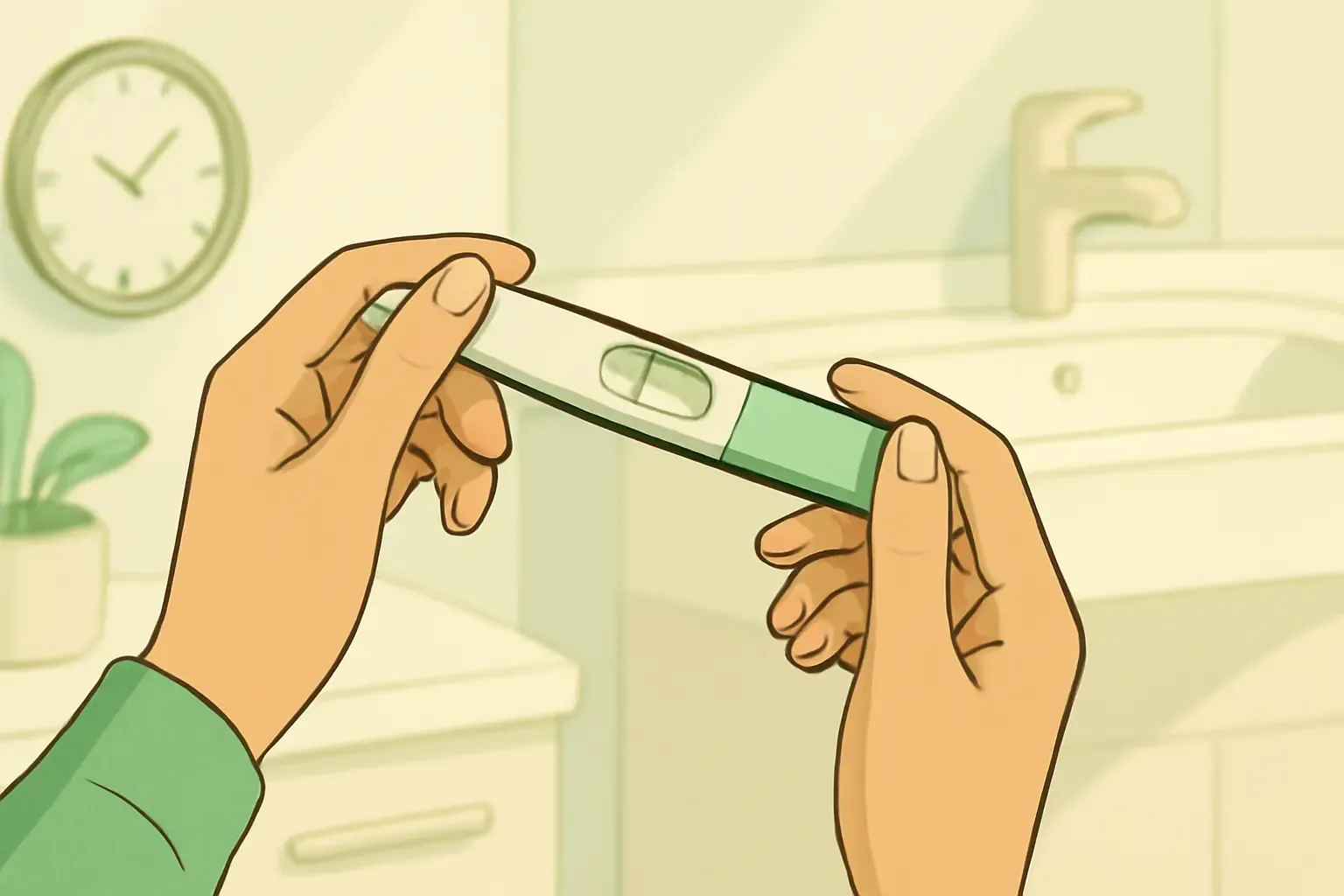
You can test for pregnancy 7–10 days after implantation using a sensitive home pregnancy test. Implantation usually occurs 6–10 days after ovulation. Testing too early can result in false negatives because hCG levels may not be high enough to detect.
Key Takeaways
- Wait at least 6-12 days after implantation for the most accurate pregnancy test results
- hCG levels must reach 20-25 mIU/mL for most home pregnancy tests to detect pregnancy
- Testing too early can result in false negatives, even if you are pregnant
- First morning urine provides the highest hCG concentration for testing
The two-week wait after ovulation can feel endless when you’re hoping for a positive pregnancy test. Every day that passes brings a mix of excitement and anxiety, leaving many wondering: how soon after implantation can I test for the most reliable results?
Understanding the science behind implantation and hormone production is crucial for timing your pregnancy test correctly. Implantation – when a fertilized embryo attaches to the uterine wall – typically occurs 6-12 days after ovulation, marking the beginning of detectable pregnancy hormones in your system.
Testing too early is one of the most common reasons for disappointing false negatives, even when pregnancy has occurred. In this comprehensive guide, you’ll learn exactly when to test after implantation, how hCG levels affect accuracy, and practical tips to maximize your chances of getting reliable results the first time.
When Can You Take a Pregnancy Test After Implantation?
Implantation occurs when a fertilized embryo successfully attaches to the thickened lining of your uterus, typically 6-12 days after ovulation. This process triggers the production of human chorionic gonadotropin (hCG), the hormone that pregnancy tests detect.
Most healthcare professionals recommend waiting at least 6-12 days after suspected implantation before taking a home pregnancy test. This translates to approximately 12-14 days after ovulation or around the time of your expected period.
Here’s why timing matters so much:
Days 1-3 after implantation: hCG levels are often too low for detection, while days 7+ after implantation make standard pregnancy tests much more reliable.
Testing before this window significantly increases your risk of a false negative result. Even if implantation has occurred successfully, hCG levels may not have risen enough for your test to detect.
Implantation Timeline and Detection Rates:
| Days After Implantation | Average hCG Level | Detection Rate | Recommendation |
| 1-3 days | <5 mIU/mL | 0-5% | Too early to test |
| 4-6 days | 5-15 mIU/mL | 10-30% | Wait if possible |
| 7-9 days | 15-40 mIU/mL | 60-80% | Early detection tests may work |
| 10-12 days | 40-100 mIU/mL | 95%+ | Reliable testing window |
| 13+ days | 100+ mIU/mL | 99%+ | Optimal testing time |
Implantation bleeding, which affects about 25% of pregnant women, can sometimes be mistaken for a light period. This light spotting typically occurs 10-14 days after conception and lasts 1-3 days. If you experience implantation bleeding, wait at least 3-4 days afterward before testing to allow hCG levels to rise sufficiently.
Research Insight: According to a 1999 study published in the New England Journal of Medicine by Wilcox et al., 84% of pregnancies with implantation by day 9 post-ovulation result in live births, compared to only 52% of pregnancies with implantation after day 10. Early implantation generally correlates with better pregnancy outcomes.
How hCG Levels Affect Pregnancy Test Accuracy
Human chorionic gonadotropin (hCG) is often called the “pregnancy hormone” because it’s produced exclusively by the placenta after a fertilized egg implants in the uterus. Understanding how hCG levels rise can help you choose the optimal testing time.
After implantation, hCG levels follow a predictable pattern of doubling approximately every 48-72 hours in early pregnancy, reaching peak levels between 8-11 weeks.
Standard home pregnancy tests require hCG levels of 20-25 mIU/mL to produce a positive result. More sensitive “early detection” tests can detect levels as low as 6.5-12.5 mIU/mL.
Here’s a typical hCG progression timeline:
- 7-10 days post-ovulation: 0-5 mIU/mL (pre-implantation)
- 11-12 days post-ovulation: 10-25 mIU/mL (early implantation)
- 13-14 days post-ovulation: 25-50 mIU/mL (detectable by most tests)
- 15-16 days post-ovulation: 50-100 mIU/mL (clearly positive results)
Detailed hCG Progression by Week:
| Weeks from LMP | hCG Range (mIU/mL) | Doubling Time |
| 3 weeks | 5-50 | 48-72 hours |
| 4 weeks | 5-426 | 48-72 hours |
| 5 weeks | 18-7,340 | 48-72 hours |
| 6 weeks | 1,080-56,500 | 72-96 hours |
| 7-8 weeks | 7,650-229,000 | 72-96 hours |
| 9-12 weeks | 25,700-288,000 | 96 hours |
Individual variation is significant – some women produce hCG more quickly than others, and implantation timing can vary by several days. This explains why two women with the same conception date might get positive tests on different days.
Low hCG levels in very early pregnancy don’t necessarily indicate a problem, but they can lead to frustrating false negatives if you test too soon. Patience, though difficult, often leads to more accurate and less stressful results.
Research from the National Institutes of Health shows that hCG becomes detectable in blood 11 days after conception on average, and in urine approximately 12-14 days after conception. However, individual variation means that 10% of women may not have detectable levels until 15-16 days post-conception.
How to Choose the Right Pregnancy Test
Not all pregnancy tests are created equal. Understanding the differences can help you select the best option for your situation and timeline.
Home Urine Tests vs. Blood Tests
Home urine tests are convenient and private, but they’re less sensitive than blood tests performed at a doctor’s office. Most detect hCG levels of 20-25 mIU/mL, though some early detection versions can identify levels as low as 6.5 mIU/mL.
Blood tests ordered by healthcare providers are more sensitive than home tests and can detect pregnancy 6-8 days after ovulation. They include qualitative tests that confirm pregnancy and quantitative tests that measure exact hCG levels for monitoring early pregnancy progression.
Blood tests can detect pregnancy 6-8 days after ovulation, several days earlier than most home tests.
Understanding Test Sensitivity
Test sensitivity, measured in mIU/mL, ranges from ultra-sensitive early detection tests (6.5-10 mIU/mL) to standard tests (20-25 mIU/mL). Higher sensitivity allows earlier detection but may be more expensive.
Brand reliability matters significantly. Stick to well-known brands that have undergone FDA approval and clinical testing. Generic tests can be effective but may have less consistent sensitivity levels.
Digital vs. Line Tests
Digital tests display clear “Pregnant” or “Not Pregnant” results, eliminating guesswork about faint lines. However, they’re typically not more sensitive than traditional line tests and cost significantly more.
Traditional line tests require interpretation but often provide earlier detection. A faint line is still a positive result, as even small amounts of hCG will create a visible line.
Consider your comfort level with ambiguity when choosing between digital and line tests. If you prefer clear, unambiguous results and don’t mind waiting a few extra days, digital tests offer peace of mind.
Signs You May Be Ready to Test
While pregnancy tests provide the most reliable confirmation, certain signs can indicate that implantation has occurred and testing may be worthwhile.
Early Pregnancy Symptoms After Implantation
Physical symptoms that may appear 6-12 days after ovulation include implantation bleeding (light spotting), mild cramping, breast tenderness, fatigue, nausea, and frequent urination.
Important caveat: These symptoms vary dramatically between individuals and pregnancies. Some women experience no early symptoms, while others notice multiple signs. Symptoms alone cannot confirm pregnancy – only a positive test or blood work can provide definitive answers.
Early Pregnancy Symptom Timeline:
| Symptom | Days After Ovulation | Percentage of Women Affected | Peak Timing |
| Implantation bleeding | 6-12 DPO | 15-25% | 7-10 DPO |
| Breast tenderness | 7-14 DPO | 70-80% | 6-8 weeks |
| Mild cramping | 6-12 DPO | 30-40% | 8-10 DPO |
| Fatigue | 10-14 DPO | 85-90% | 8-12 weeks |
| Nausea | 14-21 DPO | 70-80% | 6-12 weeks |
| Frequent urination | 14-21 DPO | 60-70% | 8+ weeks |
| Food aversions | 14-28 DPO | 50-60% | 6-10 weeks |
Tracking Ovulation and Implantation Timing
Ovulation tracking through basal body temperature monitoring, ovulation predictor kits, cervical mucus changes, or calendar methods can help you estimate implantation timing by adding 6-12 days to your ovulation date.
If you’ve been tracking ovulation, add 6-12 days to your ovulation date to estimate your earliest realistic testing window.
Recognizing Implantation Bleeding
Implantation bleeding appears as light pink or brown spotting lasting 1-3 days, occurring 10-14 days after conception. This differs from regular periods, which typically show bright red flow for 3-7 days with moderate to heavy volume.
Research published in Human Reproduction (2010) found that only 15-25% of pregnant women experience implantation bleeding. The study of 151 pregnancies found that women who experienced first-trimester bleeding (including implantation bleeding) were just as likely to have successful pregnancies as those who didn’t, when the bleeding was light and brief.
If you experience what might be implantation bleeding, wait 3-4 days before testing to allow hCG levels to rise adequately.
Tips for Accurate Testing
Following proper testing procedures significantly improves your chances of getting accurate results and avoiding the disappointment of false negatives.
Timing Your Test Correctly
Use first morning urine whenever possible. After sleeping for 6-8 hours without urinating, your urine contains the highest concentration of hCG. This is especially crucial for early testing when hormone levels are still relatively low.
Wait until after your missed period for the most reliable results. While early detection tests can work sooner, waiting until your period is due reduces the likelihood of false negatives and repeat testing stress.
Avoid excessive fluid intake before testing, as diluted urine can lead to false negative results. If you must test later in the day, try to hold your urine for at least 4 hours beforehand.
Proper Test Handling and Storage
Store tests correctly by keeping them in a cool, dry place away from direct sunlight. Extreme temperatures can affect test sensitivity and accuracy.
Check expiration dates before use. Expired tests may not work properly and can give unreliable results.
Read instructions carefully for each specific test brand, as procedures can vary slightly. Pay attention to timing requirements – reading results too early or too late can affect accuracy.
Following Test Instructions Precisely
Collect urine properly using the method specified by your test:
- Midstream collection: Start urinating, then collect sample midway through
- Dip tests: Immerse test strip to the specified line for the exact time indicated
- Stream tests: Hold directly in urine stream for recommended duration
Wait the specified time before reading results. Most tests require 3-5 minutes, but timing varies by brand. Setting a timer prevents premature result reading.
Read results within the time window specified in instructions. Results read after the maximum time limit may show false positives due to evaporation lines.
When to Retest
Retest after 2-3 days if your initial test is negative but your period hasn’t arrived. hCG levels double rapidly in early pregnancy, so waiting a few days can make the difference between negative and positive results.
Consider retesting with first morning urine if your initial test was taken later in the day with a negative result.
Try a different test brand if you get conflicting results, as sensitivity levels vary between manufacturers.
When to Consult a Doctor
While home pregnancy tests are highly accurate when used correctly, certain situations warrant professional medical evaluation.
Situations Requiring Medical Consultation
Contact your healthcare provider if you experience:
- Conflicting test results: Multiple tests showing different outcomes
- Persistent negative tests with pregnancy symptoms: Continued symptoms despite negative home tests
- Severe abdominal pain: Sharp, intense pain that could indicate ectopic pregnancy
- Heavy bleeding with positive test: Significant bleeding after a positive result
- Irregular cycles making timing difficult: Unpredictable periods that make testing timing challenging
Professional Testing Options
Quantitative blood tests (beta hCG) provide exact hormone level measurements, allowing doctors to:
- Confirm pregnancy earlier than home tests
- Monitor hormone progression in early pregnancy
- Detect potential complications like ectopic pregnancy
- Evaluate possible pregnancy loss
Qualitative blood tests simply confirm pregnancy presence and are typically as accurate as home urine tests but can detect pregnancy slightly earlier.
Pelvic ultrasounds can confirm pregnancy location and viability, typically performed 6-8 weeks after your last menstrual period.
When Professional Guidance is Essential
Seek immediate medical attention for:
- Severe pelvic pain with positive pregnancy test: Could indicate ectopic pregnancy
- Heavy bleeding with clots: May suggest miscarriage or other complications
- Dizziness or fainting with abdominal pain: Possible signs of internal bleeding
Schedule routine prenatal care once pregnancy is confirmed. Early prenatal visits establish baseline health information and begin important pregnancy monitoring.
Your healthcare provider can also help interpret confusing test results and provide guidance tailored to your specific health history and circumstances.
Conclusion
Timing is everything when it comes to accurate pregnancy testing after implantation. While the wait can feel overwhelming, testing at least 6-12 days after suspected implantation – or ideally after your missed period – gives you the best chance of reliable results.
Remember that hCG levels and test sensitivity work together to determine accuracy. Early detection tests can provide answers sooner, but standard tests after a missed period offer the most dependable results with less chance of false negatives.
Stay patient with the process and trust that waiting a few extra days often saves you from the emotional rollercoaster of retesting. If you have any concerns about timing, symptoms, or test results, don’t hesitate to consult with your healthcare provider for professional guidance and peace of mind.
Frequently Asked Questions
What are the symptoms of implantation vs. early pregnancy?
Implantation symptoms include light spotting, mild cramping, and slight breast tenderness occurring 6-12 days after ovulation. Early pregnancy symptoms develop later and include nausea, fatigue, missed periods, and more pronounced breast changes.
Can implantation bleeding affect a pregnancy test?
Implantation bleeding itself doesn’t affect test accuracy, but it can help you identify optimal testing timing. Wait 3-4 days after implantation bleeding ends to allow hCG levels to rise sufficiently for detection.
What should I do if my test is negative but I still think I’m pregnant?
Wait 2-3 days and retest with first morning urine, as hCG levels double rapidly in early pregnancy. If you continue getting negative results but miss your period, consult your healthcare provider for a blood test.