How Women Can Stay Healthy and Energized in Office Environments
<p>Working in an office environment presents unique challenges for women who want to maintain their health and energy levels. Long hours at a desk, constant screen exposure, sedentary routines, and…
- Published
- Written by
- Women In Balance Team
- Reading time
- 5 minutes
Working in an office environment presents unique challenges for women who want to maintain their health and energy levels. Long hours at a desk, constant screen exposure, sedentary routines, and workplace stress can all impact physical and mental wellbeing. However, with intentional habits and small lifestyle adjustments, women can thrive professionally without compromising their health. This guide provides practical strategies to help women stay healthy, focused, and energized while navigating the demands of office life.
1. Prioritize Physical Activity
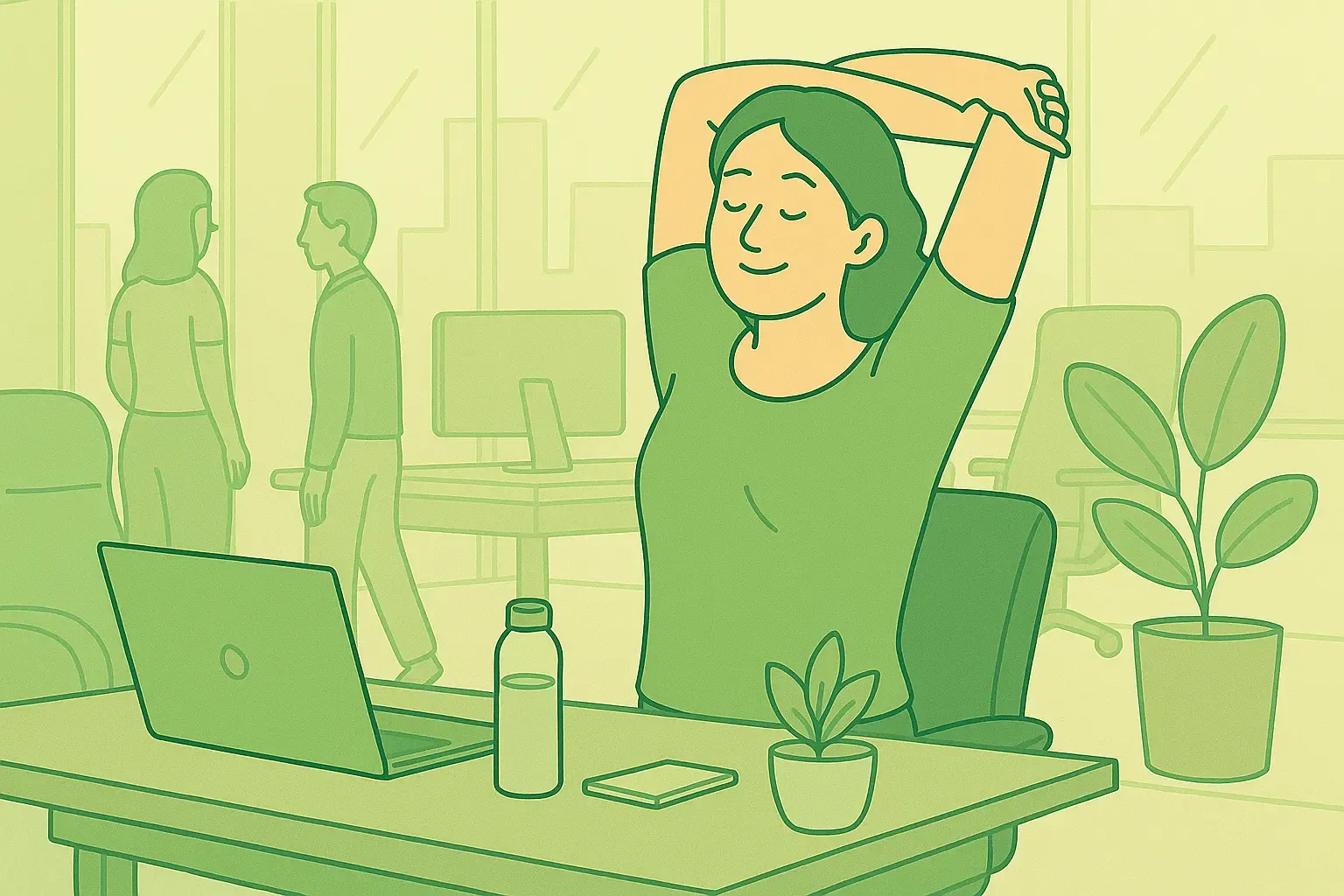
Sedentary behavior is one of the biggest risks for office workers. Prolonged sitting can lead to back pain, poor posture, weight gain, and even cardiovascular issues. To counter these effects, women should incorporate movement throughout the day. Taking short activity breaks by standing up, stretching, or walking around the office for a few minutes every hour can make a significant difference. Using a standing desk or adjustable workstation allows one to alternate between sitting and standing, which reduces strain on the back and promotes better circulation. Additionally, incorporating simple desk exercises for the neck, shoulders, wrists, and legs helps prevent stiffness and discomfort. Engaging in regular physical activity not only benefits the body but also boosts energy and productivity. Even small steps, such as taking the stairs instead of the elevator, contribute to long-term health and overall wellbeing.
2. Maintain a Balanced Diet
Nutrition plays a critical role in sustaining energy levels during long office hours. Skipping meals or relying on processed snacks can cause energy crashes, decreased focus, and digestive issues.
● Plan healthy meals and snacks: Incorporate lean proteins, whole grains, fruits, vegetables, and healthy fats. For those looking to reduce refined sugar, swapping to a natural date sweetener in coffee, smoothies, and baking is a simple upgrade that adds nutrients like potassium and fiber without the blood sugar spike of processed alternatives.
● Stay hydrated: Keep a water bottle at your desk and aim to drink enough fluids throughout the day.
● Avoid excessive caffeine and sugar: While a cup of coffee can provide a temporary boost, too much caffeine or sugary snacks can lead to energy fluctuations. Even everyday staples like ketchup and BBQ sauce can be hidden sources of sugar – switching to sugar-free condiments made with real vegetables and fruits is a simple way to cut back without sacrificing flavor.
Meal prepping for the week can help ensure you have access to nutritious options, reducing the temptation of vending machines or fast food during busy days.
3. Protect Eye Health
Working in front of a computer for hours can strain the eyes and contribute to headaches, blurred vision, or dry eyes. Eye care is essential for women in office environments to maintain comfort and productivity throughout the workday. One effective method to reduce eye strain is following the 20-20-20 rule: every 20 minutes, look at an object 20 feet away for 20 seconds. Adjusting screen settings to ensure the brightness and contrast are comfortable, and positioning the monitor at eye level, can also help prevent fatigue and discomfort.
In addition, using protective eyewear can make a significant difference. Anti-glare glasses or blue light filters reduce eye strain caused by prolonged screen exposure. Selecting high-quality eyeglass frames that suit both vision needs and personal style ensures that women can work comfortably while taking care of their eyes. Caring for vision in this way not only promotes daily comfort but also helps prevent long-term vision problems.
4. Manage Stress Effectively
Workplace stress is a common challenge that can affect both mental and physical health. Chronic stress may lead to fatigue, sleep disturbances, anxiety, and even cardiovascular problems.
● Practice mindfulness: Simple techniques like deep breathing, meditation, or short breaks for reflection can help reduce stress levels.
● Organize tasks efficiently: Using to-do lists, prioritizing tasks, and breaking projects into manageable steps can prevent feeling overwhelmed.
● Take mental health breaks: Step away from your desk, enjoy a brief walk, or engage in a relaxing activity during lunch.
Creating a supportive work environment, setting boundaries, and communicating effectively with colleagues also contribute to reduced stress and better overall wellbeing.
5. Prioritize Sleep and Recovery
Adequate sleep is crucial for maintaining energy, focus, and overall health, yet women in office environments often face irregular schedules, late nights, or early mornings that interfere with rest. Establishing a consistent sleep routine is key; going to bed and waking up at the same time every day, even on weekends, helps regulate the body’s internal clock and improves the quality of sleep. Creating a sleep-friendly environment also plays an important role. Keeping the bedroom dark, quiet, and cool, while avoiding screens at least 30 minutes before bedtime, enhances relaxation and promotes restorative rest.
In some cases, short naps during the day can provide a beneficial energy boost. A brief 15 to 20-minute nap can refresh the mind and body without interfering with nighttime sleep. Prioritizing sufficient and consistent rest directly impacts productivity, cognitive function, and mood, making sleep a cornerstone of overall health and wellbeing for women in office settings.
6. Foster Social Connections
Building meaningful relationships at work positively affects mental health and motivation. Social support can reduce stress, increase job satisfaction, and enhance overall wellbeing.
● Engage with colleagues: Take part in team activities, lunch breaks, or casual conversations to maintain connections.
● Seek mentorship: Guidance from experienced colleagues can help navigate challenges and promote professional growth.
● Balance work and personal life: Maintaining connections outside of work is equally important for emotional health.
7. Incorporate Ergonomic Practices
Physical comfort is essential for avoiding chronic pain or injury in an office setting, and ergonomics plays a key role in creating a supportive workspace. Adjusting the chair and desk height so that feet rest flat on the floor and elbows are at a 90-degree angle helps maintain proper posture and reduces strain on the body. Using supportive accessories, such as ergonomic keyboards, mice, and chairs, further minimizes the risk of repetitive strain injuries and contributes to long-term musculoskeletal health.
Proper monitor placement is another important factor. The top of the screen should be at eye level, positioned at least an arm’s length away, to prevent neck and eye strain. By implementing these ergonomic practices, women can significantly reduce discomfort, improve posture, and enhance productivity, allowing them to maintain energy and focus throughout the workday.
Conclusion
Women can thrive in office environments by adopting practical habits that support physical, mental, and emotional health. Incorporating regular movement, balanced nutrition, eye protection, stress management, sufficient sleep, social engagement, and ergonomic practices helps maintain energy and promotes long-term wellbeing. While office life presents challenges, small intentional changes in daily routines can lead to a healthier, more energized, and productive lifestyle.