Mastering Work-Life Balance in Shift-Based Healthcare Roles
<p>It’s often known that shift workers in the healthcare sector have the most challenging schedules. It can be challenging and draining to work on weekends, at night, or on holidays. This also…
- Published
- Written by
- Women In Balance Team
- Reading time
- 2 minutes
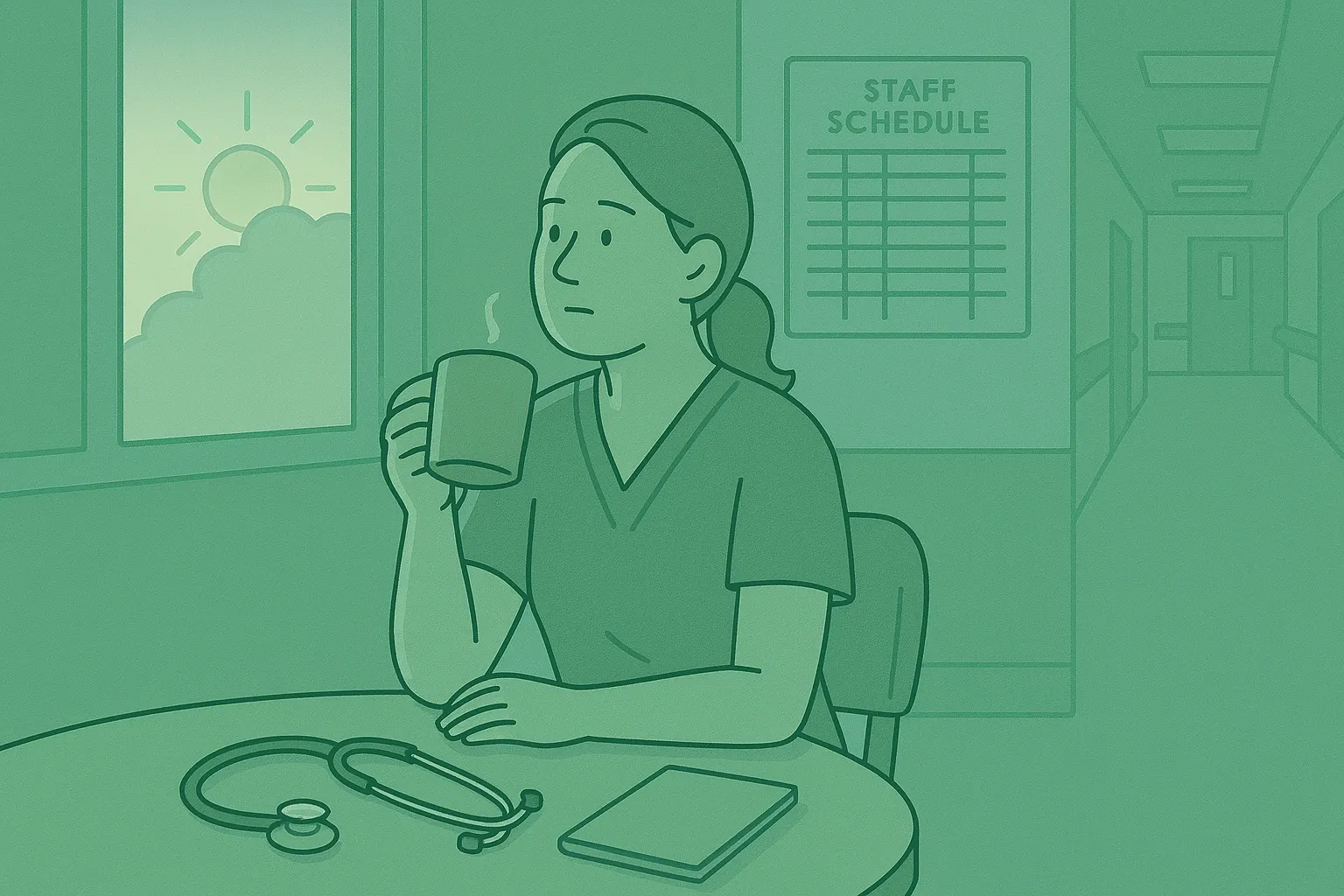
It’s often known that shift workers in the healthcare sector have the most challenging schedules. It can be challenging and draining to work on weekends, at night, or on holidays. This also applies to emergency department physicians, nurse practitioners, and other employees. Hourly changes can throw off circadian rhythms, which makes life much more difficult for families and stops people from showing kindness to each other. As burnout rates climb, groups are looking for ways to assist healthcare workers in managing work and life. Websites like MASC Medical’s, which emphasize the importance of having more than just scheduling assistance, demonstrate this.
Understanding the Stress of Unpredictable Work Hours
To have a better work-life balance, shift workers need to figure out what problems they are having. Working at night might make you worn out, stressed, and sick for a long time. Changes in the schedule may make it difficult to sleep, which can lead to poor choices and suboptimal performance. Important choices put patients and healthcare professionals in danger. To create effective staffing and health programs that prevent burnout, it’s essential to understand these issues.
Organizations’ Role in Balancing Work and Life
Personal relationships are important, but healthcare firms must maintain a fair workplace. Effective scheduling may revitalize and refresh staff. Limiting consecutive night shifts, allowing workers time to relax between shifts, and respecting staff preferences can make a difference. Companies must also foster a supportive environment where employees can discuss their struggles without fear of judgment. Healthcare companies protect their workers and enhance patient results by putting employee wellness first.
Some Personal Ways to Balance Your Opinions
Healthcare workers can balance themselves. Good sleep hygiene is crucial. Darken your windows, set your bedtime, and cut back on afternoon coffee. Fitness and nutrition boost resilience. A balanced diet and regular exercise help alleviate stress and boost energy levels during long shifts. Work-life limits avoid family and sleep disruptions. Self-care can help lower stress, but it cannot completely remove it.
The Value of Supporting Authorities and Organizations
Effective healthcare support structures increase job satisfaction. Friends, family, and coworkers help manage busy schedules. Healthcare peer networks enable workers to collaborate, assist one another, and form bonds. Wellness, mentorship, and EAPs reinforce each other. Personal and professional support structures help individuals cope with transitional stress.
Increasing Flexibility with Technology
Healthcare personnel are increasingly utilizing technology to organize their calendars better and balance work and home life. Digital scheduling allows workers to change shifts or select their preferred options. Healthcare staff have more power with telemedicine and remote consultations. These digital tools help employees balance work and life, eliminating last-minute stress. These methods also alleviate stress.
Transitioning to a Sustainable Balance
Healthcare shift workers must combine work and life, requiring personal and organizational dedication. Happy scheduling, supportive workplace cultures, resilience, and smart technology use can help stressed-out healthcare workers perform better. The healthcare industry makes patients safer and better by encouraging balance. Homeostasis is important for the long-term success and profitability of healthcare.