Ovulation Bleeding: Causes, Symptoms, and Treatment
<p>Ovulation bleeding occurs due to a temporary drop in estrogen during ovulation. Symptoms include light spotting, usually pink or brown, mid-cycle. It typically lasts 1–2 days and doesn’t require…
- Published
- Written by
- Women In Balance Team
- Reading time
- 10 minutes
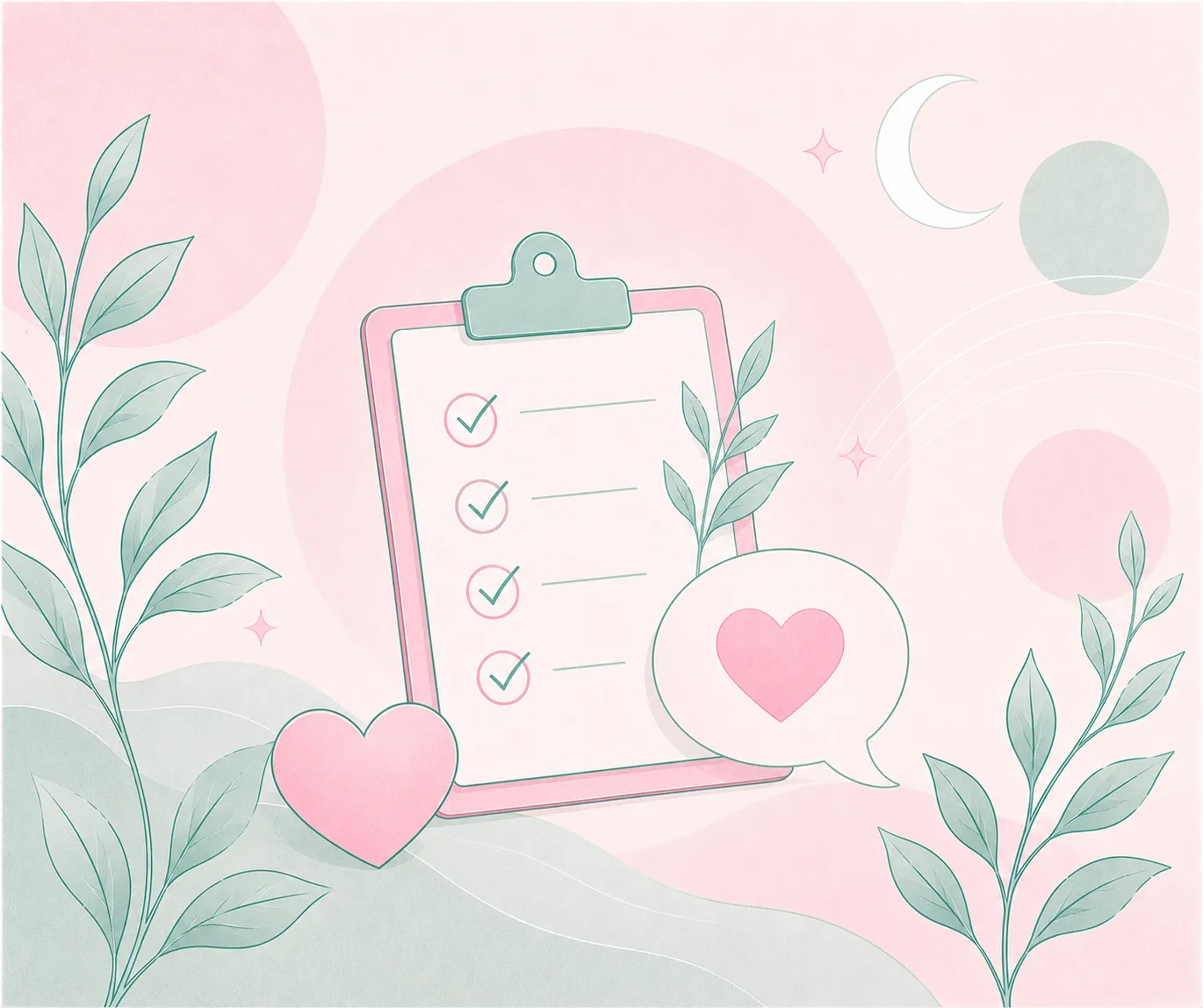
Ovulation bleeding occurs due to a temporary drop in estrogen during ovulation. Symptoms include light spotting, usually pink or brown, mid-cycle. It typically lasts 1–2 days and doesn’t require treatment unless heavy or persistent. Track cycles and consult a doctor if bleeding becomes irregular or painful.
Key Takeaways
- Ovulation bleeding affects approximately 10-20% of women and appears as light spotting mid-cycle
- This type of bleeding is typically caused by hormonal fluctuations during ovulation and is usually harmless
- Spotting during ovulation lasts 1-2 days and differs from period bleeding in timing, flow, and color
If you’ve noticed light spotting between periods, you’re not alone. Ovulation bleeding is a common occurrence that affects up to one in five women during their reproductive years. While it can be surprising or even concerning the first time it happens, this mid-cycle spotting is typically a normal part of your menstrual cycle.
Understanding ovulation bleeding can help you better track your fertility, recognize your body’s patterns, and know when spotting might signal something that needs medical attention. Whether you’re trying to conceive or simply want to understand your reproductive health better, knowing what causes this bleeding and how to identify it is an important part of women’s health awareness.
What Is Ovulation Bleeding?
Ovulation bleeding, also called ovulatory spotting, is light vaginal bleeding that occurs during ovulation when your ovary releases an egg. Unlike menstrual bleeding, this spotting happens mid-cycle, typically between days 12-16 of a standard 28-day cycle.
The bleeding usually appears as pink or light brown spotting rather than the bright red flow of a regular period. Most women who experience it notice only a small amount of blood, often just enough to be visible on toilet paper or requiring only a panty liner.
Characteristics of ovulation bleeding include:
- Occurs during the fertile window, around 14 days before the next expected period
- Lasts only 1-2 days, significantly shorter than menstrual bleeding
- Appears lighter in color and volume compared to period blood
- May be accompanied by other ovulation symptoms
Research indicates that approximately 10-20% of women experience ovulation bleeding regularly. For some, it happens occasionally, while others may notice it consistently each cycle. This variation is completely normal and doesn’t indicate a fertility problem.
Causes of Ovulation Bleeding
Understanding why bleeding during ovulation occurs can help you feel more confident about this natural process. Several physiological factors contribute to mid-cycle spotting.
Hormonal fluctuations are the primary cause of ovulation bleeding. During ovulation, estrogen levels peak and then drop sharply after the egg is released. This sudden decrease in estrogen can cause the uterine lining to shed slightly before progesterone levels rise to stabilize it. This hormonal shift is a normal part of your cycle, and research published in the American Journal of Epidemiology has linked midcycle spotting to specific FSH and progesterone patterns across the cycle.
Follicle rupture also plays a role. When the mature follicle ruptures to release the egg, it can cause a small amount of bleeding from the ovary. While this blood doesn’t always reach the vagina, it can sometimes result in the light spotting you observe.
Cervical changes during ovulation may contribute to spotting as well. The cervix undergoes changes throughout your cycle, becoming softer and producing more mucus during fertile days. In some cases, increased blood flow to the cervix or minor cervical sensitivity can lead to light bleeding.
It’s important not to confuse ovulation bleeding with implantation bleeding, which occurs later (typically 6-12 days after ovulation) if pregnancy occurs. Implantation bleeding happens when a fertilized egg attaches to the uterine wall, while ovulation bleeding occurs before any potential conception.
In most cases, ovulation bleeding is simply a natural response to your body’s hormonal cycles and doesn’t indicate any underlying health problem.
Symptoms That May Accompany Ovulation Bleeding
Ovulation bleeding rarely occurs in isolation. Most women experience it alongside other telltale signs that ovulation is taking place.
Mittelschmerz, or ovulation pain, is one of the most common accompanying symptoms, and clinical data suggests it may affect more than 40% of women of reproductive age. This mild cramping or sharp twinge typically occurs on one side of the lower abdomen, corresponding to whichever ovary is releasing an egg that cycle. The discomfort usually lasts from a few minutes to a few hours, though some women feel it for a day or two.
Increased cervical mucus production is another key indicator. During ovulation, your body produces clear, slippery cervical mucus that resembles raw egg whites. This fertile-quality mucus helps sperm travel through the cervix and can be more noticeable when you’re also experiencing spotting.
Breast tenderness often develops around ovulation due to hormonal changes. Your breasts may feel fuller, more sensitive, or slightly sore. This symptom typically resolves once progesterone levels stabilize after ovulation.
Basal body temperature shifts provide another clue. If you track your temperature, you may notice a slight increase (0.5-1°F) after ovulation occurs. This temperature rise, combined with spotting, can help confirm that ovulation has taken place.
Other symptoms some women report include:
- Increased libido during the fertile window
- Mild bloating or abdominal fullness
- Heightened sense of smell
- Light headaches
Remember that ovulation spotting should remain light throughout. Heavy bleeding mid-cycle is not typical of ovulation and warrants medical evaluation.
How Long Does Ovulation Bleeding Last?
One of the distinguishing features of ovulation bleeding is its brief duration. Most women who experience this type of spotting notice it for only 1-2 days, with many seeing just a few hours of light bleeding.
The bleeding should not be prolonged or become progressively heavier. If you notice spotting that continues for more than two days or increases in flow, it’s less likely to be related to ovulation and may indicate another condition that needs attention.
Tracking your cycles can help you identify patterns and distinguish normal ovulation bleeding from other types of spotting. A 2015 population-based study in PLOS ONE of more than 3,700 women found that not every regular menstrual cycle is actually ovulatory, so monitoring signs like spotting can offer useful insight. Consider noting:
- The exact timing of spotting in relation to your period
- The color and amount of blood
- Any accompanying symptoms
- How long the spotting lasts
Consistency in timing is a strong indicator that you’re experiencing ovulation bleeding. If spotting regularly appears around the same point in your cycle (typically mid-cycle), it’s more likely to be ovulation-related.
Women with irregular cycles may find it more challenging to pinpoint ovulation bleeding. In these cases, using ovulation predictor kits or monitoring other fertility signs alongside spotting can provide additional confirmation.
If you experience spotting at various times throughout your cycle without a predictable pattern, or if the bleeding becomes heavier or more frequent, schedule an appointment with your healthcare provider for evaluation.
When to See a Doctor
While ovulation bleeding is typically harmless, certain signs warrant medical attention. Knowing when to seek professional evaluation can help ensure any underlying conditions are addressed promptly.
Consult your healthcare provider if you experience:
- Heavy bleeding that requires more than a panty liner or soaks through pads
- Spotting that occurs frequently throughout your cycle, not just mid-cycle
- Bleeding that lasts longer than 2-3 days during ovulation
- Severe pelvic pain or cramping that interferes with daily activities
- Fever, chills, or unusual vaginal discharge accompanying the bleeding
- Sudden changes in your bleeding patterns after years of regularity
These symptoms could indicate conditions such as uterine fibroids, which are non-cancerous growths in the uterus that can cause abnormal bleeding. Endometriosis, where uterine tissue grows outside the uterus, may also cause mid-cycle bleeding along with pain.
Infections like pelvic inflammatory disease or cervical infections can produce spotting and require antibiotic treatment. Polyps on the cervix or in the uterus are another potential cause of irregular bleeding that may need removal.
It’s important to note that self-diagnosing can be risky, especially with reproductive health concerns. While online resources provide helpful information, they cannot replace a proper medical examination and diagnostic testing.
If you’re unsure whether your symptoms are normal, it’s best to schedule an appointment for peace of mind. Your healthcare provider can perform a pelvic exam, review your medical history, and order tests if necessary to rule out any serious conditions.
Ovulation Bleeding Treatment and Management Options
The good news is that most cases of ovulation bleeding require no treatment at all. Since it’s a natural occurrence related to normal hormonal fluctuations, intervention is typically unnecessary unless the spotting bothers you or indicates an underlying condition.
Hormonal birth control is the most effective option if you want to eliminate ovulation bleeding. Birth control pills, patches, or hormonal IUDs work by preventing ovulation altogether. Without ovulation, there’s no mid-cycle hormonal fluctuation to trigger spotting. Many women who start hormonal contraception for other reasons find that their ovulation bleeding stops as a side effect.
When treatment becomes necessary, it’s usually because testing has revealed an underlying cause. For example:
- Polyps or fibroids may require surgical removal
- Infections need appropriate antibiotic treatment
- Hormonal imbalances might be addressed with specific medications
- Endometriosis may require specialized treatment approaches
Lifestyle strategies can support overall menstrual health, even if they don’t directly stop ovulation bleeding:
- Managing stress through relaxation techniques or exercise
- Maintaining a healthy weight, as significant weight fluctuations can affect cycles
- Getting adequate sleep to support hormonal balance
- Tracking your cycles to understand your body’s patterns
If your ovulation bleeding pattern suddenly changes after being consistent for months or years, seek medical evaluation. Changes in bleeding patterns can sometimes signal new health concerns that need assessment.
Remember that what works for one woman may not work for another. Your healthcare provider can help you determine whether any intervention is necessary based on your individual circumstances and health goals.
Differences Between Period and Ovulation Bleeding
Many women initially confuse ovulation bleeding with irregular period bleeding or spotting from other causes. Understanding the key differences can help you identify what you’re experiencing.
Timing is the clearest distinguisher. Ovulation bleeding occurs mid-cycle, approximately 12-16 days before your next expected period. In contrast, period bleeding happens at the end of your cycle when the uterine lining sheds completely. If you track your cycles, ovulation spotting should appear roughly two weeks after your last period started.
Flow levels differ significantly. Ovulation bleeding is minimal, usually requiring only a panty liner or visible just when wiping. Menstrual bleeding is substantially heavier, typically requiring pads or tampons and flowing steadily over several days.
Color variations provide important clues:
- Ovulation bleeding: Pink, light red, or brown
- Period bleeding: Bright to dark red, often with clots
Duration is another key factor. Ovulation spotting lasts 1-2 days at most, while periods typically continue for 3-7 days. If bleeding extends beyond two days, it’s more likely to be breakthrough bleeding or an early/late period rather than ovulation-related.
Associated symptoms also differ:
- With ovulation: Mild cramping on one side, fertile cervical mucus, breast tenderness
- With periods: Stronger cramps throughout the lower abdomen, mood changes, fatigue, and other PMS symptoms
Understanding these differences helps you track your reproductive health more accurately and recognize when something might be outside the normal range.
Conclusion
Ovulation bleeding is a normal physiological occurrence that affects 10-20% of women during their reproductive years. This light, brief spotting results from hormonal fluctuations during ovulation and typically requires no medical intervention. Understanding this mid-cycle bleeding helps you better track your fertility, recognize your body’s natural patterns, and distinguish normal spotting from signs that need medical attention.
While ovulation bleeding is usually harmless, always consult your healthcare provider if you experience heavy bleeding, severe pain, or significant changes in your bleeding patterns. For women trying to conceive, recognizing ovulation bleeding can serve as a helpful fertility indicator, signaling your most fertile days.
Take action today: Start tracking your menstrual cycle and any spotting you experience. Note the timing, duration, and characteristics of any bleeding. This information not only helps you understand your body better but also provides valuable data for your healthcare provider if concerns arise.
Remember, every woman’s cycle is unique. What matters most is understanding your own patterns and feeling confident in recognizing what’s normal for you.
Frequently Asked Questions
Can stress cause ovulation spotting?
Yes, high stress levels can affect your hormonal balance and potentially contribute to ovulation spotting or make it more noticeable. Stress management techniques may help regulate your cycle.
Does implantation bleeding happen during ovulation?
No, implantation bleeding occurs 6-12 days after ovulation when a fertilized egg attaches to the uterine wall. Ovulation bleeding happens during egg release, which is before any potential conception.
What is the difference between ovulation bleeding and implantation bleeding?
Ovulation bleeding occurs mid-cycle during egg release and lasts 1-2 days, while implantation bleeding happens about a week later if pregnancy occurs and may appear slightly darker with different timing relative to your expected period.