Why Did My Period Come Early? 8 Common Reasons
<p>Key Takeaways Getting your period earlier than expected can feel unsettling and leave you wondering what’s going on with your body. If you’re asking “why did my period come early,” you’re not…
- Published
- Written by
- Women In Balance Team
- Reading time
- 10 minutes
Key Takeaways
- Early periods are usually caused by stress, hormonal changes, or lifestyle factors rather than serious medical conditions
- An “early” period typically means arriving more than a few days before your expected date
- Tracking your menstrual cycle helps identify patterns and provides valuable information for healthcare providers
- Most early period causes resolve on their own, but persistent irregularities warrant medical consultation
Getting your period earlier than expected can feel unsettling and leave you wondering what’s going on with your body. If you’re asking “why did my period come early,” you’re not alone—this is one of the most common menstrual concerns women experience. While an early period can be surprising, it’s usually not a sign of anything serious.
An early period can result from stress, hormonal fluctuations, changes in birth control, intense exercise, perimenopause, thyroid disorders, weight changes, or illness. Each factor affects hormone regulation or ovulation timing, leading to irregular or early bleeding in the menstrual cycle.
Understanding the potential causes behind early menstruation can help ease your worries and give you the knowledge to better manage your reproductive health. From stress and lifestyle changes to hormonal fluctuations, there are several reasons why your cycle might shift unexpectedly.
What Is Considered an Early Period?
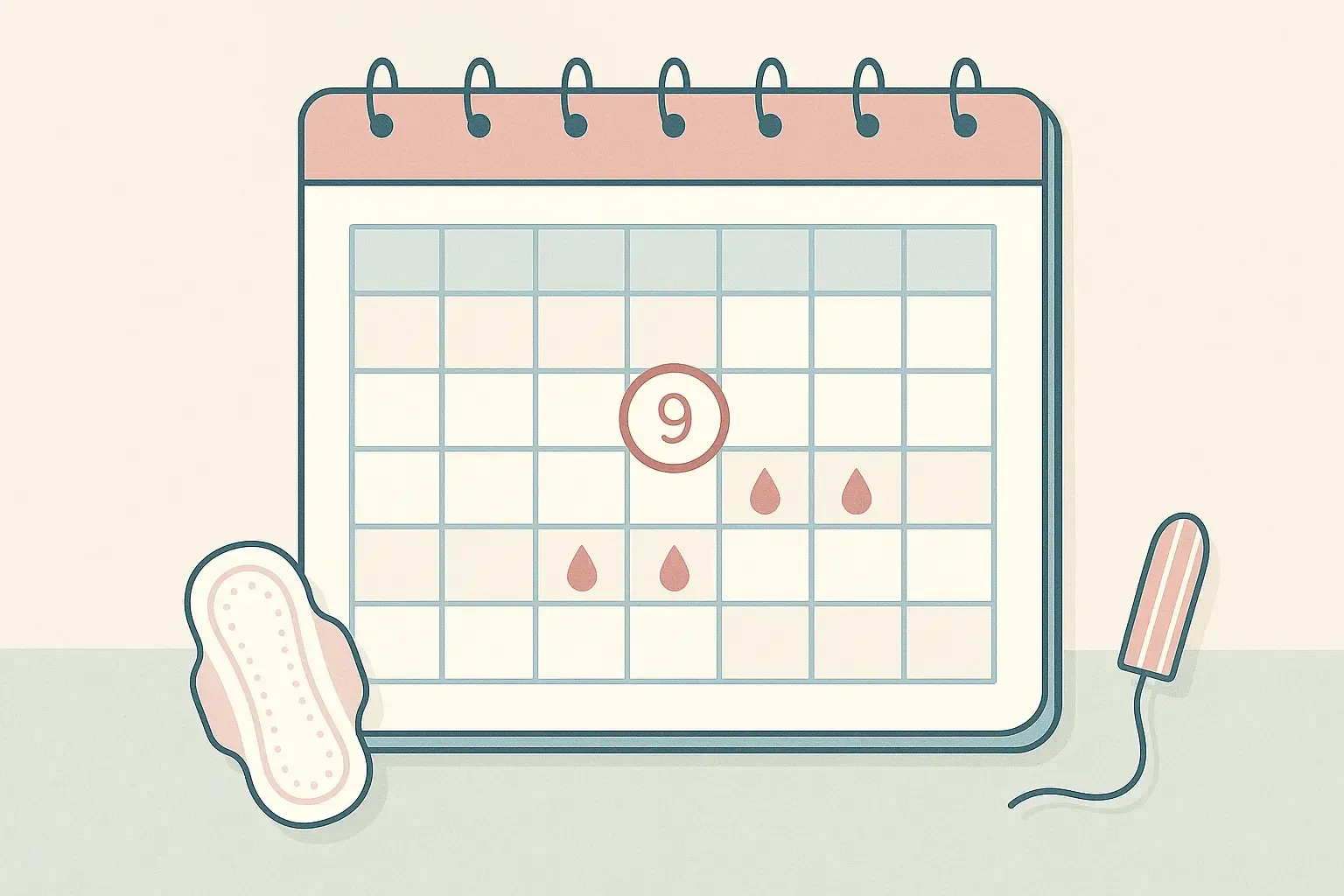
Before diving into the causes, it’s important to understand what actually constitutes an “early” period. Generally, a period is considered early if it arrives more than a few days before your expected start date.
The typical menstrual cycle ranges from 21 to 35 days, with most women experiencing cycles around 28 days. However, individual variation is completely normal—some women naturally have shorter cycles while others have longer ones.
Normal vs. Early Period Timeline
| Cycle Type | Cycle Length | When to Be Concerned |
|---|---|---|
| Normal Cycle | 21-35 days (average 28) | N/A – within normal range |
| Slightly Early | 3-7 days before expected | Usually normal if occasional |
| Moderately Early | 8-14 days before expected | Monitor if happens repeatedly |
| Very Short Cycle | Less than 21 days | Consult doctor if consistent |
| Multiple Per Month | Two periods in one month | May be normal if cycle is 21-24 days |
Your cycle length is measured from the first day of one period to the first day of the next. If your periods usually come every 28 days but this month it arrived on day 24, that would be considered early.
It’s also worth noting that not all early bleeding is necessarily a true period. Sometimes what appears to be an early period is actually spotting—lighter bleeding that can occur for various reasons throughout your cycle.
Common Reasons Your Period Came Early
Multiple biological and environmental factors can influence your menstrual cycle timing. Your reproductive system is sensitive to changes both inside and outside your body, which means various triggers can cause your period to arrive ahead of schedule.
Understanding these potential causes can help you identify patterns in your own cycle and determine whether your early period is a one-time occurrence or part of a larger trend worth discussing with your healthcare provider.
1. Stress and Lifestyle Factors
Stress is one of the most common culprits behind irregular menstrual cycles. When you’re under significant stress, your body produces higher levels of cortisol, a hormone that can interfere with your reproductive hormones and disrupt normal ovulation patterns.
This disruption doesn’t just come from major life events—everyday stressors can also impact your cycle:
- Work pressures and deadlines
- Relationship difficulties
- Financial worries
- Sleep disruption or insomnia
- Major life changes like moving or starting a new job
Your body doesn’t distinguish between different types of stress, so even positive changes like a promotion or vacation can potentially affect your cycle timing. When stress hormones interfere with estrogen and progesterone production, it can cause your period to come early or late.
2. Changes in Birth Control or Medication
Starting, stopping, or switching birth control methods is a frequent cause of cycle irregularities, including early periods. Your body needs time to adjust to hormonal changes, which can temporarily throw off your normal timing.
Common birth control-related causes include:
- Starting hormonal birth control (pills, patches, rings, or injections)
- Switching between different types of hormonal contraception
- Missing birth control pills or taking them inconsistently
- Removing or inserting an IUD
- Using emergency contraception
Even non-hormonal medications can sometimes affect your cycle. Certain psychiatric medications, blood thinners, and anti-inflammatory drugs may influence menstrual timing as a side effect.
Most birth control-related irregularities resolve within 2-3 months as your body adjusts to the new hormone levels.
3. Hormonal Imbalance
Your menstrual cycle depends on a delicate balance of hormones, particularly estrogen and progesterone. When these hormones fluctuate outside their normal ranges, it can cause your period to arrive early.
Several conditions can lead to hormonal imbalances:
- Thyroid disorders (both overactive and underactive thyroid)
- Polycystic ovary syndrome (PCOS)
- Insulin resistance
- Adrenal gland disorders
Even temporary hormonal shifts caused by illness, medication, or lifestyle changes can affect your cycle. These imbalances often correct themselves, but persistent irregularities may indicate an underlying condition that requires medical attention.
4. Intense Physical Activity or Weight Changes
Excessive exercise or sudden changes in your weight can significantly impact your menstrual cycle. Your reproductive system requires adequate energy reserves to function properly, and dramatic changes can signal your body to adjust hormone production.
Athletes and women who engage in intense training often experience menstrual irregularities, including:
- Early or missed periods
- Lighter or heavier bleeding
- Shorter or longer cycles
Similarly, rapid weight loss or gain can affect your cycle timing. Fat tissue produces estrogen, so significant weight changes alter your body’s hormone levels. Whether you’ve lost weight through dieting, illness, or stress, or gained weight quickly, these changes can cause your period to come early.
Common Causes of Early Periods & What You Can Do
| Cause | Why It Happens | What You Can Do |
|---|---|---|
| Stress | Cortisol disrupts reproductive hormones | Practice stress management, adequate sleep |
| Birth Control Changes | Body adjusting to new hormones | Give it 2-3 months; track patterns |
| Weight Changes | Fat tissue affects estrogen levels | Maintain healthy, stable weight |
| Intense Exercise | Low energy availability affects hormones | Balance activity with adequate nutrition |
| Illness/Infection | Body prioritizes immune function | Usually resolves after recovery |
| Thyroid Issues | Thyroid hormones affect cycle regulation | Get thyroid levels checked by doctor |
| PCOS | Hormonal imbalance affects ovulation | Consult doctor for diagnosis & treatment |
| Perimenopause | Declining ovarian function (40s-50s) | Normal transition; discuss symptoms with doctor |
5. Spotting Mistaken for a Period
Sometimes what you think is an early period is actually spotting—light bleeding that occurs between periods. Spotting is typically much lighter than menstrual flow and may be pink, brown, or light red in color.
Common causes of spotting include:
- Ovulation bleeding: Light spotting that occurs mid-cycle when the egg is released
- Hormonal fluctuations: Minor hormone changes throughout your cycle
- Implantation bleeding: Light bleeding that occurs when a fertilized egg attaches to the uterine lining
- Cervical irritation: From sexual activity, medical exams, or infections
Spotting usually lasts only a day or two and doesn’t require a pad or tampon. If you’re unsure whether you’re experiencing spotting or an actual early period, consider the flow intensity and duration.
6. Illness or Acute Medical Conditions
Even minor illnesses can temporarily disrupt your menstrual cycle. When your body is fighting infection or dealing with illness, it prioritizes immune function over reproductive processes.
Common illness-related triggers include:
- Fever and infections (including common colds and flu)
- Food poisoning or stomach bugs
- Urinary tract infections
- Chronic conditions flaring up
The physical and emotional stress of being sick can affect hormone production, potentially causing your period to arrive early. These changes are typically temporary, and your cycle should return to normal once you’ve recovered.
7. Pregnancy-Related Causes
Early pregnancy can sometimes cause light bleeding that’s mistaken for an early period. This bleeding, called implantation bleeding, occurs when a fertilized egg attaches to the uterine wall, typically 6-12 days after conception.
Implantation bleeding characteristics:
- Timing: Usually occurs a week or so before your expected period
- Color: Often pink or light brown rather than bright red
- Flow: Much lighter than a normal period
- Duration: Typically lasts 1-3 days
It’s important not to rule out pregnancy just because you experienced bleeding around the time you expected your period. If there’s any chance you could be pregnant, consider taking a pregnancy test or consulting with your healthcare provider.
8. Age and Life Stage Factors
Your age and life stage significantly influence menstrual regularity. Teenagers often experience irregular cycles as their reproductive systems mature, and periods may come early or late unpredictably during the first few years after menarche.
Similarly, women approaching perimenopause (typically in their 40s) frequently experience cycle changes as hormone production begins to fluctuate. During this transition period, periods may:
- Come earlier or later than usual
- Be heavier or lighter than normal
- Vary significantly in length from cycle to cycle
These age-related changes are generally normal parts of reproductive development and aging, though persistent concerns should be discussed with a healthcare provider.
When to See a Doctor
While most early periods aren’t cause for alarm, certain symptoms warrant medical attention. Consider scheduling an appointment with your healthcare provider if you experience:
Persistent irregularities: If your periods are consistently early (or late) for several months
Severe pain: Cramping that’s significantly worse than usual or interferes with daily activities
Heavy bleeding: Soaking through a pad or tampon every hour for several consecutive hours
Unusual symptoms: Fever, nausea, dizziness, or fainting associated with your period
Significant changes: Dramatic shifts in your cycle pattern, flow, or duration.
Tracking your cycles provides valuable information for your healthcare provider. Note the start and end dates, flow intensity, associated symptoms, and any potential triggers like stress or lifestyle changes.
Remember, seeking medical advice doesn’t mean something is seriously wrong—it’s simply a proactive step toward understanding and maintaining your reproductive health.
How to Track and Manage Your Cycle
Effective cycle tracking helps you identify patterns, predict irregularities, and provide useful information to healthcare providers. You can track your cycle using:
Smartphone apps: Many apps allow you to log periods, symptoms, and notes
Period Calculators: Simple and reliable for basic tracking
Journals: Detailed logs that include lifestyle factors and symptoms
Wearable devices: Some fitness trackers include menstrual cycle features.
Key information to track:
- Start and end dates of each period
- Flow intensity (light, medium, heavy)
- Associated symptoms (cramps, mood changes, headaches)
- Potential triggers (stress, travel, illness, medication changes)
General wellness tips for more stable cycles include:
- Managing stress through relaxation techniques, exercise, or therapy
- Maintaining consistent sleep patterns
- Eating a balanced diet rich in nutrients
- Staying hydrated and limiting excessive caffeine or alcohol
- Exercising regularly but avoiding overtraining
Remember that some cycle variation is normal, and perfect regularity isn’t necessary for good reproductive health.
Conclusion
An early period can be concerning, but it’s usually the result of normal bodily responses to stress, hormonal changes, or lifestyle factors rather than serious medical issues. Understanding the common causes—from everyday stress to birth control changes—can help you feel more confident about managing your reproductive health.
Tracking your menstrual cycle is one of the most valuable tools for understanding your body’s patterns and identifying when changes occur. This information not only helps you prepare for your periods but also provides crucial data if you need to consult with a healthcare provider.
If you notice persistent irregularities or concerning symptoms, don’t hesitate to speak with a medical professional. Taking an active role in monitoring and understanding your menstrual health empowers you to make informed decisions about your body and overall well-being.
Frequently Asked Questions
Can early periods mean pregnancy?
Sometimes early light bleeding can be implantation bleeding from early pregnancy rather than an actual period. If there’s any chance of pregnancy, consider taking a test.
How early can a period come and still be normal?
A period arriving 3-7 days early occasionally is usually normal, especially if caused by stress or lifestyle changes. Consistently early periods may warrant medical consultation.
Could birth control make my period come early?
Yes, starting, stopping, or changing birth control methods commonly causes temporary cycle irregularities, including early periods. This typically resolves within 2-3 months.
Is it possible to have a period twice in one month?
Yes, if you have a shorter cycle (21-24 days) or if one period comes at the beginning of the month and the next at the end, you might experience two periods in one calendar month.
Important: This information is intended for educational purposes and should not be used as a substitute for professional medical advice, diagnosis, or treatment. Menstrual irregularities can have many causes, and only a qualified healthcare provider can properly diagnose and treat your specific condition. If you experience severe pain, heavy bleeding, or persistent cycle changes, seek immediate medical attention. Never disregard professional medical advice or delay seeking it because of information you have read in this article.
Article Last Reviewed: November 13, 2025
This article is regularly reviewed and updated to reflect current medical guidelines and research.